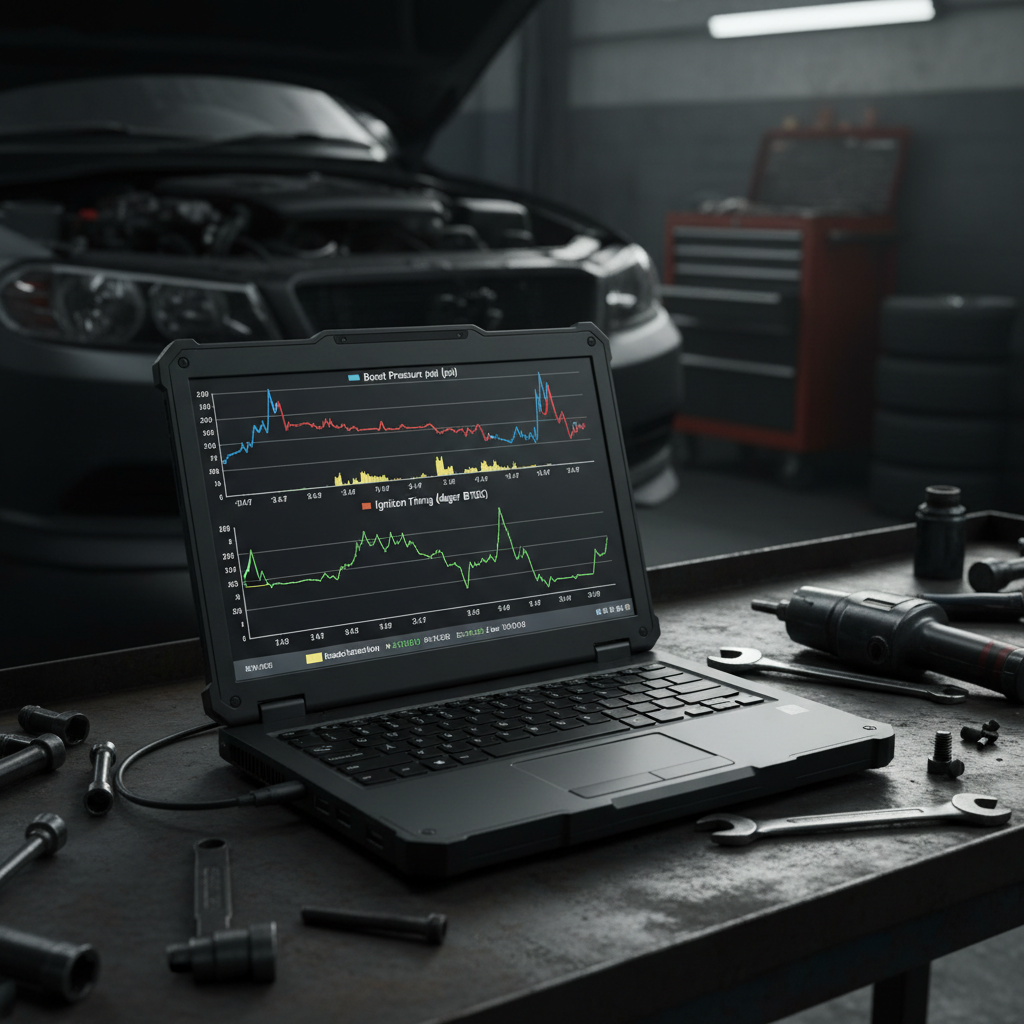
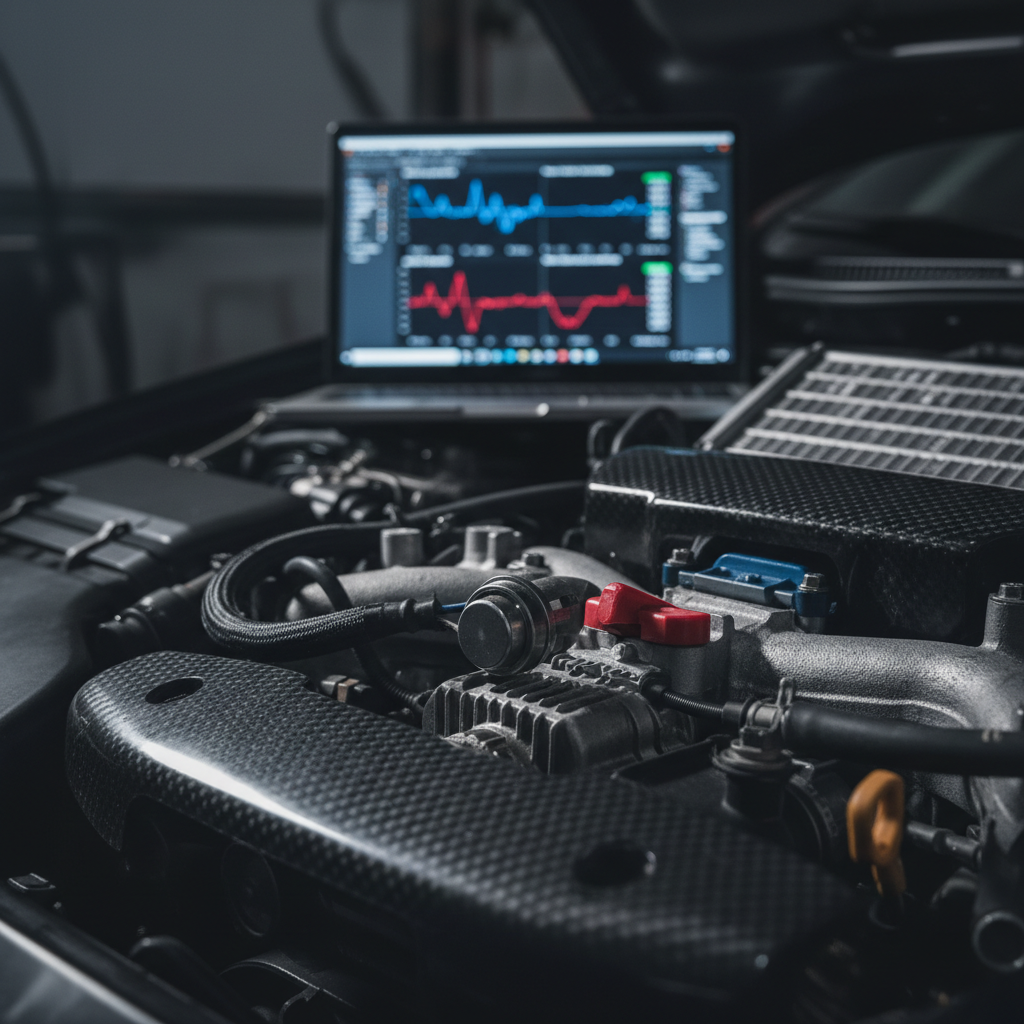
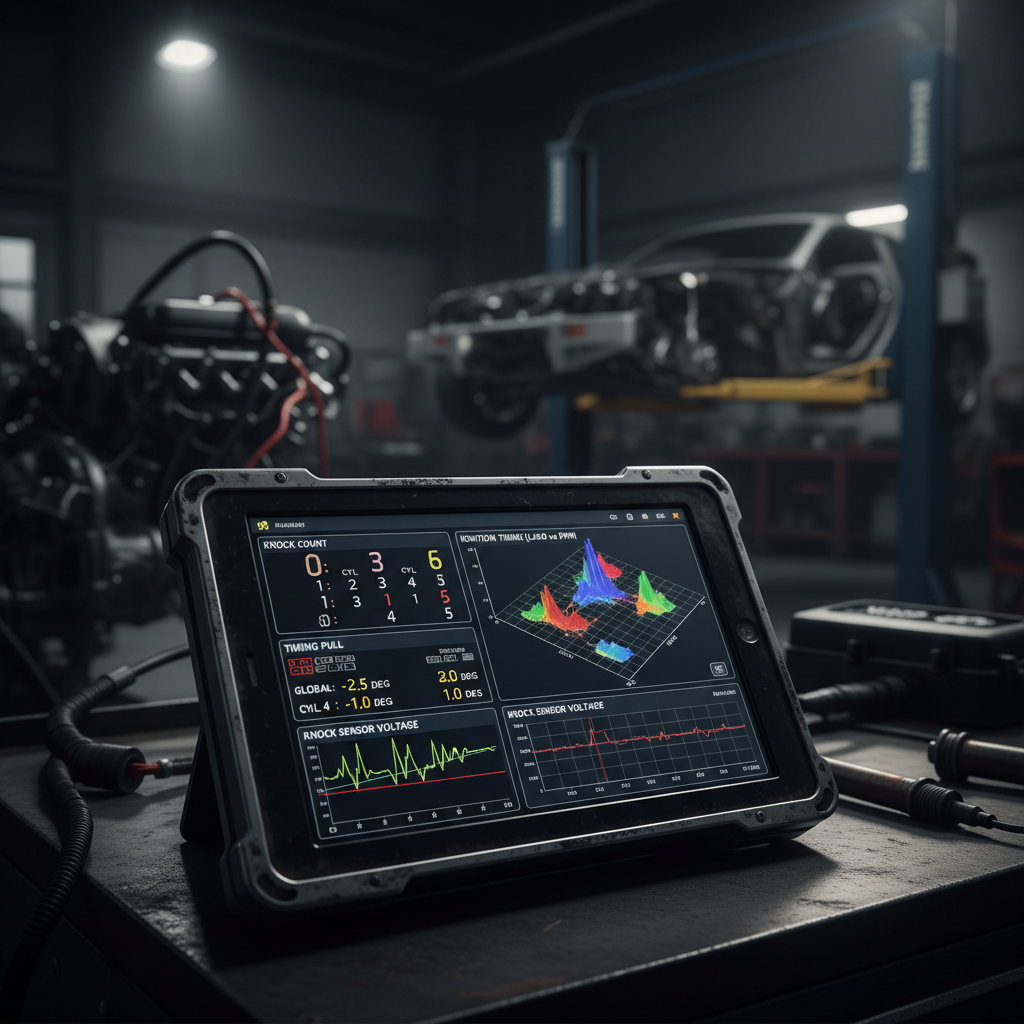
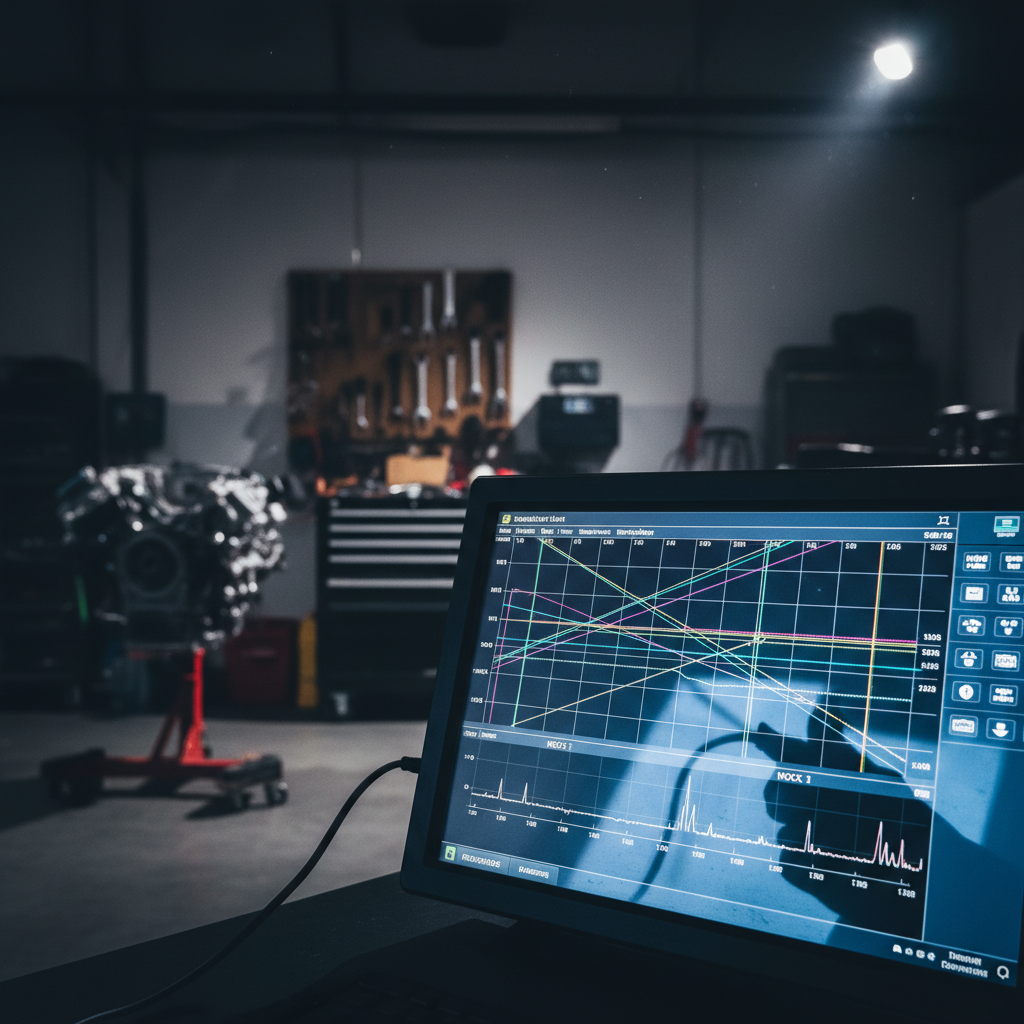
That perfect dyno pull doesn't capture the knock events at 3000rpm or AFR drift during daily driving. Continuous data monitoring reveals what's actually happening to your tune between dyno sessions.
Most tuners push Stage 2 maps immediately after winter storage, ignoring the critical break-in period that prevents false knock readings. Your cold engine isn't ready for aggressive timing until you've logged proper heat cycles.
That 30whp difference between dyno runs isn't about one shop being wrong. Peak power tells you almost nothing about your VQ35DE's actual performance or tune quality.
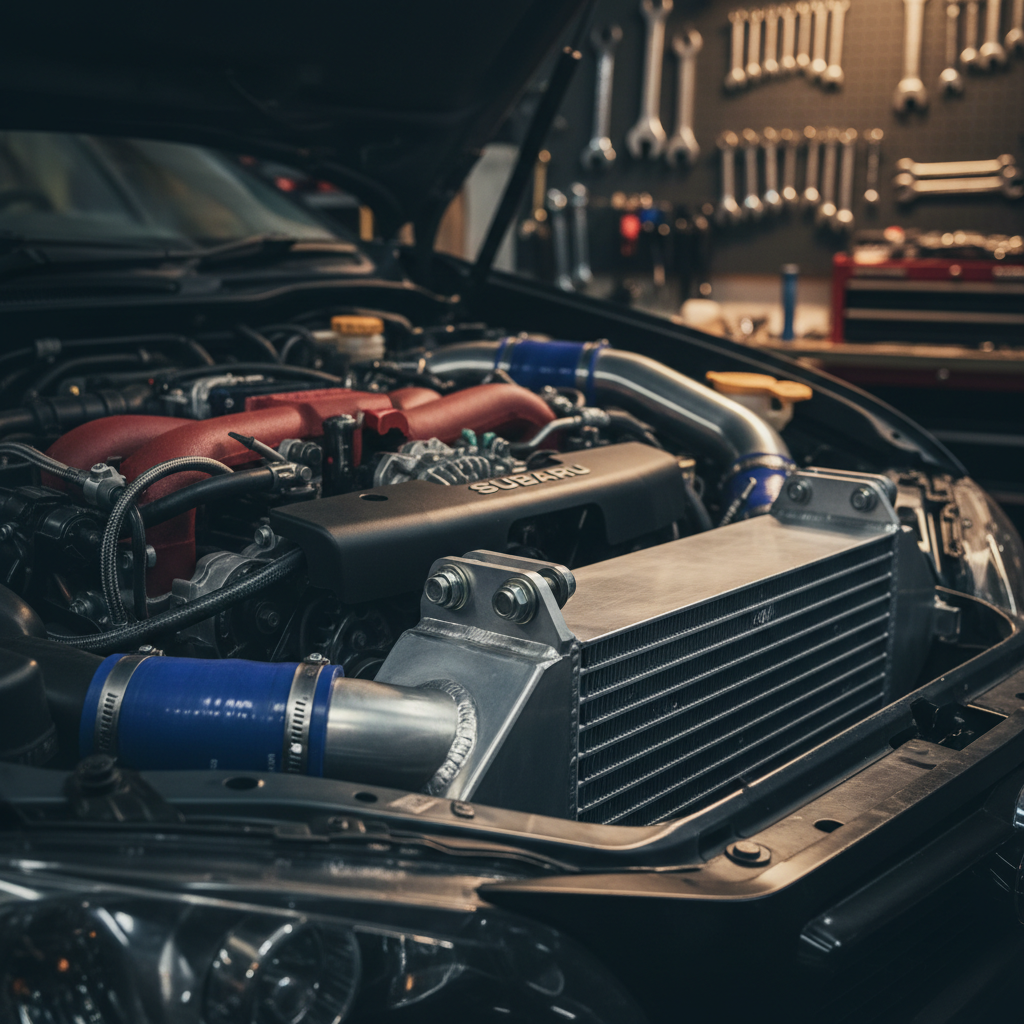
Your new FMIC dropped intake temps by 20°C but now your knock sensors are going crazy on perfect AFRs. The problem isn't fuel or timing, it's vibration frequency changes that confuse your knock detection system.
Your Stage 2 WRX STI is throwing knock counts on premium fuel, but the sensor might be lying to you. False knock detection from mechanical noise looks different in the data than actual detonation.
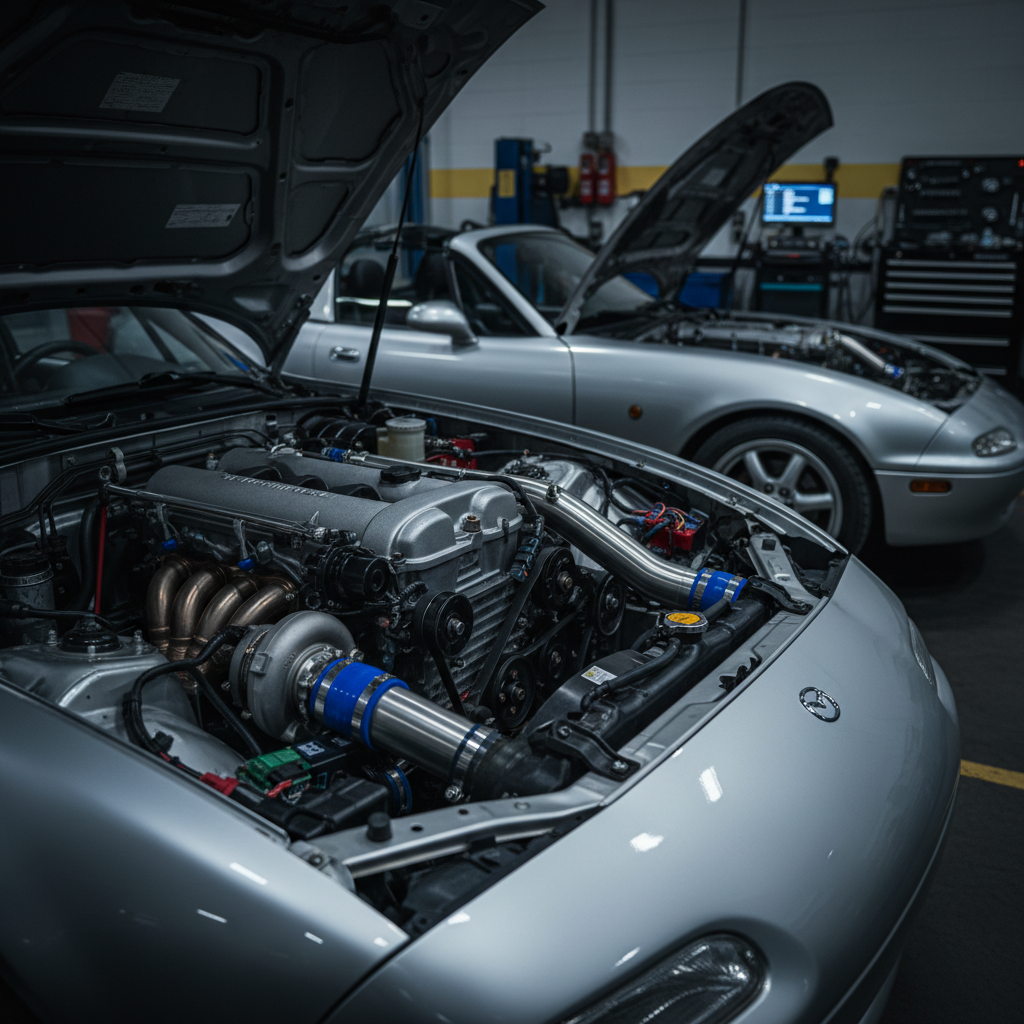
Two identical Miata turbo setups can vary by 50hp despite using the same kit and tune. Factory compression ratios, engine tolerances, and hidden fueling variables create this frustrating power spread.
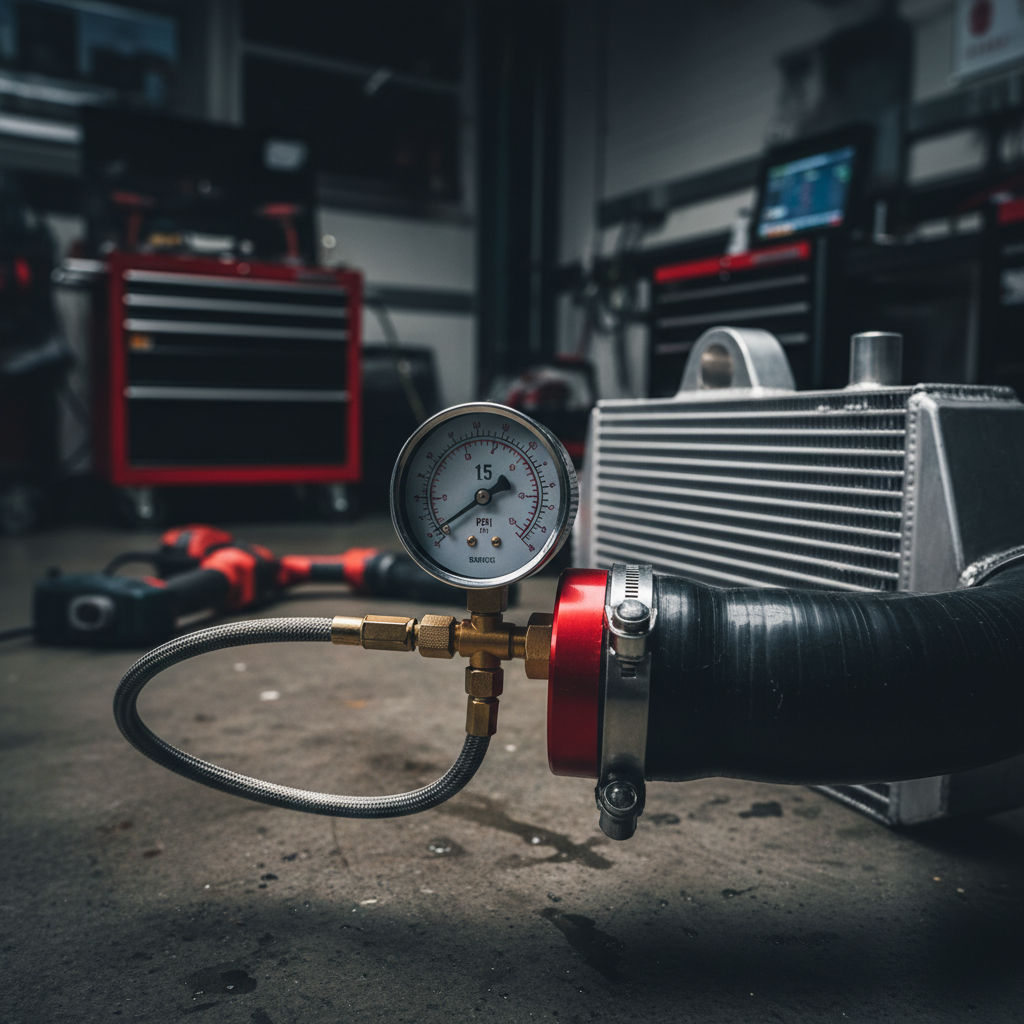
A simple boost leak can cost you 50hp and trigger false knock readings that send your tuning session sideways. Here's the systematic approach professionals use to find every leak before touching the tune.
Your Accessport might show clean knock readings while your ECU quietly logged 47 timing pull events last week. Consumer monitoring tools only show you part of the story, and that gap can cost you power and reliability.
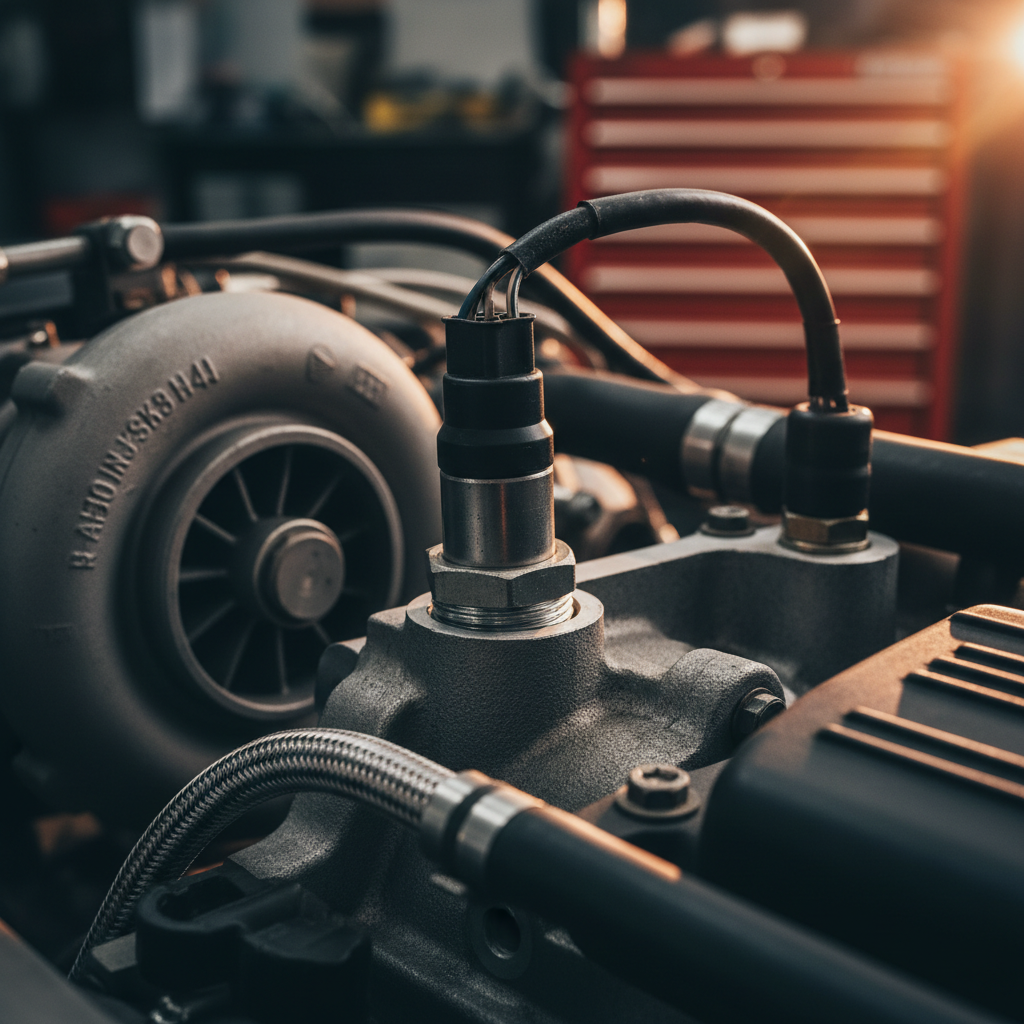
OEM knock sensors detect frequencies between 10-12 kHz that most aftermarket units completely miss. Here's what the actual datalog data reveals about which sensors actually protect your engine.
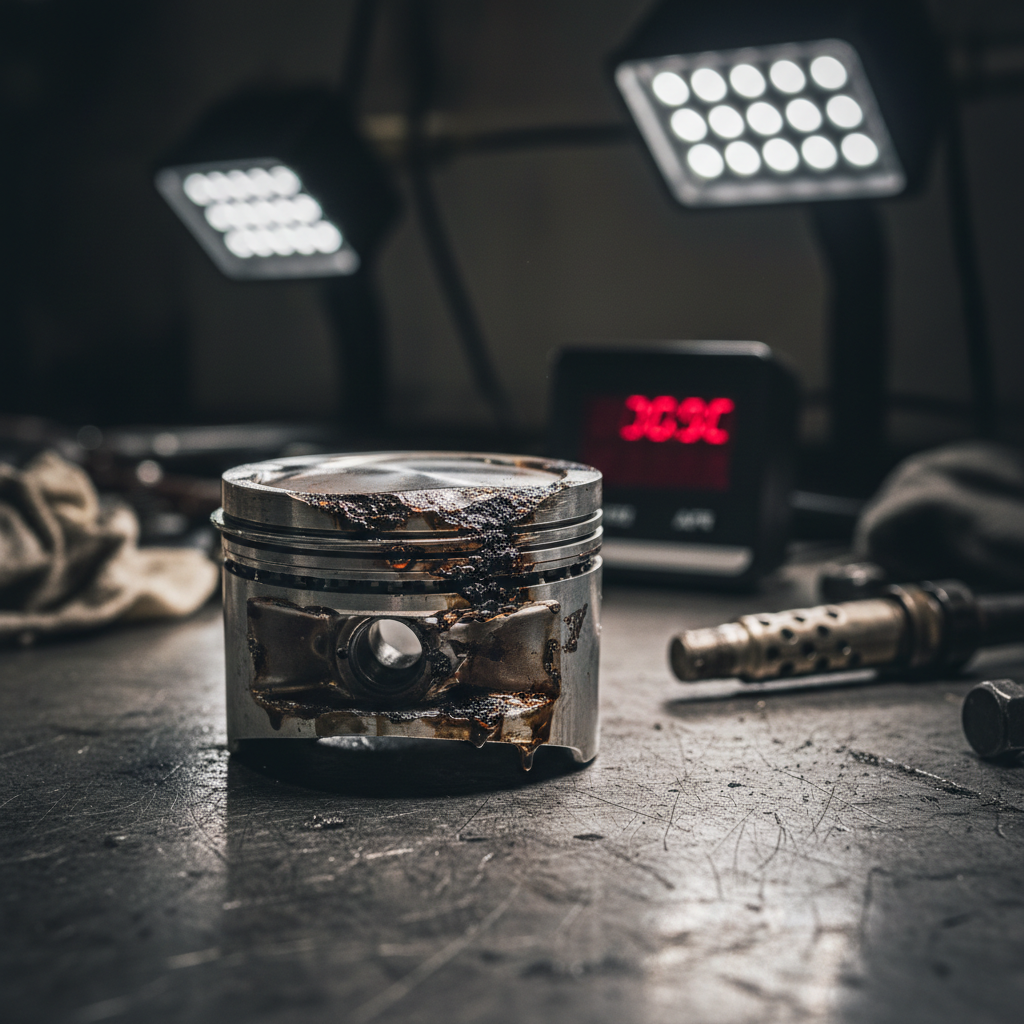
Your knock sensor catches the obvious stuff, but three critical timing patterns only show up in extended datalogging. Missing these patterns is how motors get grenaded on seemingly safe tunes.
Most people blow their spring tuning budget on hardware first, then wonder why their gains are disappointing. The data shows baseline tuning and knock optimization deliver bigger returns than bolt-ons on stock setups.
A $300 tune that destroys your $8,000 engine isn't a bargain. Learn why proper AFR monitoring and knock detection during the tuning process can save your turbocharged build from expensive damage.