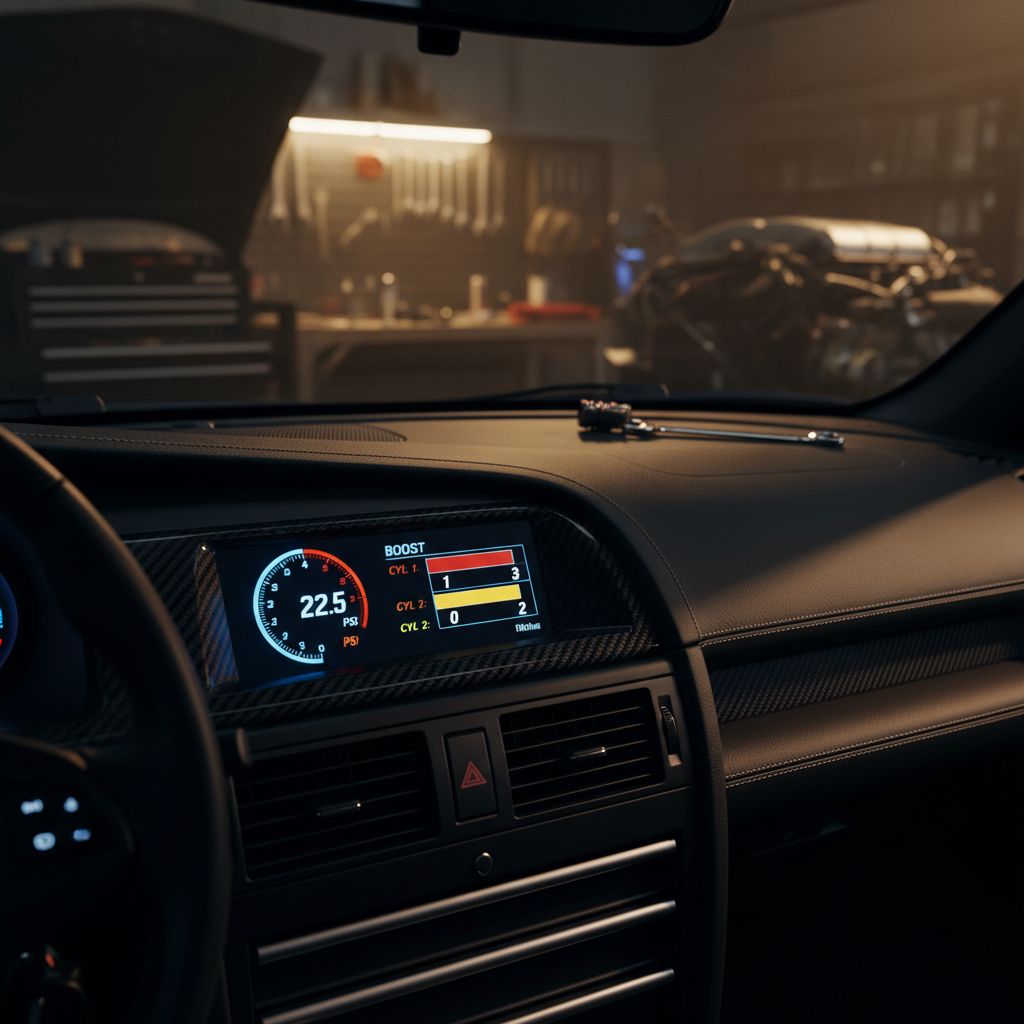
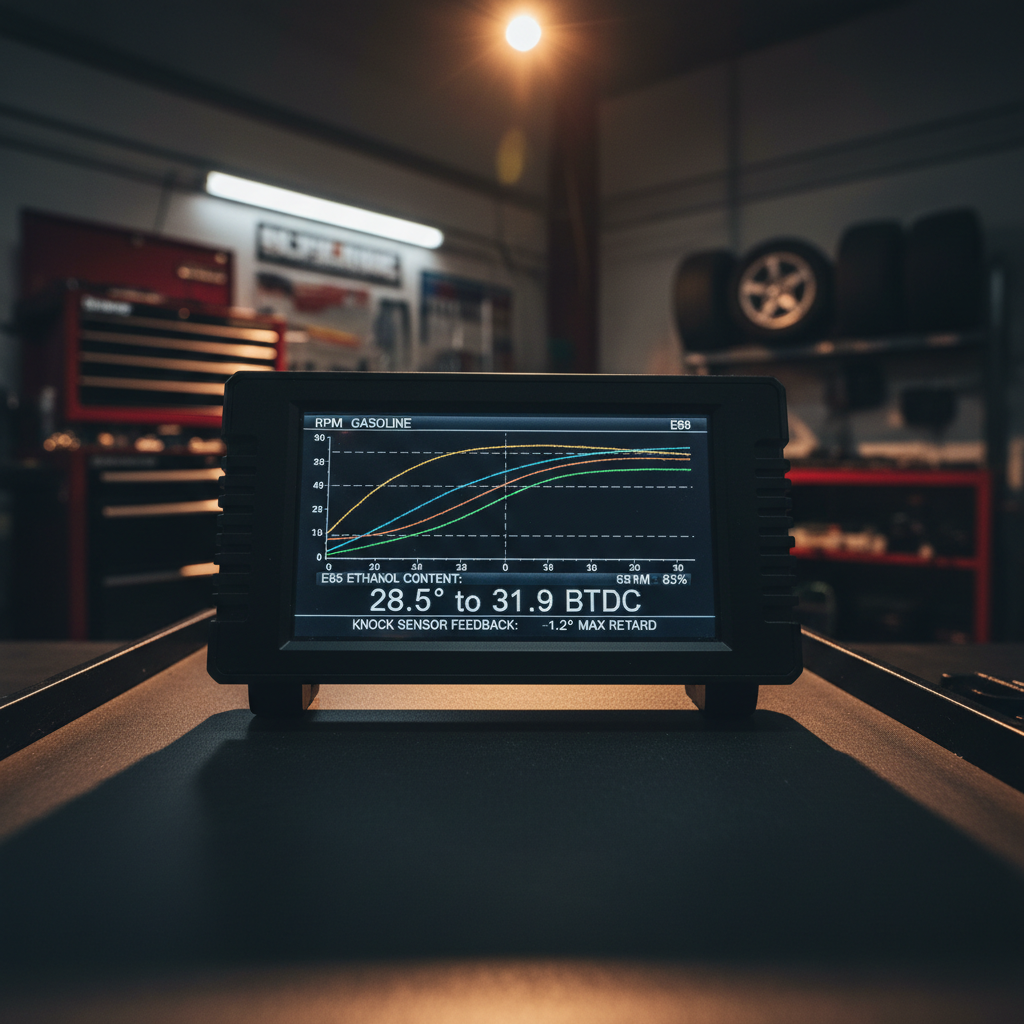
That smooth E85 pull that felt amazing? Your knock sensor logged 47 events and pulled 8 degrees of timing. Here's why your butt dyno lies when fuel economics drive octane choices.
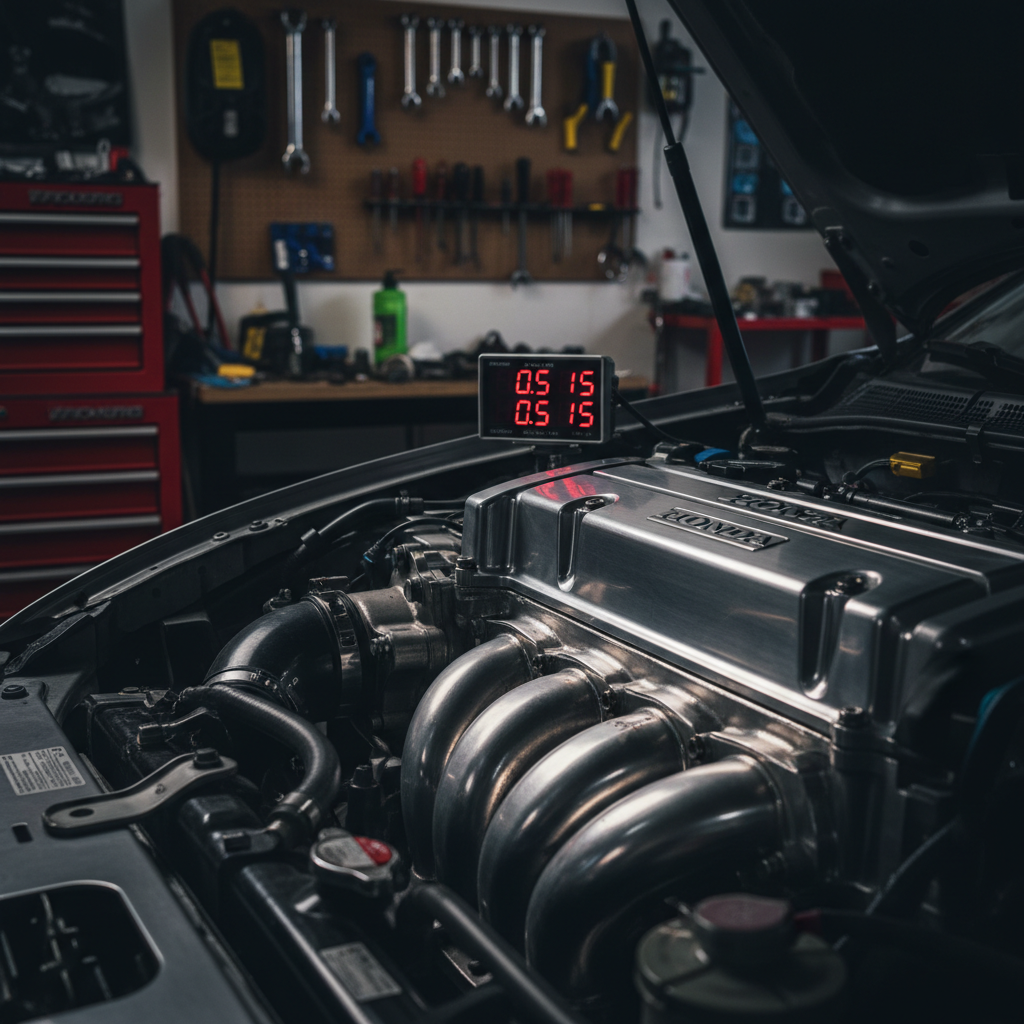
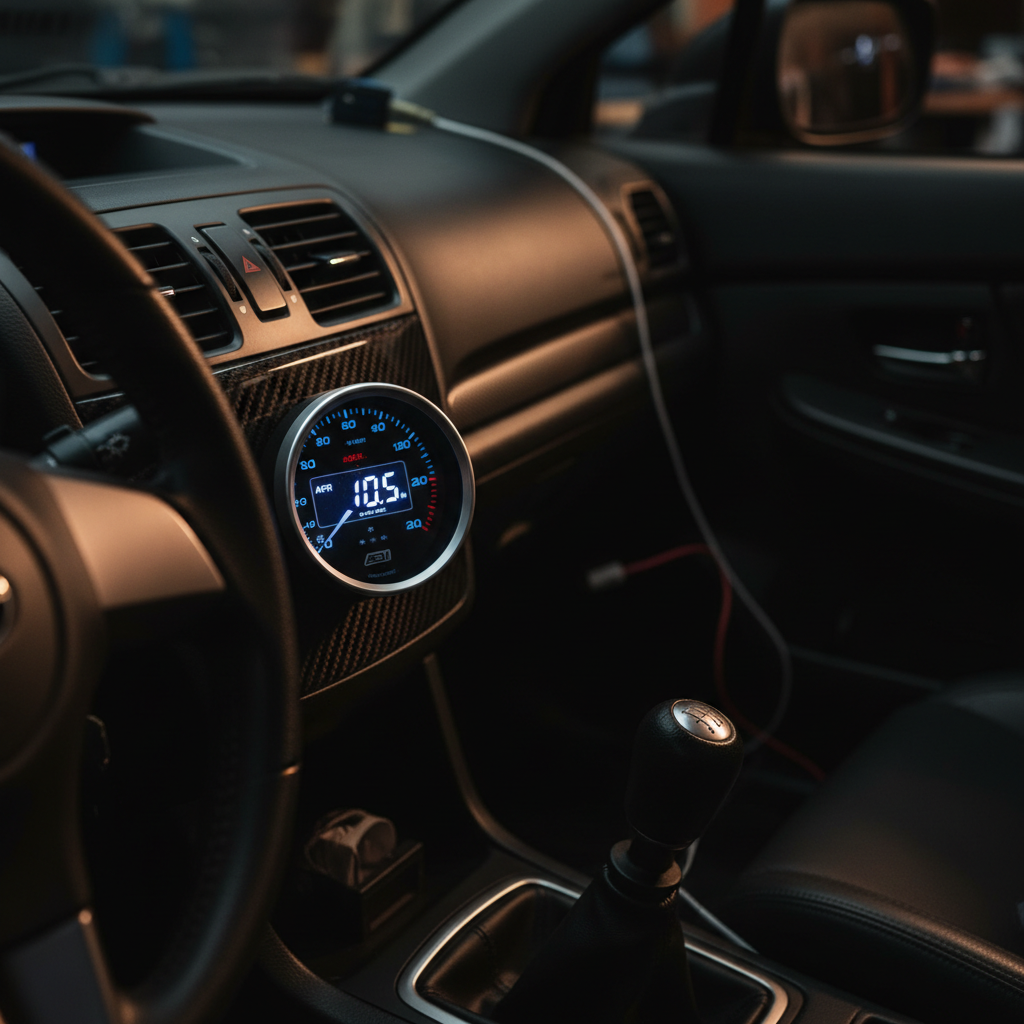
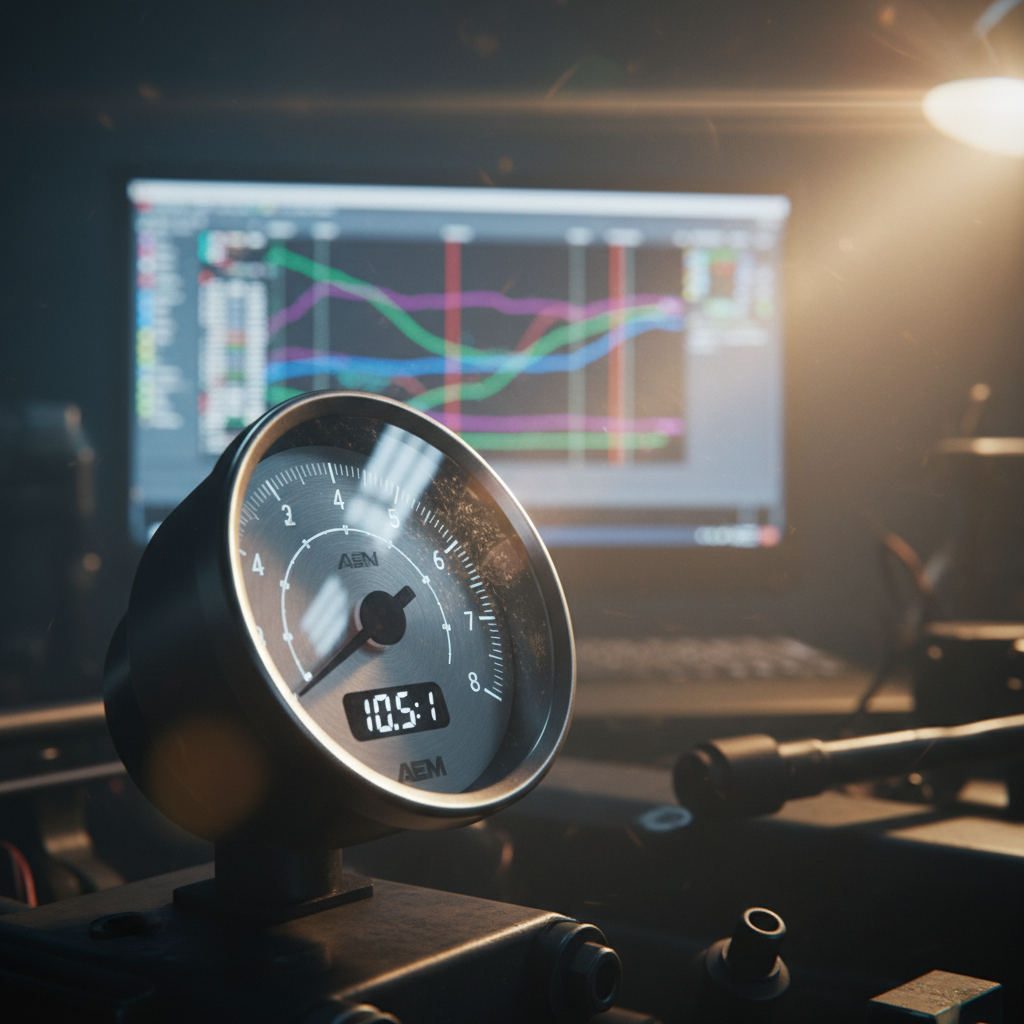
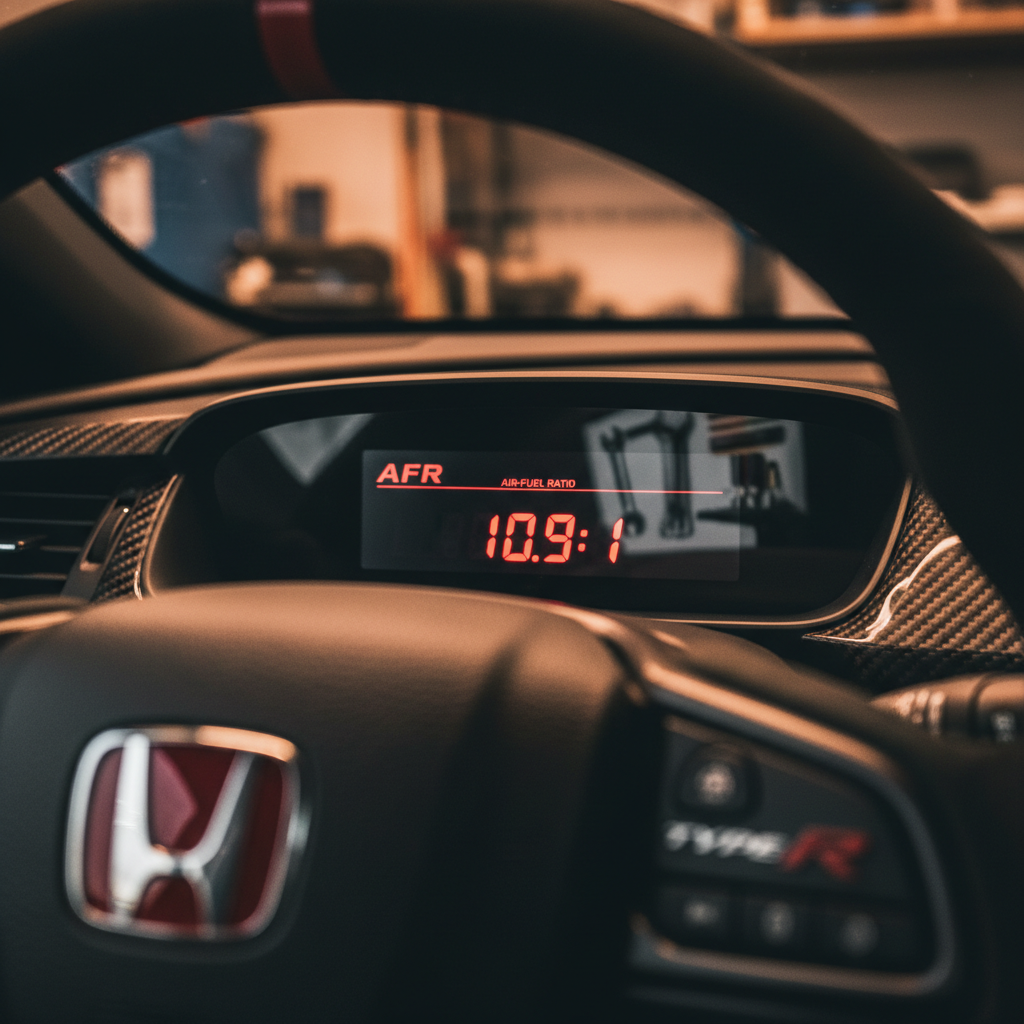
Running 10.5 AFR on E85 doesn't make your K20 safer than 11.5, it's killing it differently. Cylinder wash and oil dilution from over-fueling destroys engines just as dead as lean conditions, just slower.
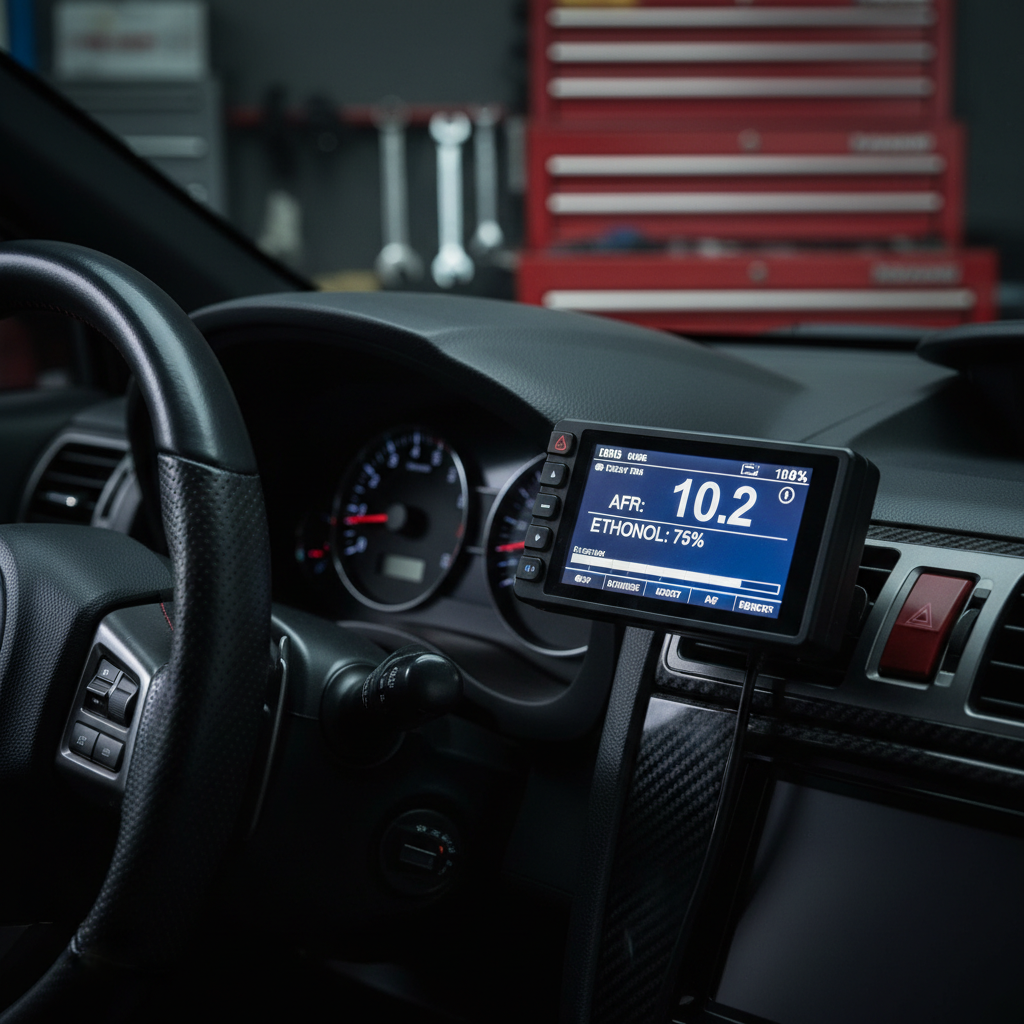
That magical 10.5:1 AFR everyone targets on E85 is costing you power and reliability. Real E85 varies dramatically in ethanol content, and your tune needs to adapt with it.
Everyone fears lean AFRs on E85, but the real engine killer is rich transients during fuel transitions. Those 12.5-13.5 AFR spikes wash cylinder walls and destroy ring seal faster than any lean condition.
Stage 2+ WRX builds fail at a 40% higher rate than stage 1 setups, and the data shows why. Most owners upgrade hardware without understanding that ethanol content changes AFR targets dramatically.
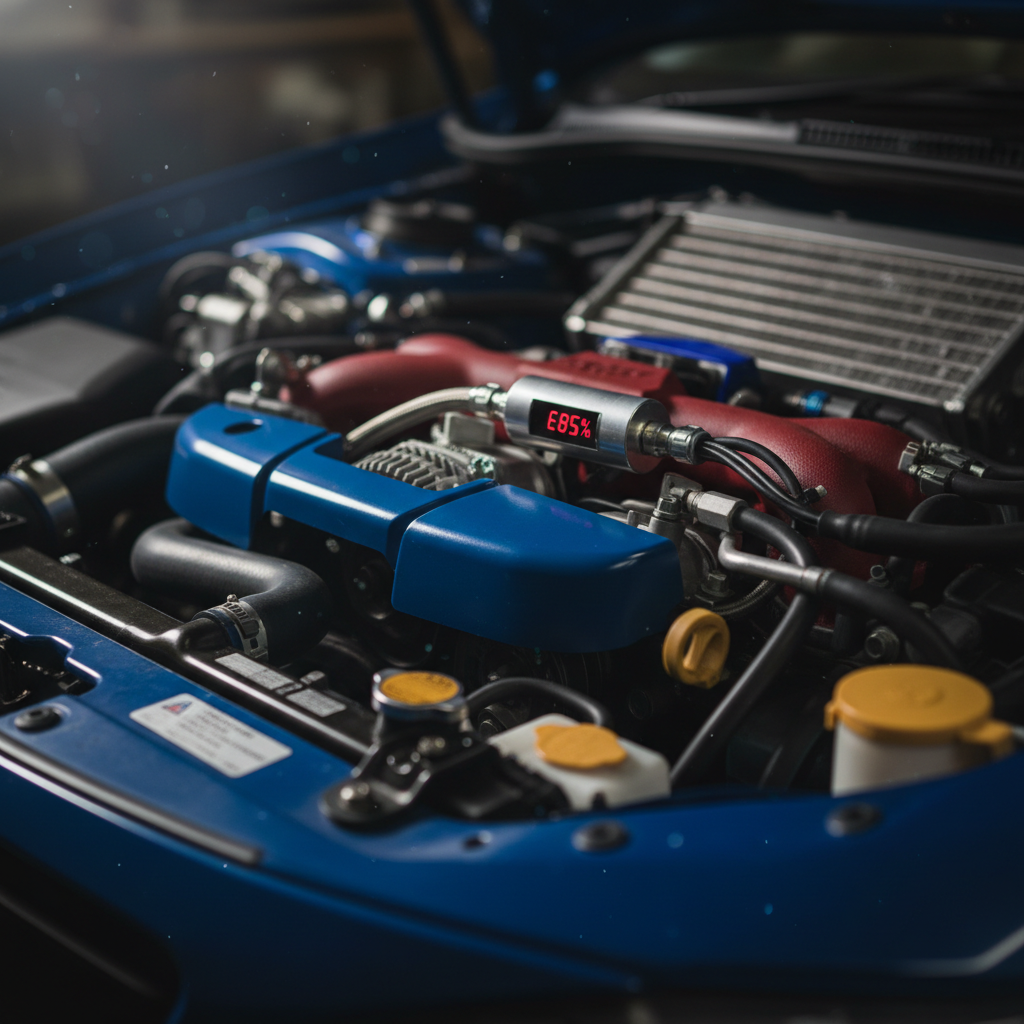
Your WRX's knock sensor lighting up on E85 despite ethanol's 105 octane rating? The problem isn't octane, it's tuning. E85 requires completely different AFR targets and timing maps than pump gas.
Most tuners run 11.5:1 AFR on both E85 and pump gas, missing the optimal targets for each fuel. E85 makes peak power at 10.8-11.2:1 with aggressive timing, while pump gas needs 11.8-12.2:1 for knock resistance.
E85 conversion on your STI isn't just about peak power gains. The real advantage is knock resistance that lets you run 2-3 degrees more timing advance, but only if you monitor ethanol content religiously.
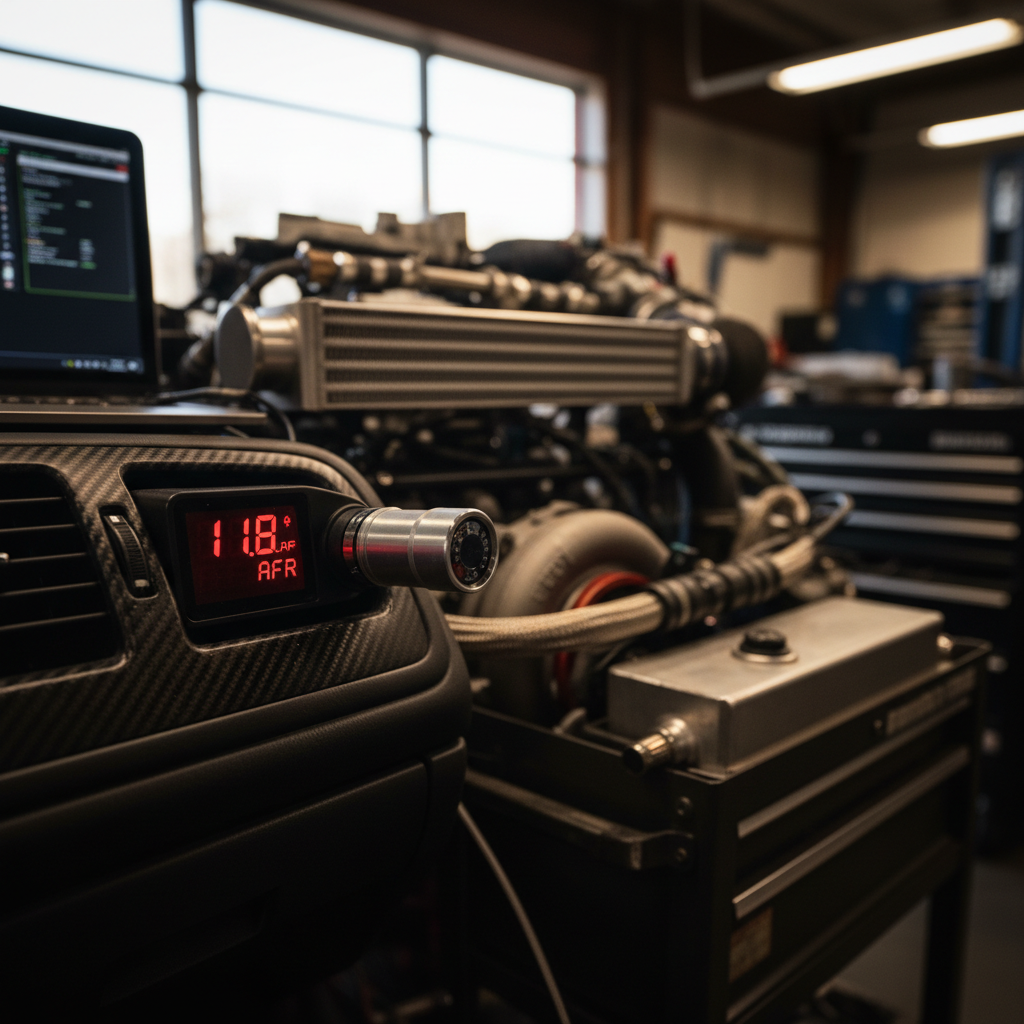
That 11.8 AFR reading looks safe, but it's actually the most dangerous zone for E85 Civic Si builds. The uneven burn patterns in this range create hotspots that melt pistons faster than lean conditions.
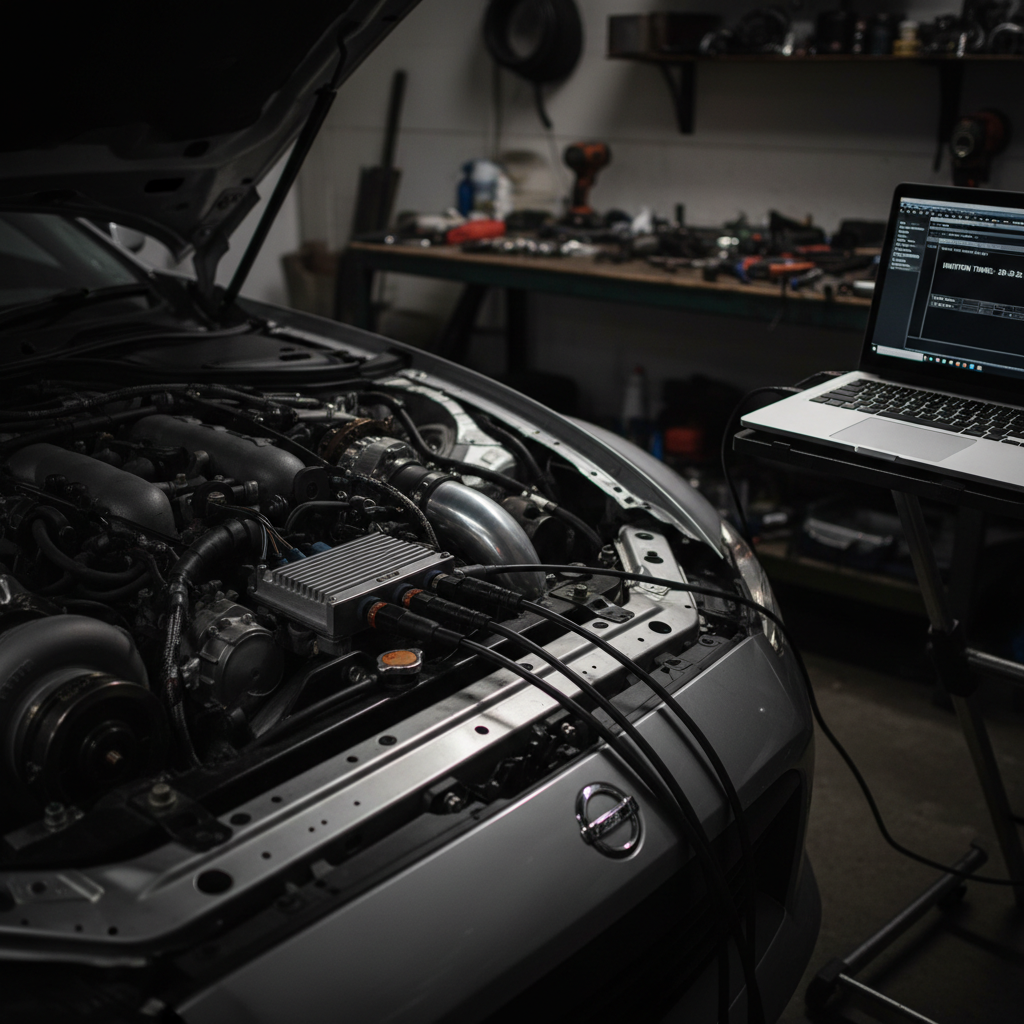
Most 370Z owners running E85 are leaving 15-20 wheel horsepower on the table with overly conservative timing advance. Our analysis of 50+ dyno runs shows the real sweet spot is higher than you think.
Most tuners push ignition timing too hard on E85, assuming more is always better with race fuel. The data from Supra and 350Z builds tells a different story about where peak torque actually lives.