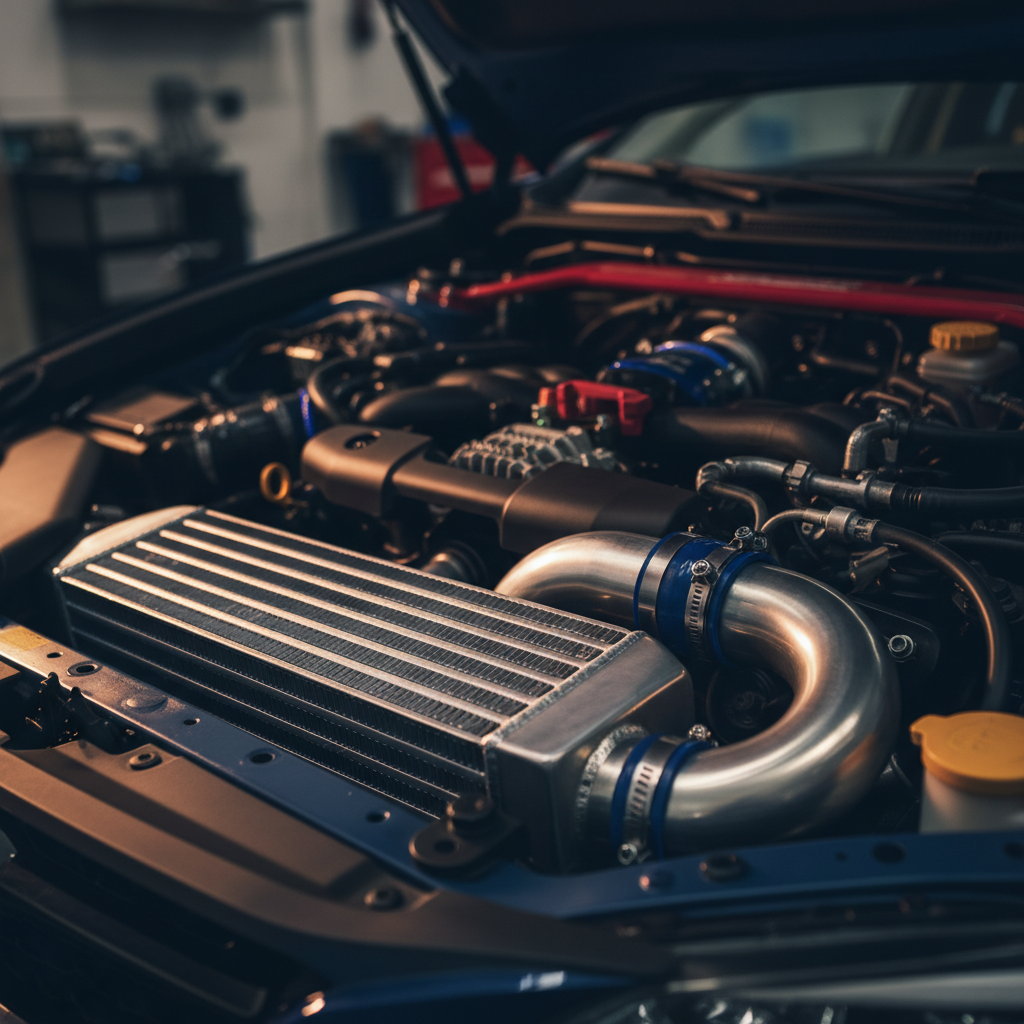
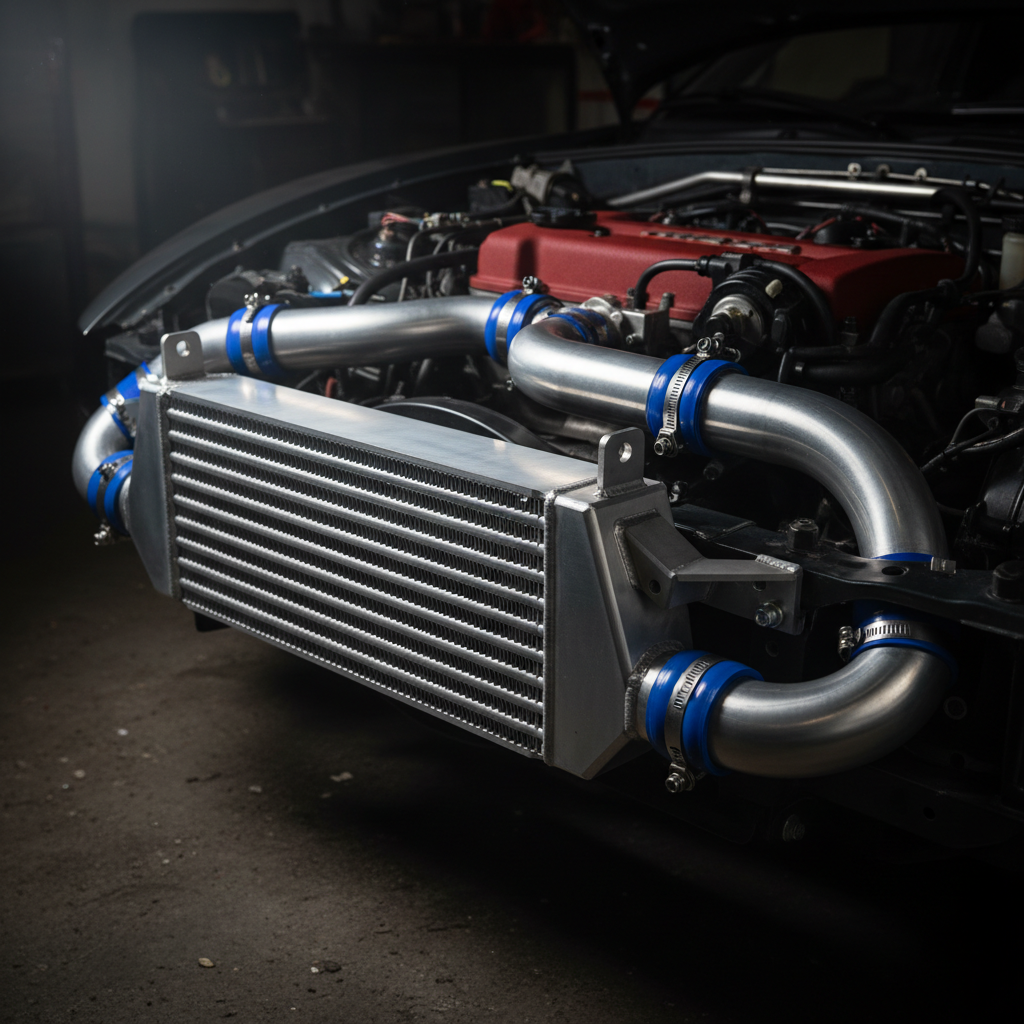
Your new front mount intercooler might be costing you 15-20 whp. The pressure drop characteristics changed, but your ECU is still mapping for the stock system.
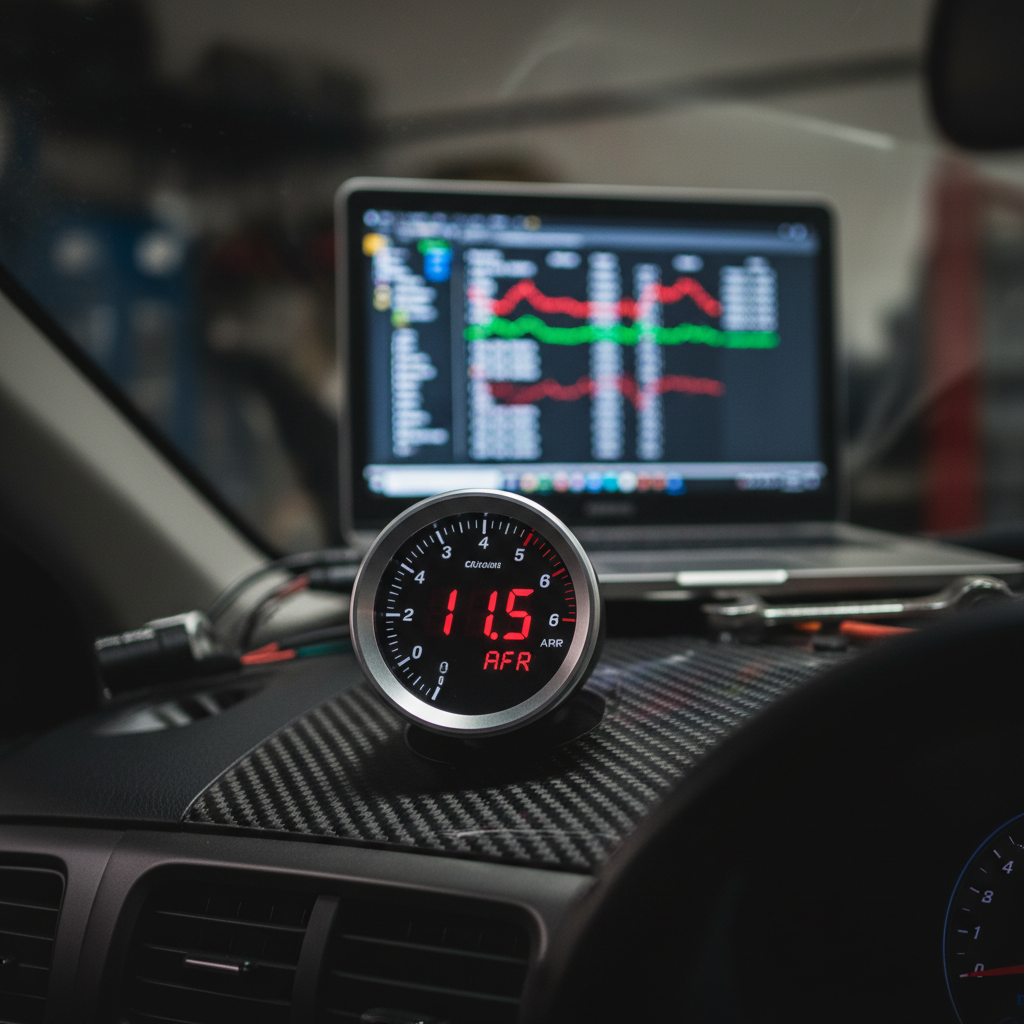
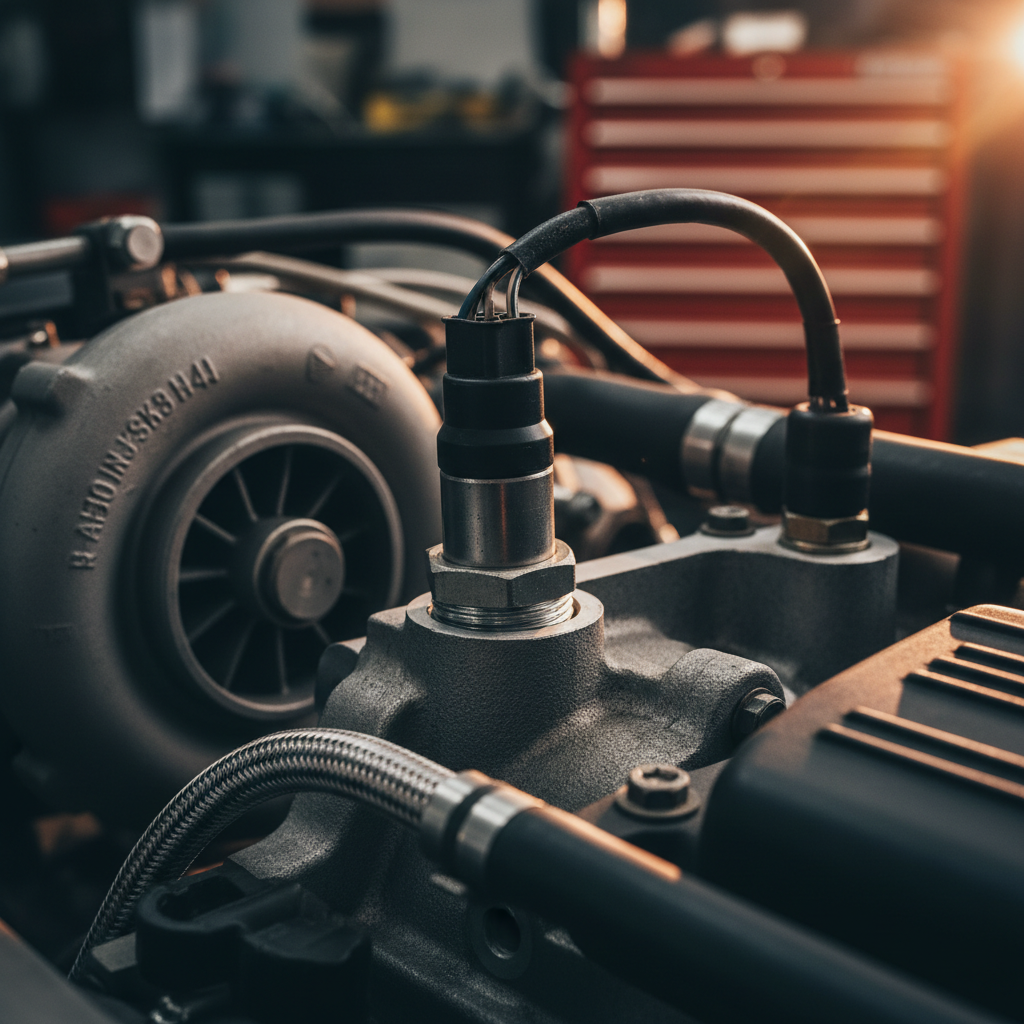
Stage 2 WRX STI builds often show AFR differences between wideband gauges and ECU logs, with readings varying by 1-2 points. The discrepancy comes down to sensor placement, calibration drift, and response timing, not faulty hardware.
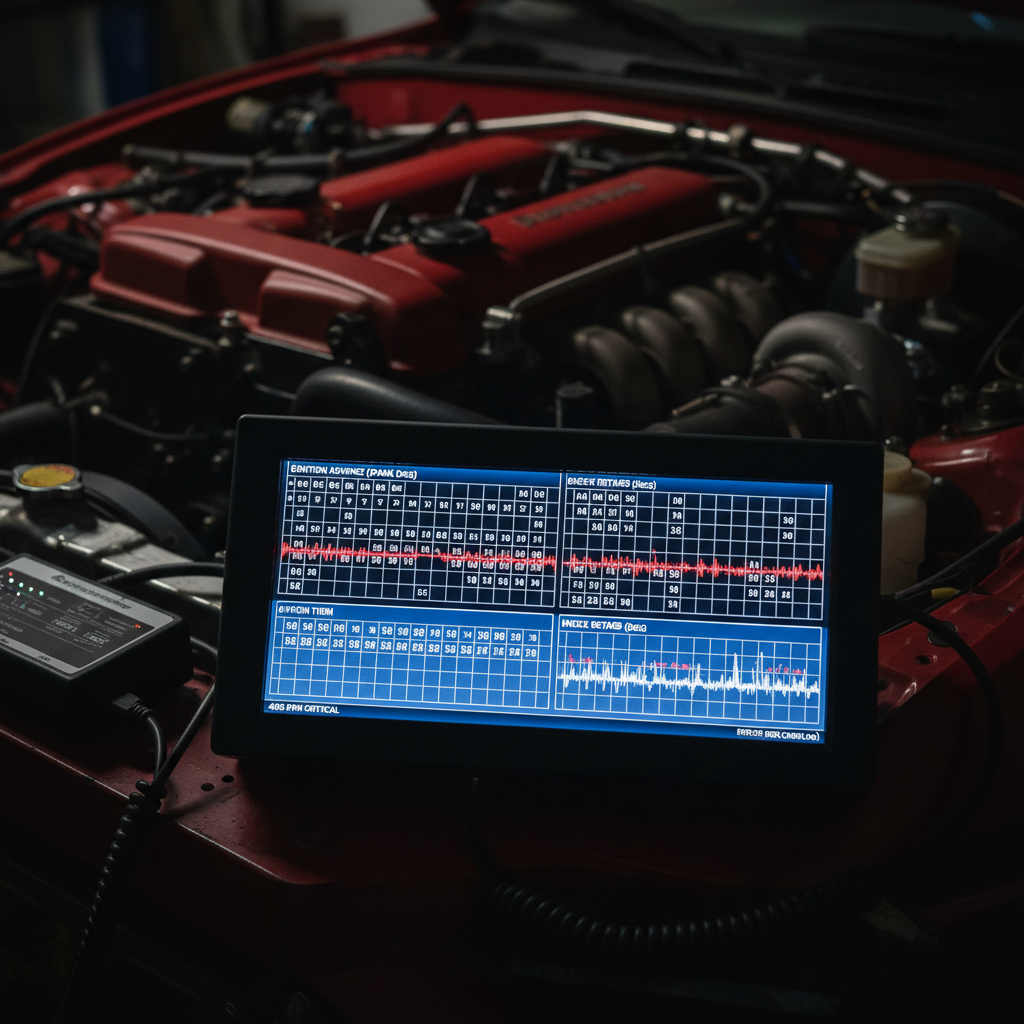
Your knock sensor catches the obvious stuff, but three critical timing patterns only show up in extended datalogging. Missing these patterns is how motors get grenaded on seemingly safe tunes.
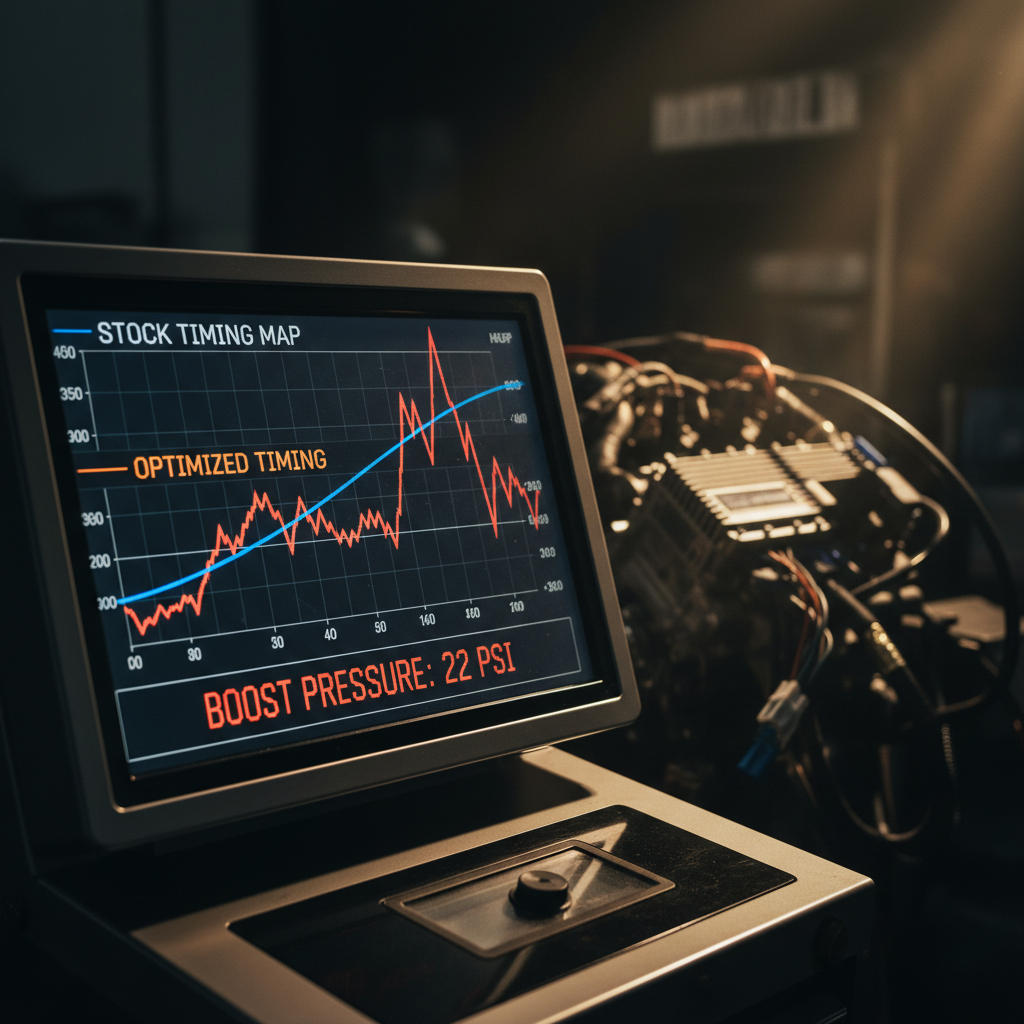
Stock boost controllers hit 22 PSI perfectly but leave 40+ horsepower on the table through conservative ignition timing maps. Recent dyno comparisons between Civic Type R and Golf R reveal the real bottleneck isn't hardware.
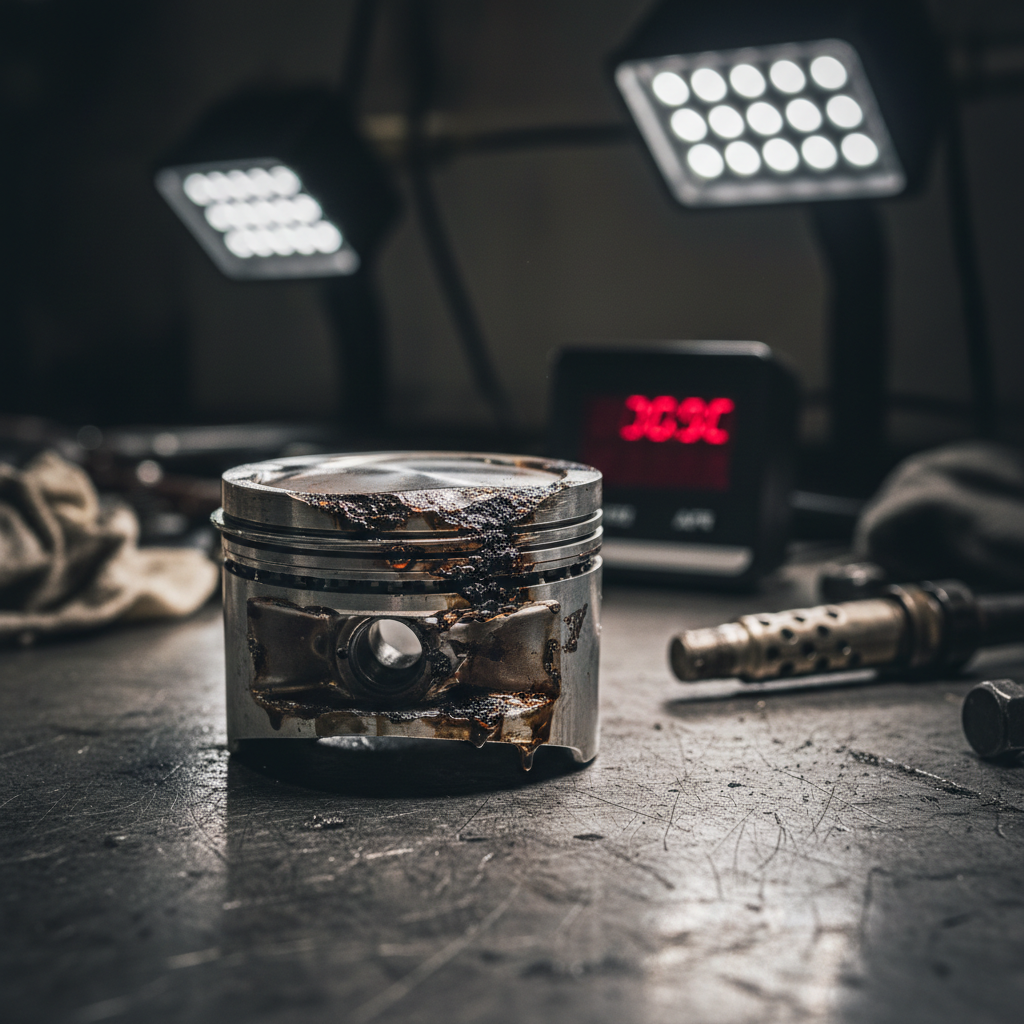
A $300 tune that destroys your $8,000 engine isn't a bargain. Learn why proper AFR monitoring and knock detection during the tuning process can save your turbocharged build from expensive damage.
Most swappers focus on power gains while ignoring weight distribution. A 50kg difference between engines creates cascading effects on suspension geometry, brake bias, and ECU calibration that show up in your datalogs.
A bigger intercooler should mean more power, but Miata owners regularly see 10-15whp losses after upgrades on stock tunes. The culprit is timing retard triggered by MAP sensor readings the ECU wasn't calibrated for.
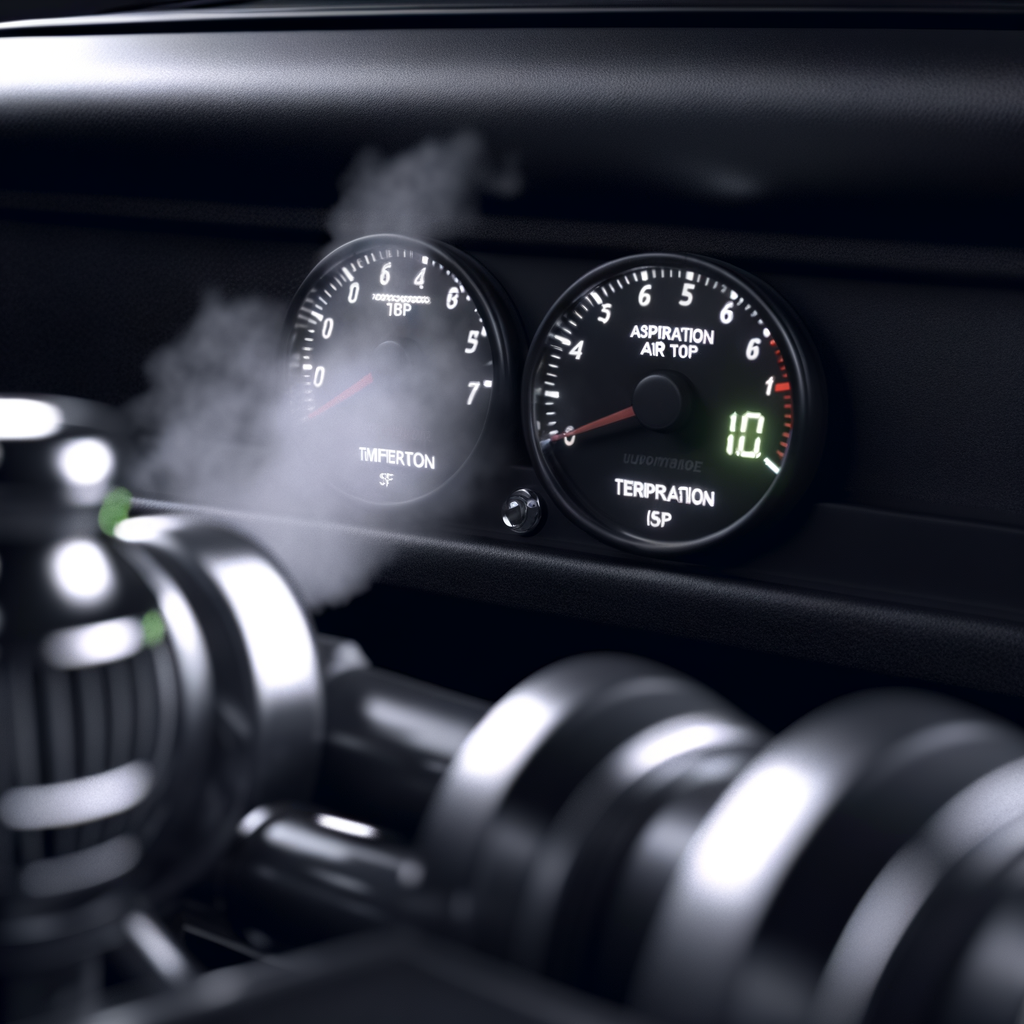
That Stage 2 tune with 'conservative' 11.5 AFR targets? It's murdering EJ257s across the country because tuners ignore intake temperature compensation. Here's why your safe ratio becomes lean death when IATs climb.
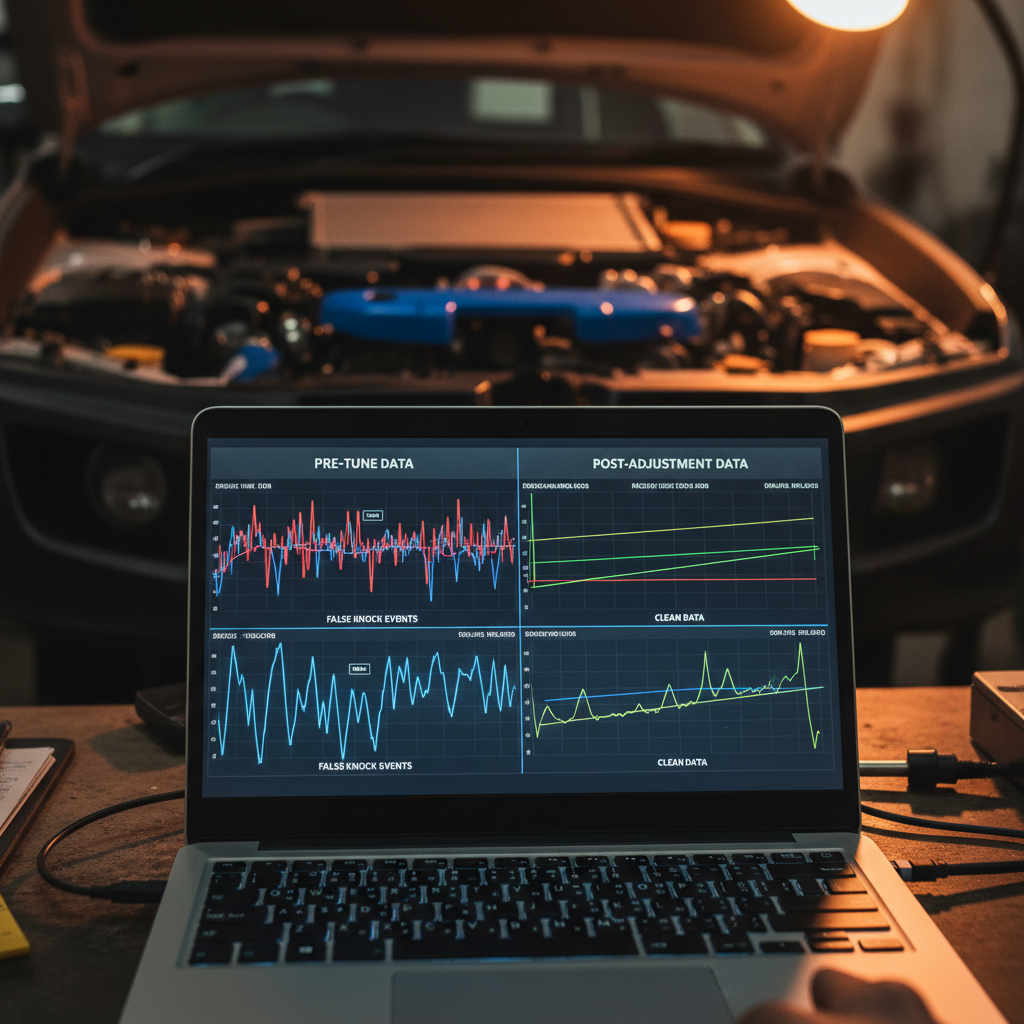
That post-tune knock you're seeing might not be knock at all — most low-RPM events are just injector noise triggering oversensitive ECU parameters. Here's how to separate real knock from false positives using actual sensor data.