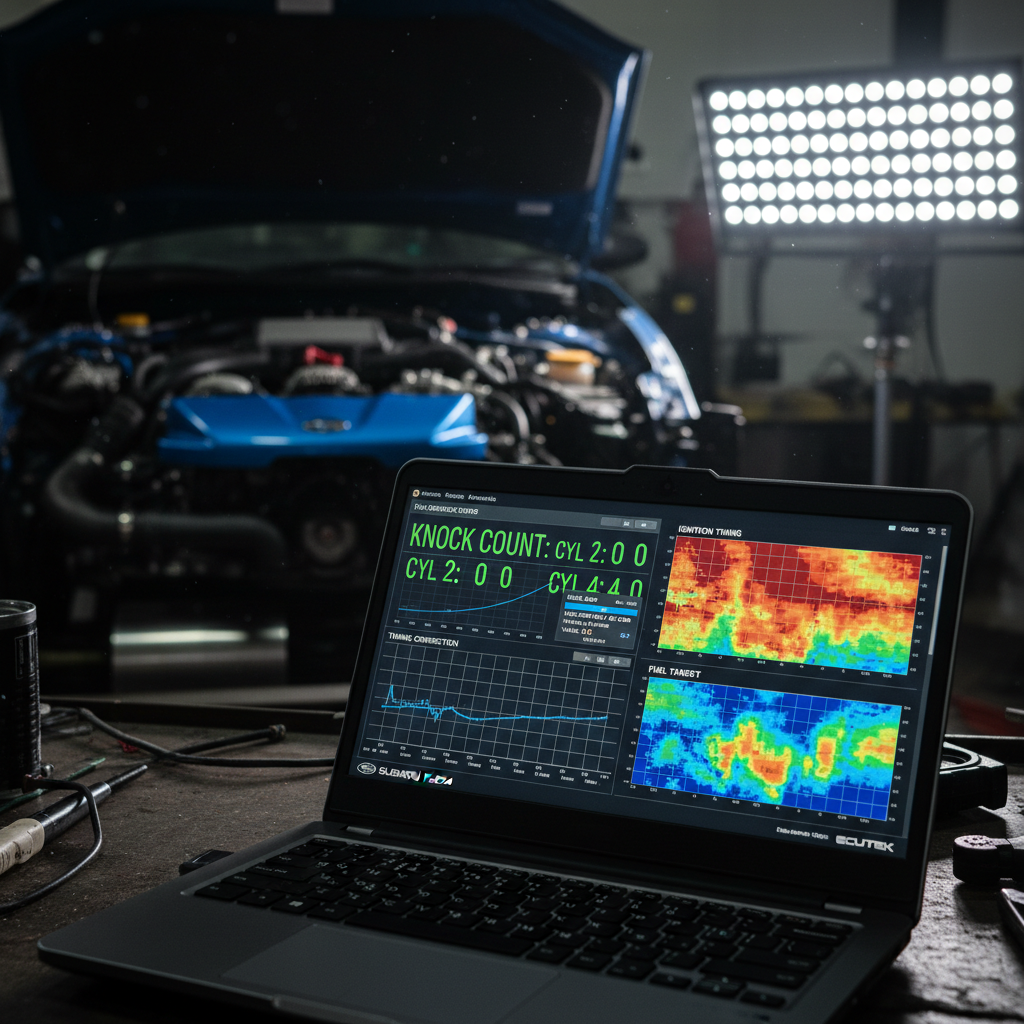
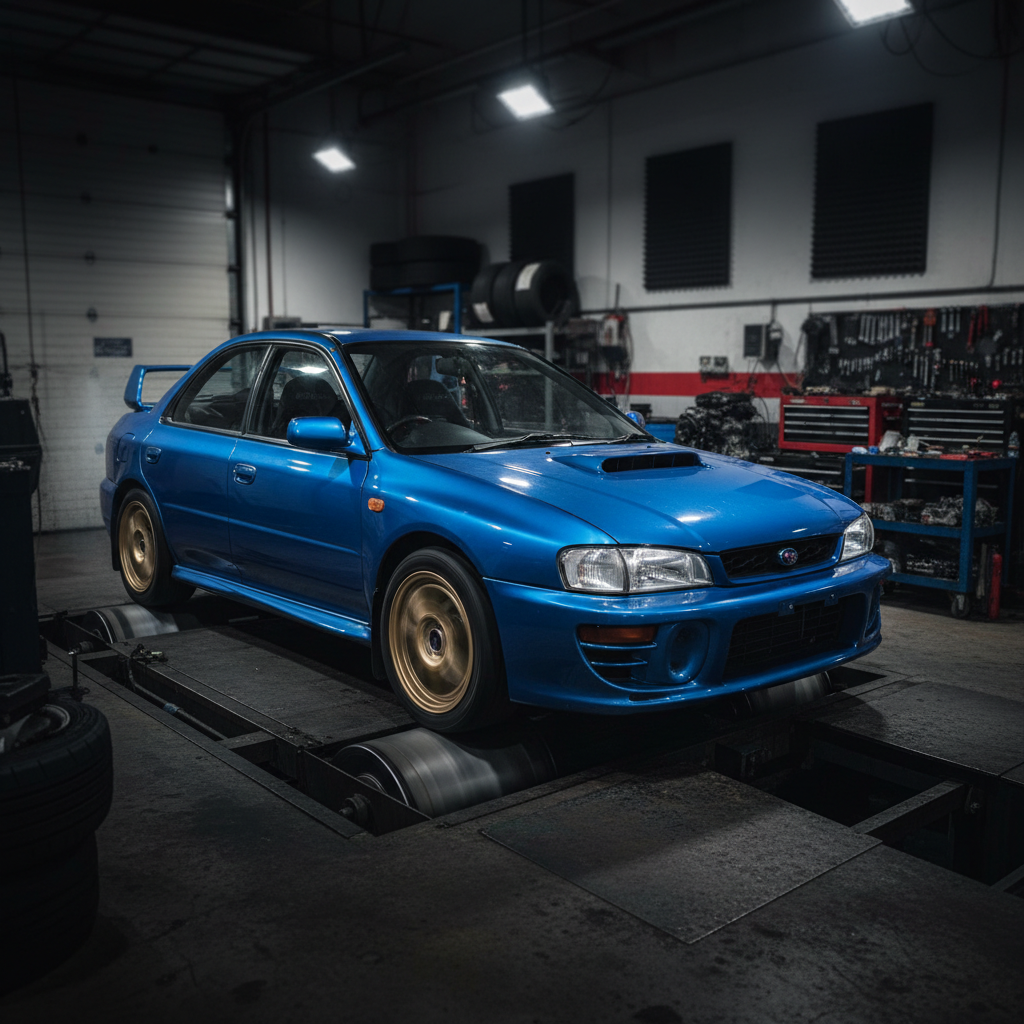
The FA24's direct injection system changes everything about knock detection compared to EJ engines. Most tuners still use EJ strategies, leaving power on the table.
Your stock GTI ECU is designed to protect Volkswagen's warranty, not unlock your car's potential. Conservative timing maps and overly sensitive knock detection can cost you 80-100hp even with full bolt-ons.
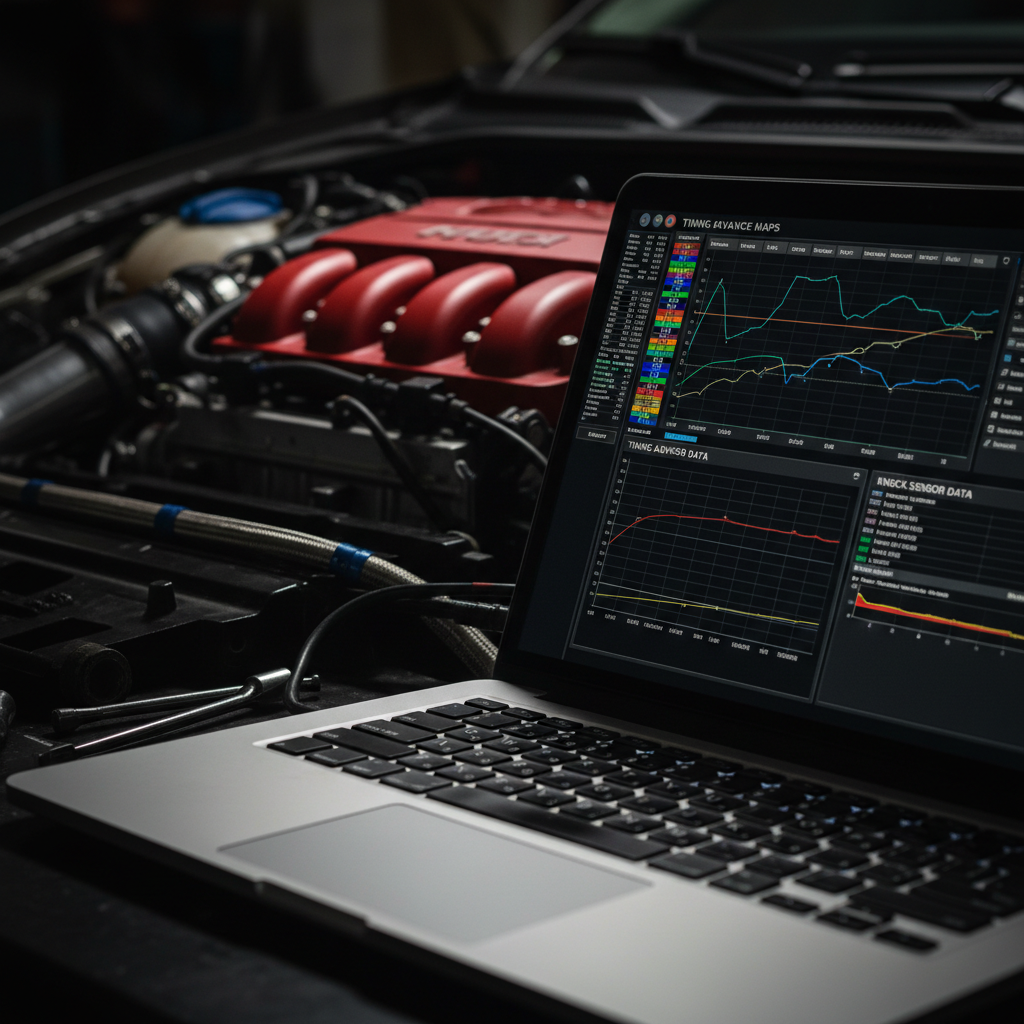
Most tuners think more timing advance equals more power, but the data tells a different story. We analyzed timing vs torque curves from hundreds of dyno sessions to find what actually makes power.
Most Stage 2 failures aren't caused by faulty hardware — they're caused by ignition timing maps that ignore your engine's individual knock threshold. The data tells the real story.
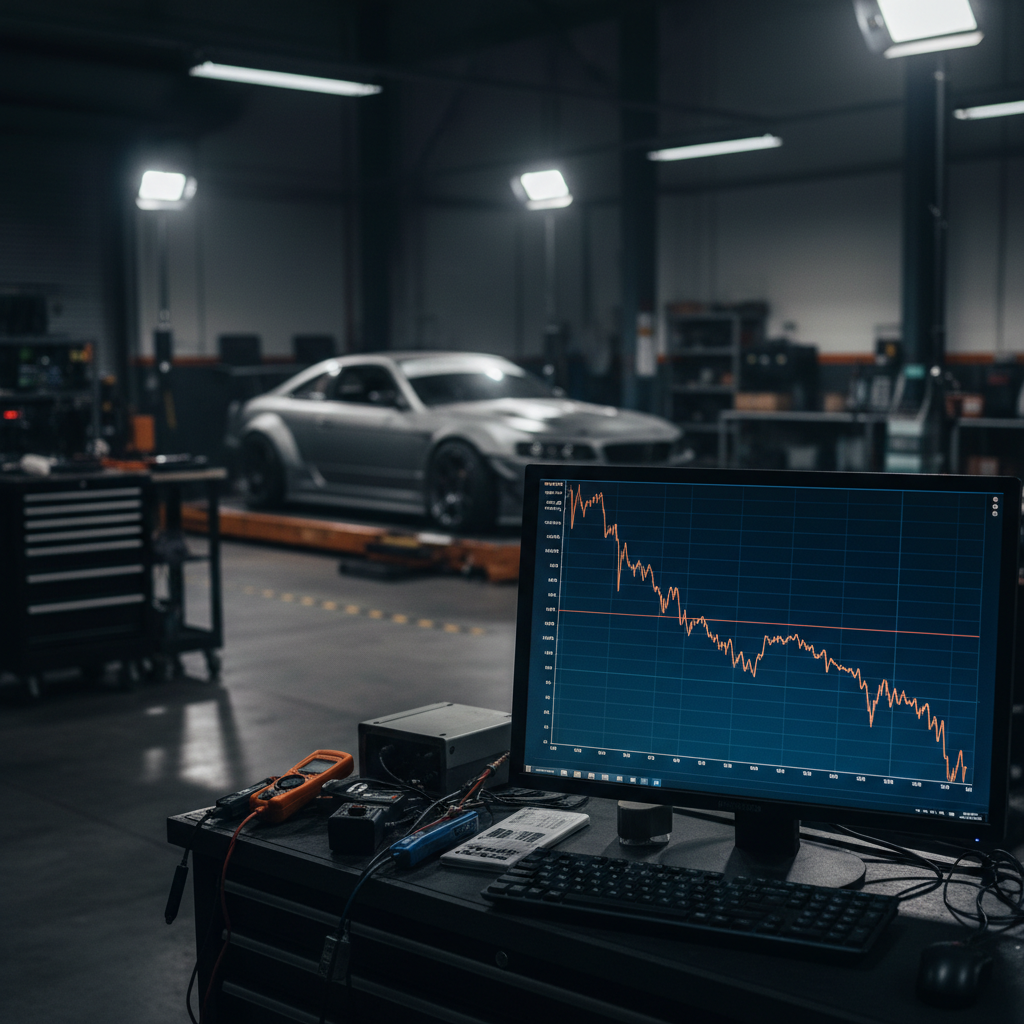
Your dyno sheet's peak horsepower number is marketing. The curves showing boost consistency, AFR stability, and knock behavior throughout the rev range tell you if your tune will actually perform when you need it.
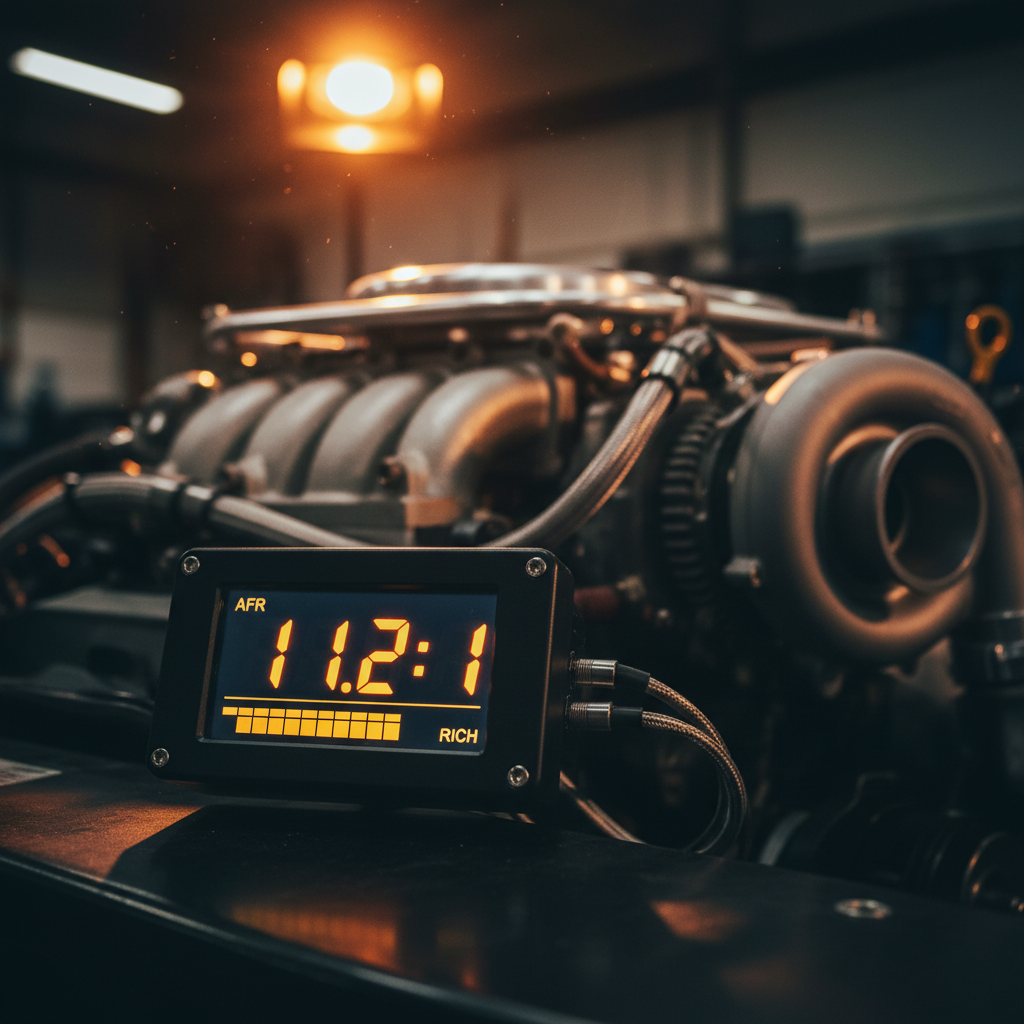
That universal 11.5:1 AFR target everyone quotes isn't universal at all - it's a recipe for blown motors. Professional tuners adjust AFR based on boost pressure, fuel octane, timing advance, and knock threshold to find the sweet spot between power and safety.
A customer's expensive intake upgrade just cost them 15 horsepower — and the dyno data tells the whole story. Here's what really happens when 'performance' mods create more problems than power.
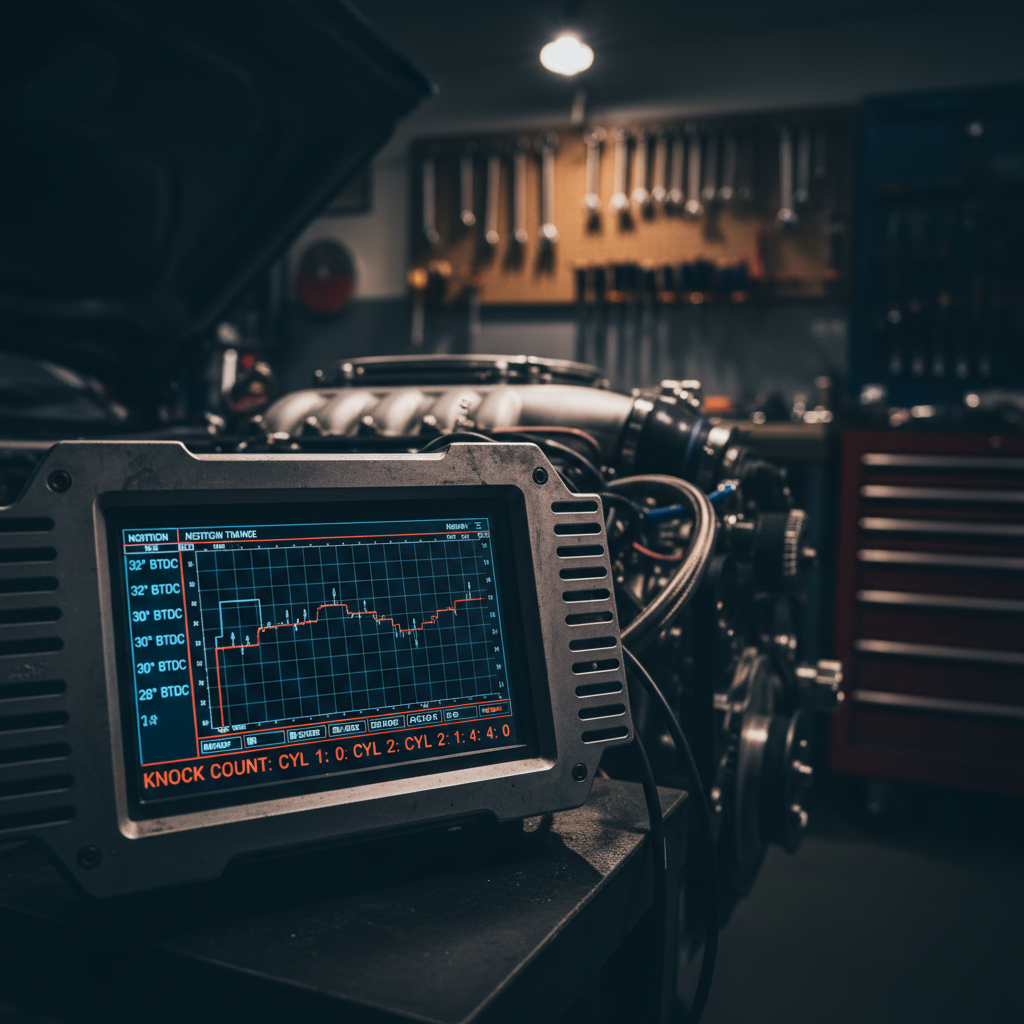
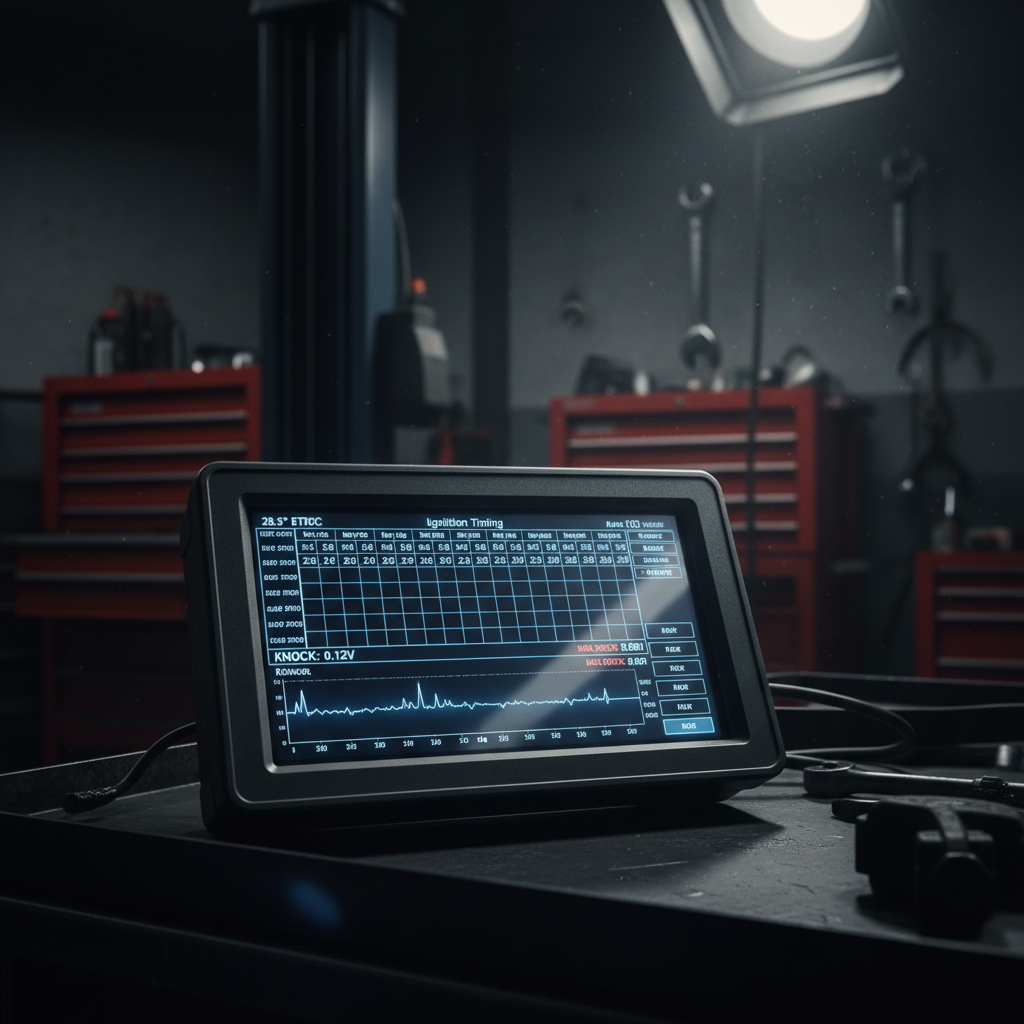
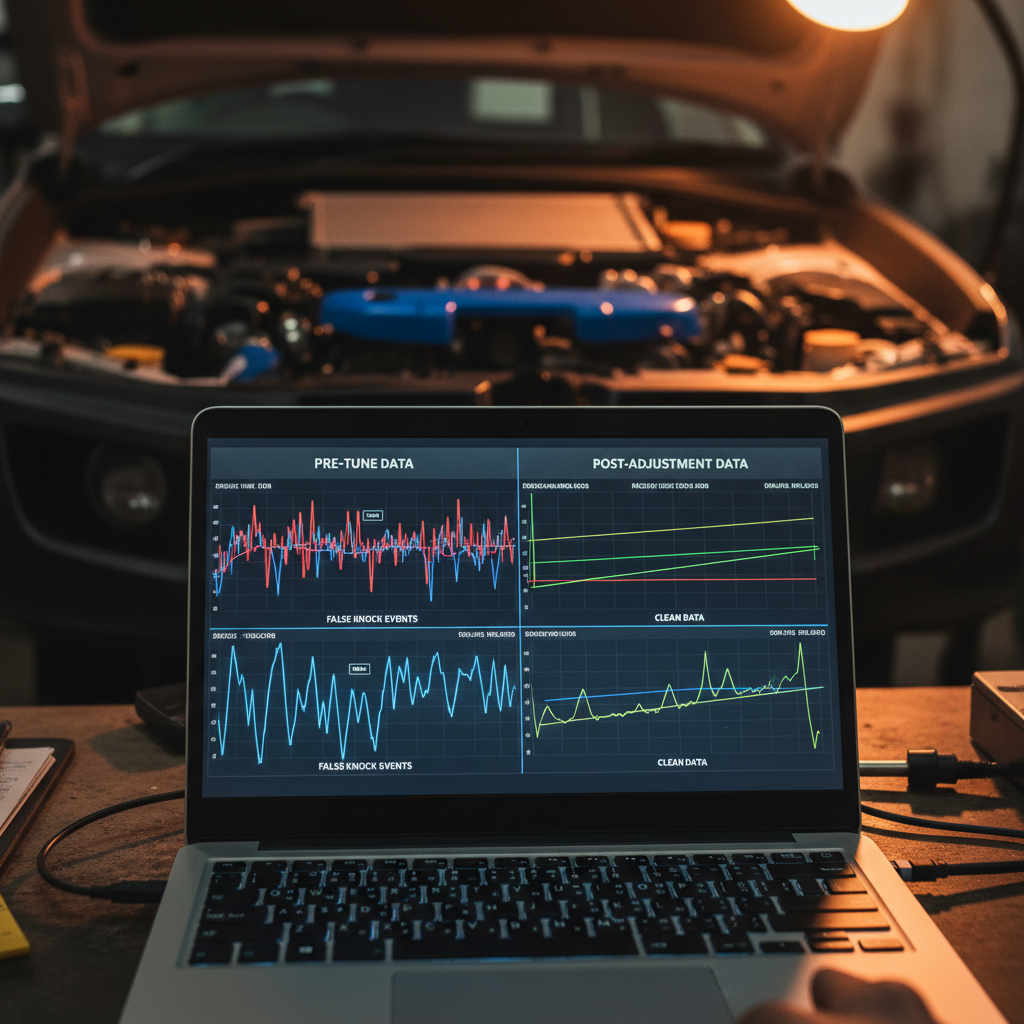
That post-tune knock you're seeing might not be knock at all — most low-RPM events are just injector noise triggering oversensitive ECU parameters. Here's how to separate real knock from false positives using actual sensor data.