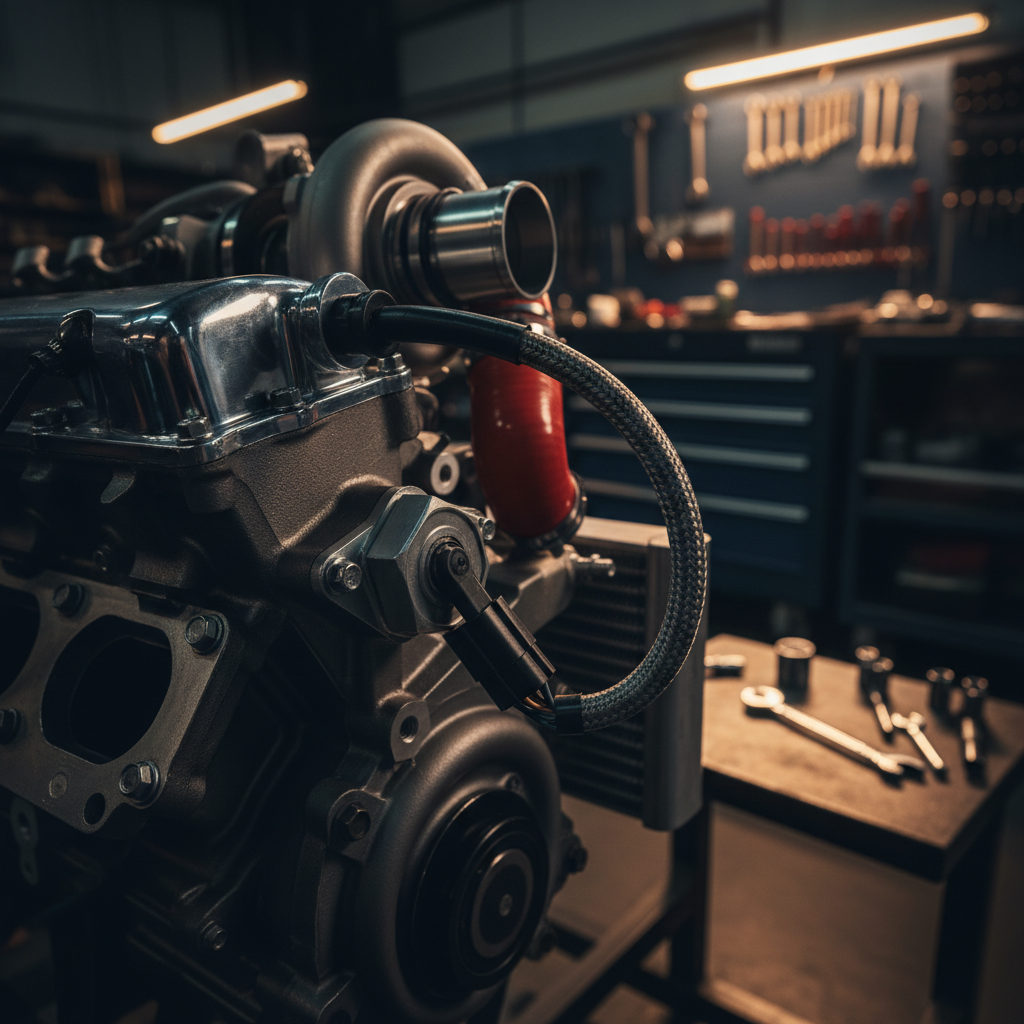
Stage 2 Tune After Winter Storage: Why Cold Engines Need Break-In
Stage 2 tunes immediately after winter storage are engine killers, period. Your motor needs 500km of gradual break-in before it can handle aggressive timing maps without throwing false knock readings that’ll have you chasing ghosts in your datalogs.
- Cold engines after storage show 15-25% higher knock sensor sensitivity due to thermal contraction
- Stage 2 maps run 18-22 degrees advance under boost, too aggressive for engines below operating temperature ranges
- 500km break-in period with conservative timing prevents false knock events and oil circulation issues
- Proper heat cycling restores knock sensor baseline readings and piston ring seal integrity
- Jumping straight to Stage 2 creates 14:1 AFR conditions that trigger phantom knock retard events
Post-storage engine break-in: The gradual conditioning process needed to restore an engine’s thermal cycling, oil circulation, and sensor calibration after extended cold storage periods before applying aggressive tuning parameters.
Why Cold Engines Can’t Handle Stage 2 Timing Right Away
When your car sits through winter, everything contracts and settles. The knock sensors, which rely on detecting specific frequency vibrations in the engine block, shift their baseline sensitivity. Metal components contract at different rates, creating micro-gaps that weren’t there when you parked it in autumn. Your piston rings lose their heat-expanded seal against the cylinder walls.
Stage 2 maps typically run 18-22 degrees of timing advance under full boost. That’s aggressive timing that assumes your engine is at full operating temperature with proper ring seal and sensor calibration. A cold engine running those same timing numbers will generate false knock events because the sensors are reading normal combustion vibrations as knock due to their shifted baseline.
The oil circulation compounds this problem. After months of sitting, your oil has drained from critical bearing surfaces and timing chain tensioners. Even after warming up, it takes several heat cycles to restore proper oil film thickness on all internal surfaces. Running aggressive timing before this happens puts unnecessary stress on components that aren’t properly lubricated yet.
Your ECU doesn’t know any of this. It sees what looks like knock events and starts pulling timing, creating a cascade of compensation that makes your datalogs look like a disaster even when the engine is mechanically sound.
What the Data Actually Shows During Post-Storage Tuning
Fresh out of storage, you’ll see knock counts spike at timing levels that ran clean last season. Typically, engines show 8-12 knock events per pull at timing advances that previously showed zero knock activity. The knock sensor voltage sits 15-20% higher than normal baseline readings, creating hypersensitive detection that flags normal combustion events.
AFR readings become inconsistent during the first 200km. You’ll see swings from 11.8 to 13.2 on identical pulls because the injectors and fuel rail pressure aren’t maintaining consistent delivery patterns. This inconsistency creates lean pockets that look like knock to the ECU, triggering timing retard even when actual knock isn’t occurring.
Oil temperature takes longer to stabilize. Where you might have seen 95-100°C oil temps after a 10-minute warm-up last season, cold engines often need 15-20 minutes to reach the same temperatures. Running aggressive timing before proper oil temps means you’re asking components to handle combustion pressures without adequate lubrication film strength.
Boost response becomes sluggish for the first few hundred kilometers. Turbocharger bearings and seals need time to restore proper clearances. You’ll see boost onset delays of 200-400 RPM compared to end-of-season performance. Pushing Stage 2 boost levels before the turbo has restored proper bearing clearances creates unnecessary stress on the compressor wheel and housing.
The Right Way to Return to Stage 2 After Storage
Start with a conservative base map for the first 500km. Run timing numbers 4-6 degrees lower than your final Stage 2 targets. If your Stage 2 map calls for 20 degrees under boost, start with 14-16 degrees and gradually step up as the engine completes proper heat cycles.
Monitor knock sensor baseline voltage during your first few drives. Healthy knock sensors should show 2.5-3.0V baseline readings when the engine is properly warmed up. If you’re seeing baseline readings above 3.5V, the sensors haven’t recalibrated yet and aggressive timing will trigger false positives.
Complete at least five full heat cycles before pushing timing limits. A proper heat cycle means getting oil temps to 100°C, running the engine under moderate load for 15-20 minutes, then letting it cool completely to ambient temperature. This process restores piston ring seal and recalibrates sensor readings.
Log AFR consistency across multiple pulls before advancing timing. You want to see AFR readings within 0.2 points across identical throttle and boost conditions. Inconsistent AFR readings indicate fuel delivery issues that will cause phantom knock events when you add timing.
Gradually increase boost pressure alongside timing advancement. Don’t jump from winter storage directly to 20 PSI (138 kPa). Step up in 2-3 PSI (14-21 kPa) increments, logging knock activity at each level before moving higher.
What Goes Wrong When You Skip the Break-In Period
The most common failure is bearing damage from aggressive timing on inadequate oil film. Engines that jump straight to Stage 2 timing show bearing wear patterns consistent with oil starvation, even when oil levels and pressure appear normal. The oil simply hasn’t had time to restore proper film thickness on all bearing surfaces.
False knock readings create a tuning nightmare that wastes dyno time and money. You’ll spend hours chasing timing and fuel adjustments trying to eliminate knock events that aren’t actually occurring. Meanwhile, the real issues, oil circulation and sensor calibration, remain unaddressed.
Piston ring damage becomes inevitable when you run lean AFR conditions on aggressive timing before rings have resealed. The combination of high combustion temperatures and inadequate ring seal creates hot spots that lead to ring land cracking or piston crown damage. Insurance won’t cover this because it’s tuning-related damage.
Turbocharger failures spike in spring for exactly this reason. Cold turbo bearings can’t handle Stage 2 boost levels without proper break-in. You’ll see compressor wheel contact with housing, bearing seizure, or shaft play issues that require complete turbo rebuilds. A $3,000 lesson in patience.
ECU adaptations get corrupted when you force aggressive maps on unprepared engines. The ECU learns from these false knock events and bakes in timing retard and fuel enrichment that persists even after the engine is properly broken in. You end up with a neutered tune that needs to be completely relearned.
Frequently Asked Questions
How long should I wait before running Stage 2 timing after winter storage?
Complete 500km of driving with conservative timing before pushing Stage 2 parameters. This includes at least five full heat cycles where oil temperature reaches 100°C and the engine cools completely between sessions. Most engines need 2-3 weeks of regular driving to properly recalibrate knock sensors and restore component clearances. Monitor your datalogs for consistent AFR readings and baseline knock sensor voltage below 3.0V before advancing timing.
Can I just warm up the engine longer instead of doing a gradual break-in?
Extended warm-up periods don’t replace the break-in process because they don’t address component settling and sensor recalibration. Your knock sensors need multiple thermal cycles to restore baseline sensitivity, and piston rings require heat cycling under varying loads to reseal properly. A 30-minute warm-up might get oil temperatures up, but it won’t restore the micro-clearances that developed during storage. You need actual driving miles with proper heat cycles, not extended idle time.
What knock sensor readings indicate my engine is ready for Stage 2 timing?
Baseline knock sensor voltage should stabilize between 2.5-3.0V when the engine is fully warmed up, with zero knock events during moderate timing advances of 14-16 degrees under boost. Consistent AFR readings within 0.2 points across multiple identical pulls also indicate proper fuel delivery. If you’re seeing baseline voltage above 3.5V or getting knock events at timing levels that previously ran clean, the engine needs more break-in time before aggressive tuning.
Will running Stage 1 timing hurt my engine’s performance permanently?
Conservative timing during break-in actually protects long-term performance by preventing bearing damage and ECU adaptation corruption. Running 4-6 degrees less timing for 500km has zero permanent impact on engine capability. However, forcing Stage 2 timing too early can cause bearing wear, ring damage, and corrupted ECU fuel trims that permanently reduce performance. The temporary power reduction during break-in prevents expensive permanent damage that costs thousands to repair.
Your engine spent months in cold storage. Give it the break-in period it needs before pushing Stage 2 parameters. TorqueMetrics can help you track the knock sensor baseline readings and AFR consistency that indicate when your engine is truly ready for aggressive timing. Because blowing a motor to save two weeks of conservative driving isn’t worth it.