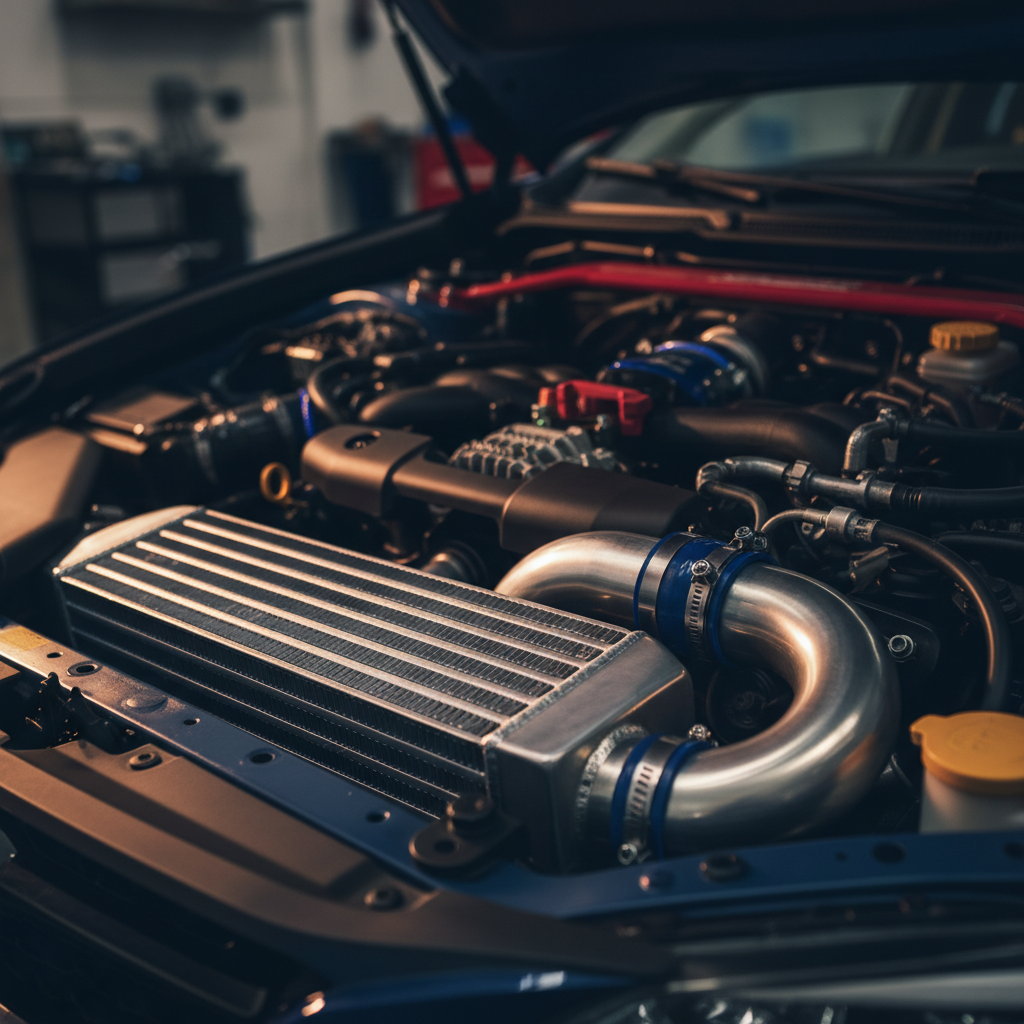
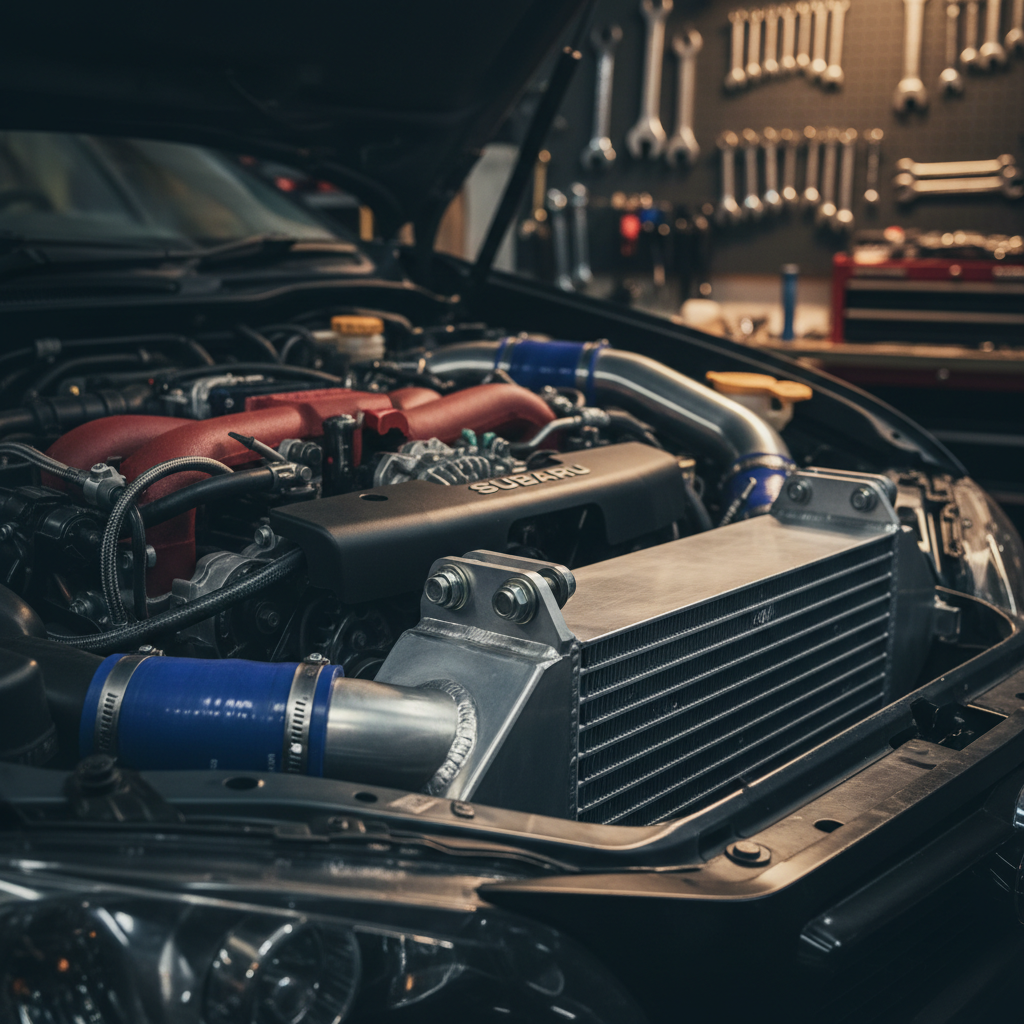
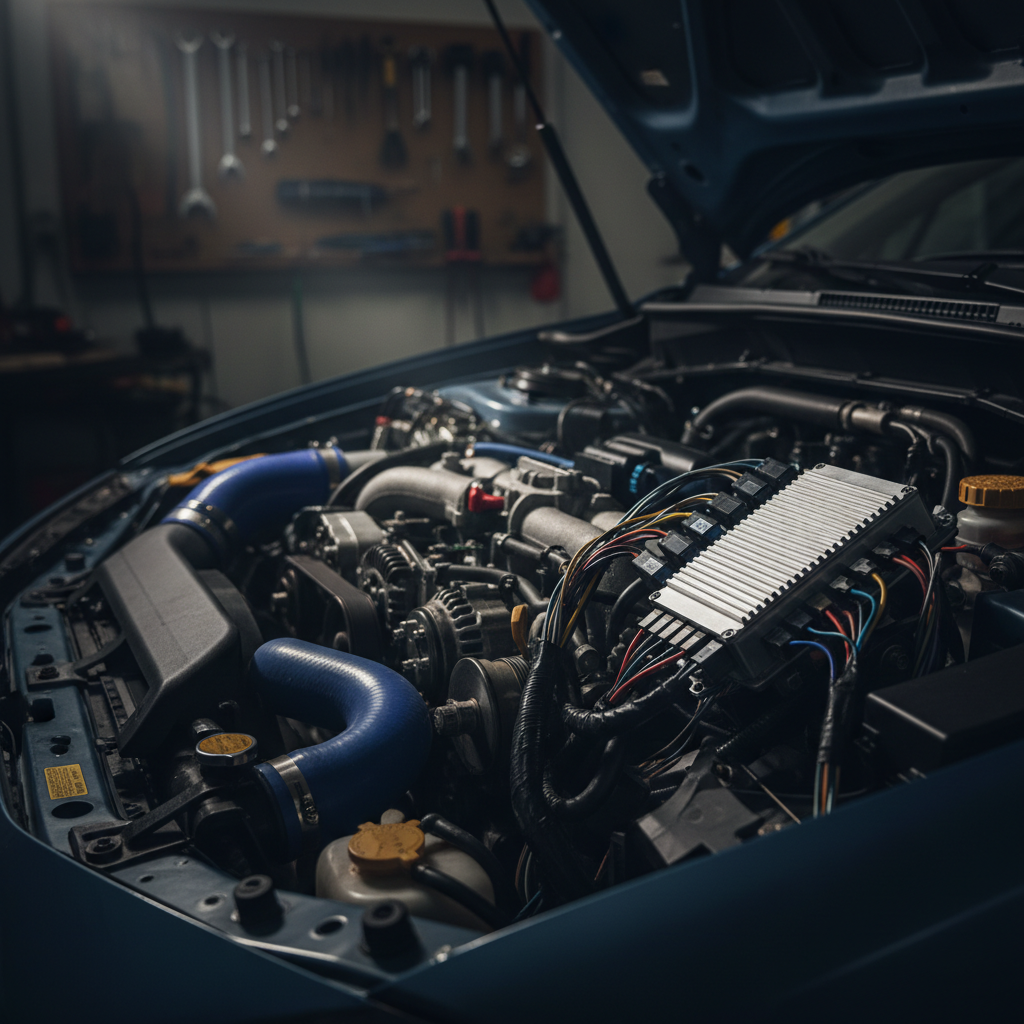
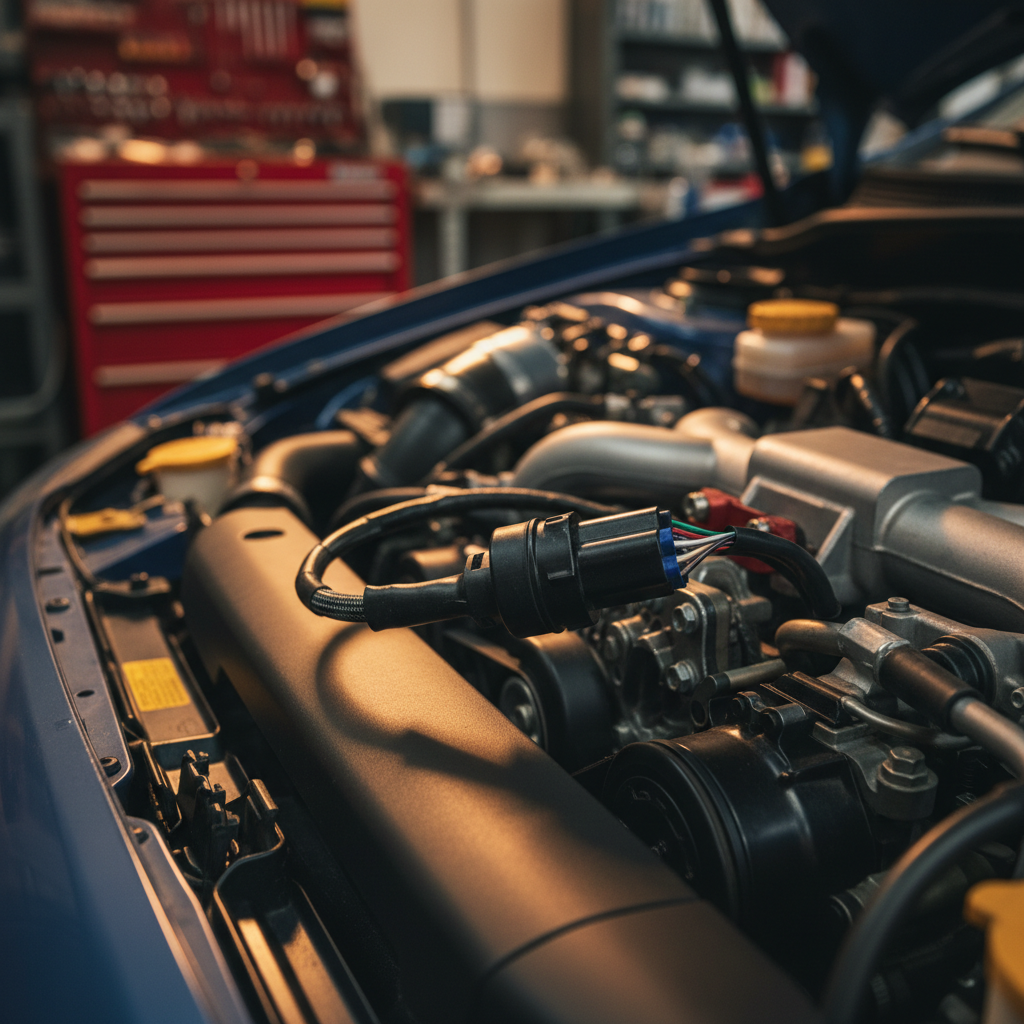
Your new front mount intercooler might be costing you 15-20 whp. The pressure drop characteristics changed, but your ECU is still mapping for the stock system.
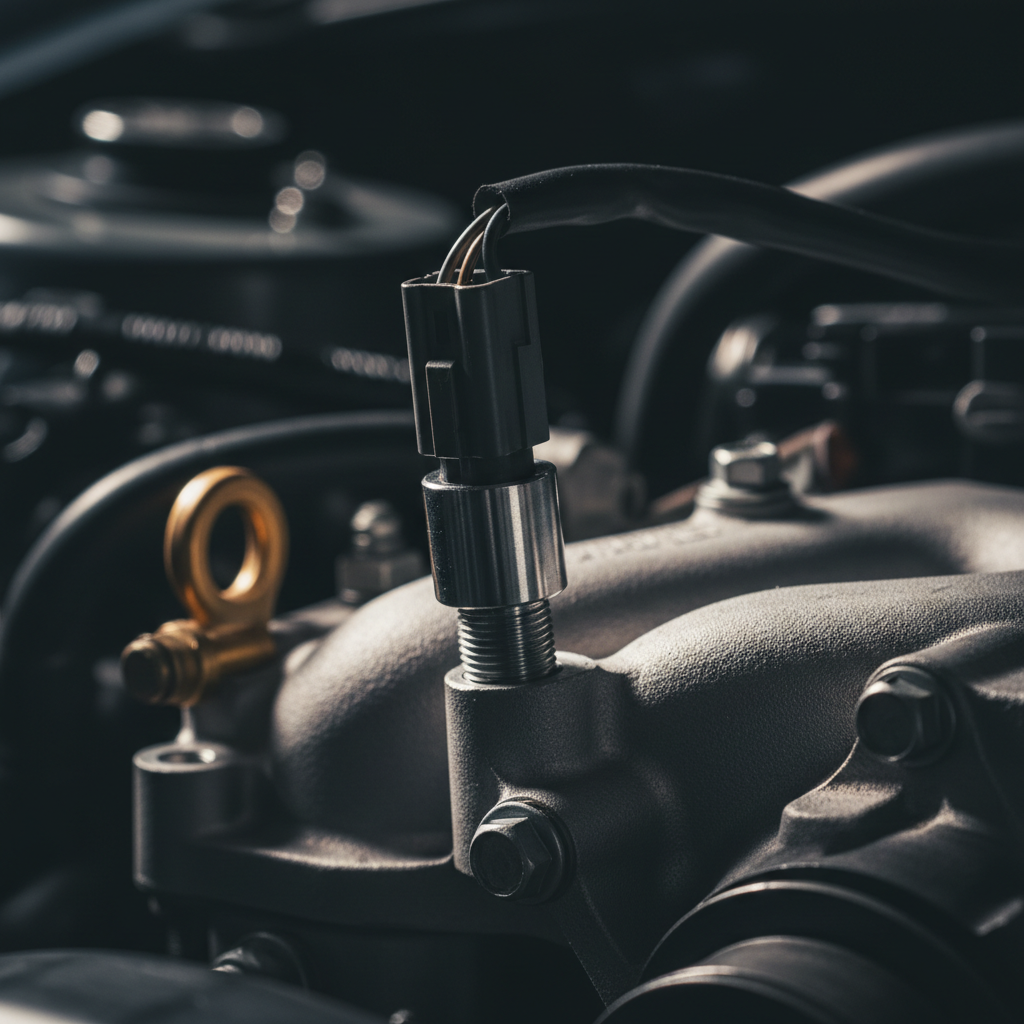
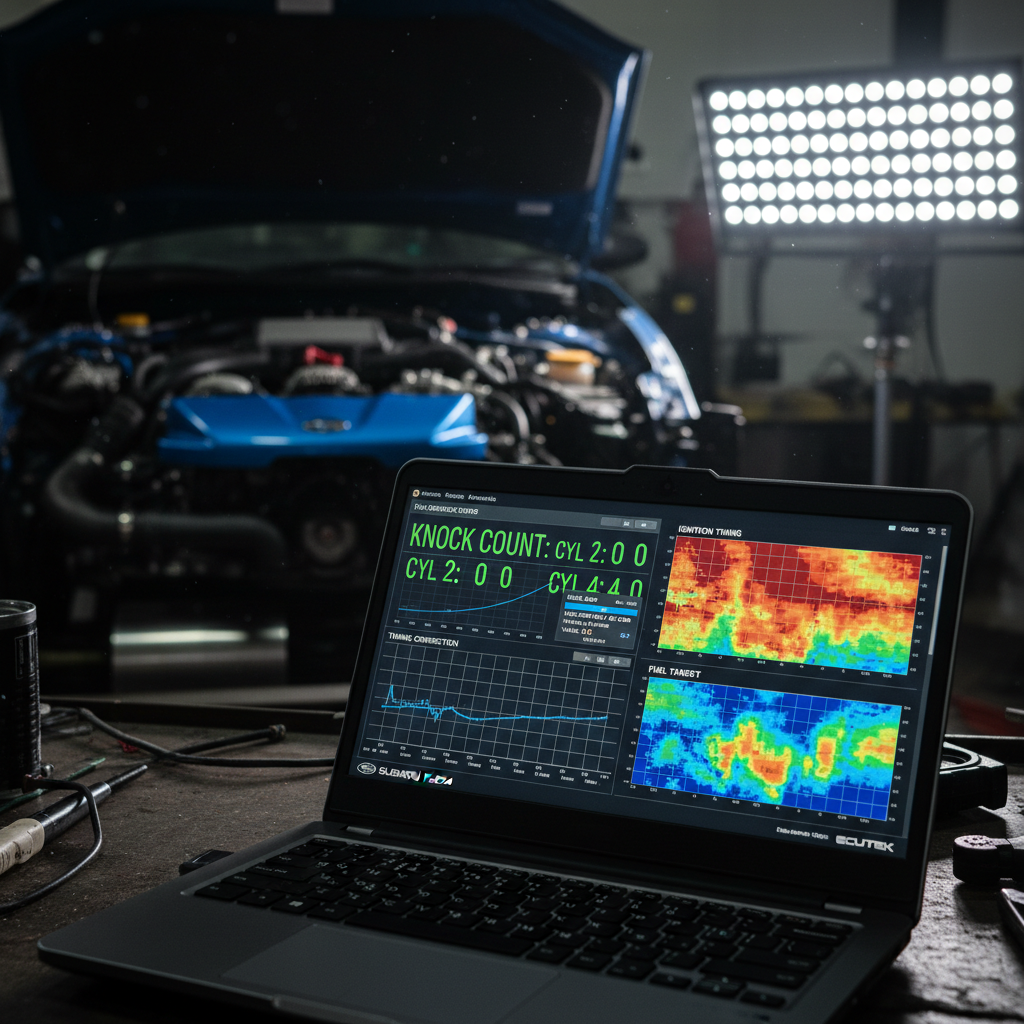
Your new FMIC dropped intake temps by 20°C but now your knock sensors are going crazy on perfect AFRs. The problem isn't fuel or timing, it's vibration frequency changes that confuse your knock detection system.
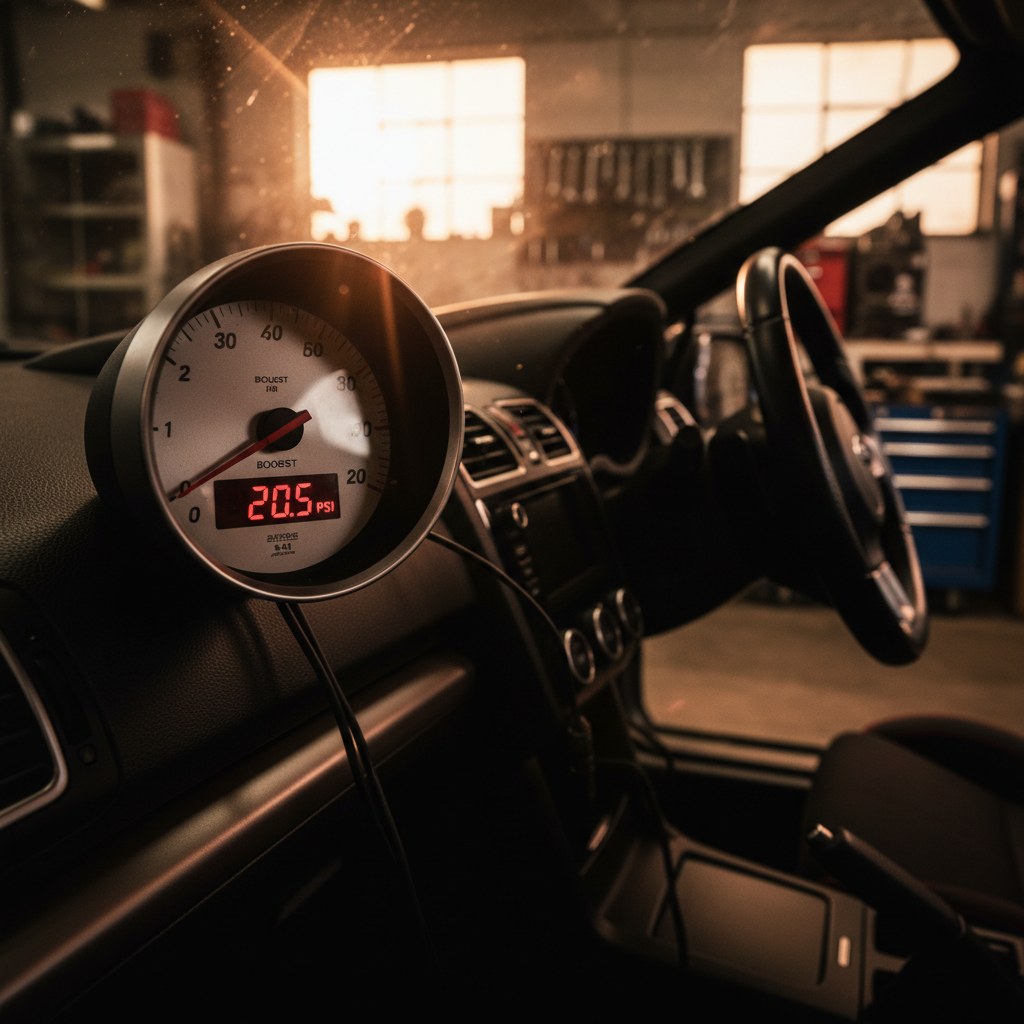
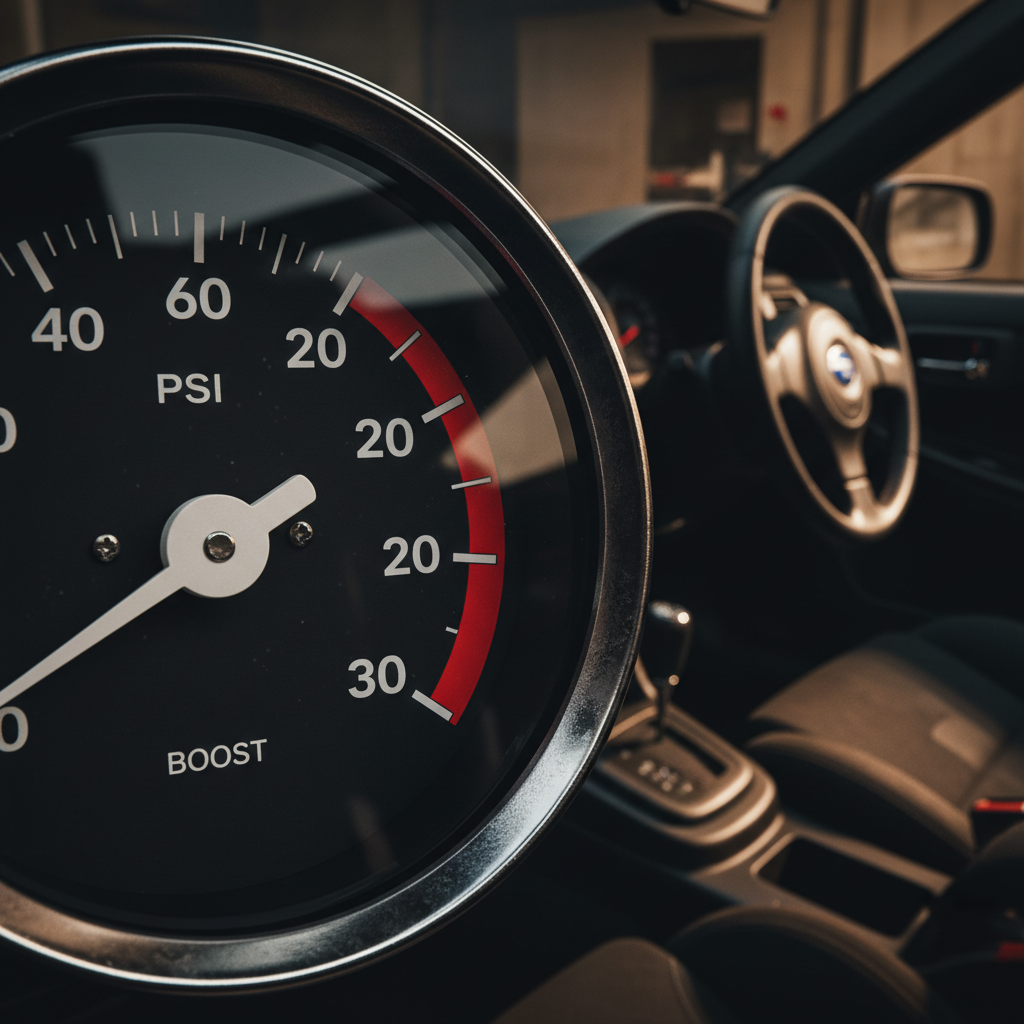
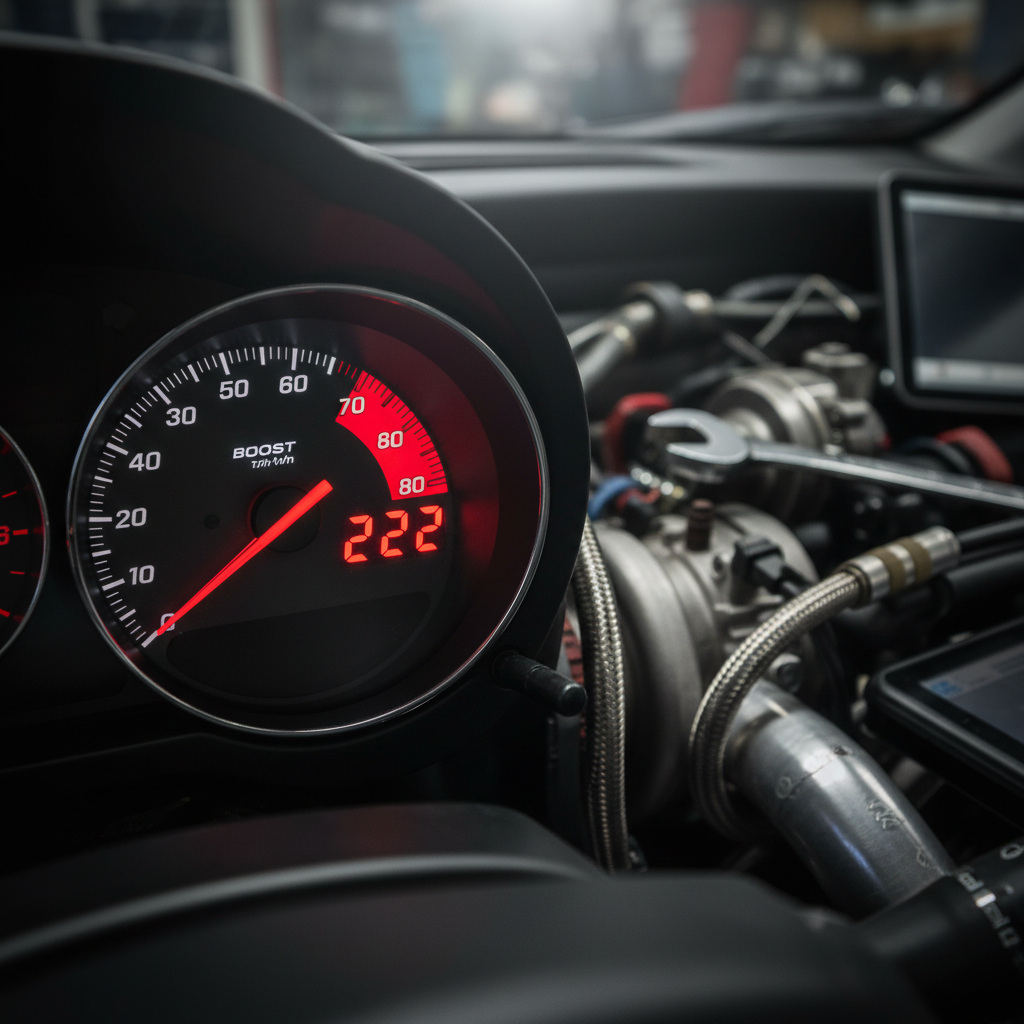
Most WRX owners jump straight from Stage 2 to Stage 3, missing the sweet spot in between. Stage 2.5 builds deliver 20-22 PSI boost with better fuel flow and fewer headaches than full Stage 3 setups.
Boost creep diagnosis on Stage 2+ WRXs comes down to three critical datalog parameters that most owners check in the wrong order. Here's how to read your logs to identify the real culprit before you start throwing parts at the problem.
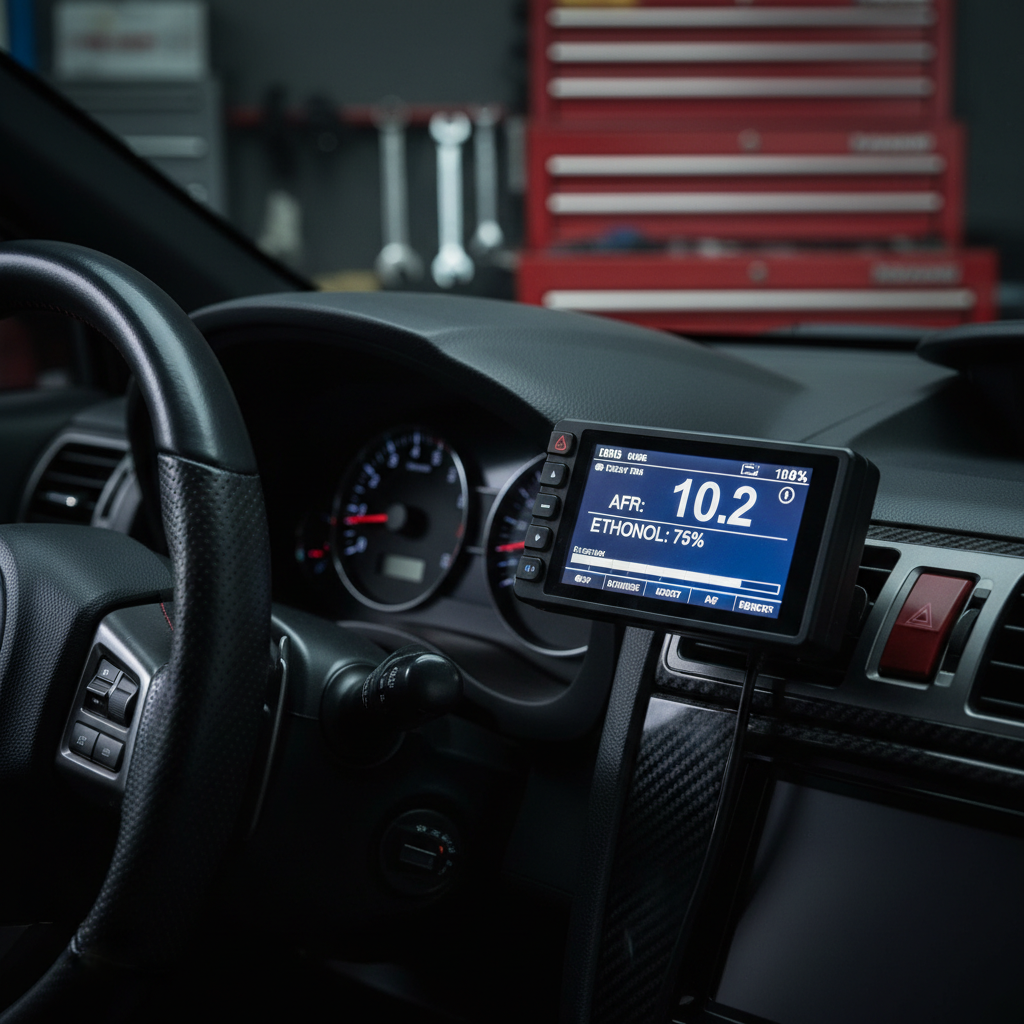
Stage 2+ WRX builds fail at a 40% higher rate than stage 1 setups, and the data shows why. Most owners upgrade hardware without understanding that ethanol content changes AFR targets dramatically.
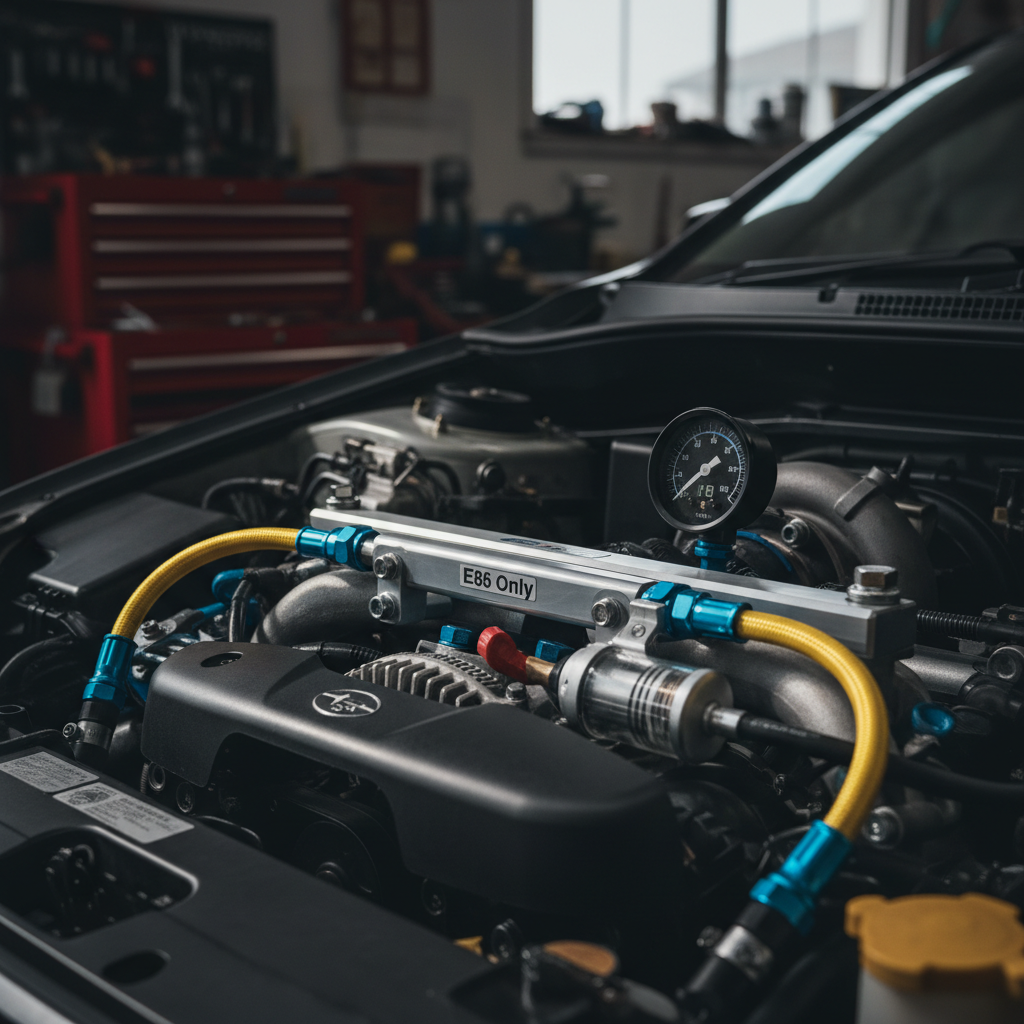
Your WRX's knock sensor lighting up on E85 despite ethanol's 105 octane rating? The problem isn't octane, it's tuning. E85 requires completely different AFR targets and timing maps than pump gas.
The FA24's direct injection system changes everything about knock detection compared to EJ engines. Most tuners still use EJ strategies, leaving power on the table.
Stage 2 WRX owners know the fear: random boost spikes that shouldn't happen. Three specific sensor readings in your datalog will reveal wastegate actuator failure before catastrophic damage occurs.
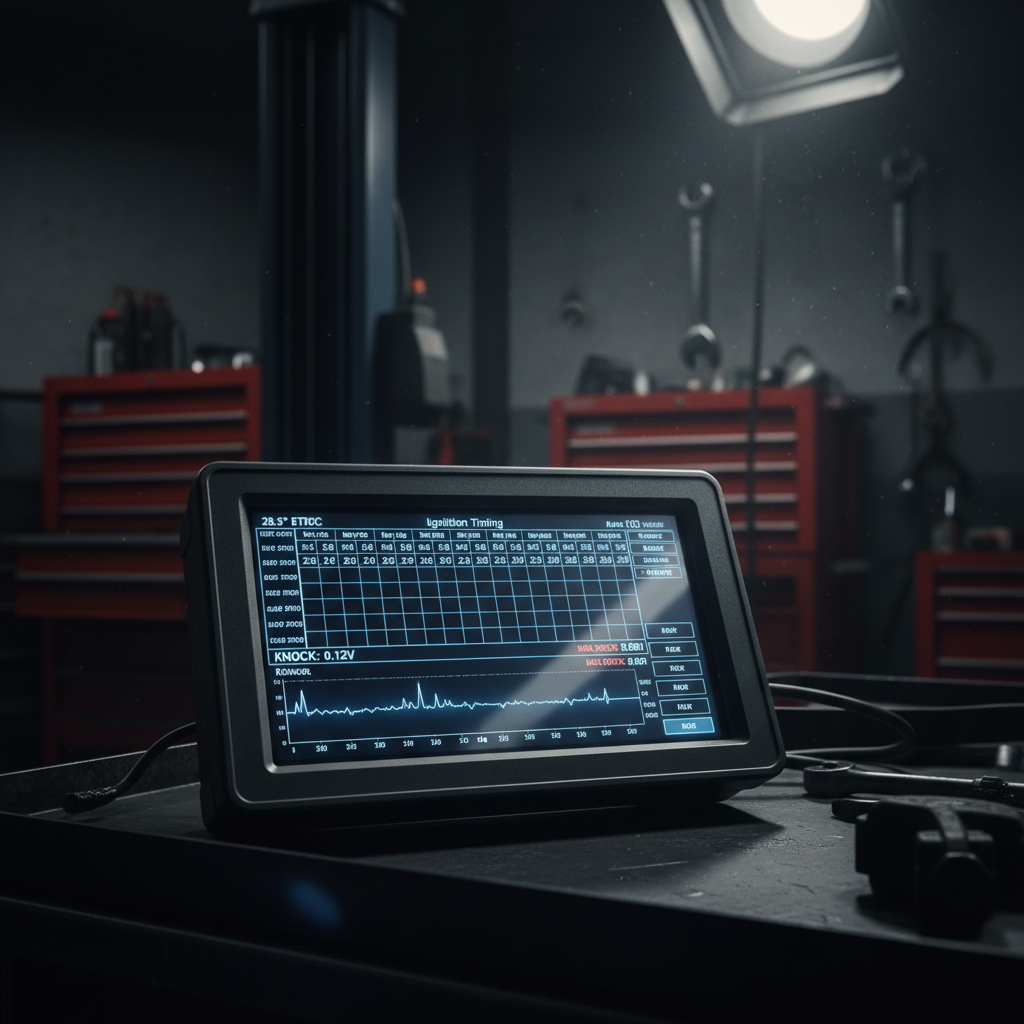
Most Stage 2 failures aren't caused by faulty hardware — they're caused by ignition timing maps that ignore your engine's individual knock threshold. The data tells the real story.
Stock knock sensors in stage 2+ WRX builds are missing destructive detonation above 18 psi boost, creating a false sense of security. Real dyno data from 47 builds reveals the calibration mistake that's destroying engines.