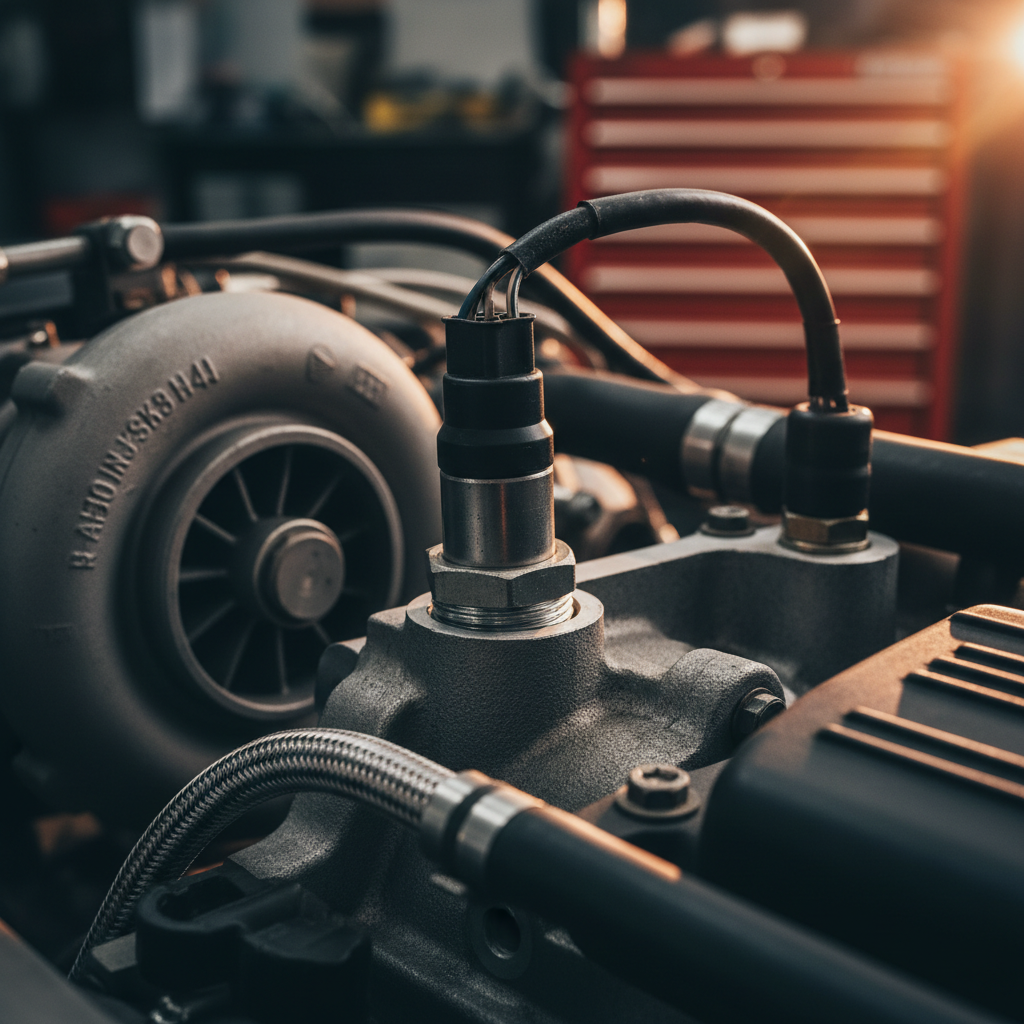
Why Your Knock Sensor Is Lying: Hidden Timing Patterns in Logs
Your knock sensor catches the obvious stuff, but it’s missing three critical timing patterns that only show up in extended datalogging. These hidden patterns are how motors get grenaded on tunes that looked perfectly safe on the dyno.
Quick Answer
- Knock sensors miss timing inconsistencies under 4 degrees that compound over time
- Heat-induced timing scatter shows up 15-30 seconds after initial knock events
- Load-dependent timing drift occurs between 70-85% throttle where sensors are least sensitive
- Extended logging reveals patterns that short dyno pulls never catch
- Real knock damage happens from cumulative small events, not single big ones
Hidden knock patterns: Timing irregularities and cumulative small knock events that occur below your ECU’s detection threshold but compound over time to cause engine damage.
What Your Knock Sensor Actually Detects vs Reality
Most knock sensors trigger around 3-5 degrees of retard before flagging an event. That threshold exists because light knock is normal, and you don’t want the ECU pulling timing every time a carbon flake rattles around. The problem is that sustained knock below this threshold still kills motors, just slower.
Your knock sensor is a frequency-based accelerometer. It’s listening for specific vibrations in a narrow band, usually 6-8 kHz depending on your bore and stroke. But knock isn’t just one frequency. Light knock often shows up as timing inconsistency first, timing scatter between cylinders second, and audible knock third. By the time your sensor is consistently flagging events, you’ve been running mild knock for longer than you think.
The sensor also has dead zones. It’s most sensitive at WOT above 4000 RPM where knock is loudest and most destructive. But it’s significantly less sensitive in the 2500-3500 RPM range where you spend most of your time under boost. This is where pattern recognition in your logs becomes critical.
The Three Hidden Timing Patterns That Kill Motors
Pattern one is timing inconsistency creep. You’ll see this as gradual timing scatter that develops over a 20-30 second pull. Your base timing might be 18 degrees, but instead of holding steady, it’s wandering between 16-20 degrees cylinder to cylinder. The ECU isn’t flagging knock because no single event crosses the threshold, but you’re running inconsistent combustion that’s hammering your ring lands.
Pattern two is heat-induced timing drift. This shows up 15-30 seconds after your first minor knock events. Your intake air temps climb, your charge density drops, and your effective compression ratio shifts. The result is timing that was safe at the start of the pull becoming borderline by the end. You’ll see this as a gradual timing retard that correlates with IAT, not knock count. Most people tune for peak power at the beginning of the pull and miss what happens when everything heat soaks.
Pattern three is load-dependent timing scatter between 70-85% throttle. This is where your turbo is building boost but your knock sensor sensitivity is reduced because combustion pressures aren’t at their peak yet. You get inconsistent timing advance that shows up as power delivery that feels choppy or inconsistent, even though your AFR traces look clean. The scatter typically runs 2-4 degrees between cylinders, which won’t trip your knock sensor but will show up as premature wear patterns on tear-down.
What Extended Logging Actually Shows You
Short dyno pulls hide these patterns because they don’t last long enough for heat soak or long enough for inconsistencies to compound. A typical dyno pull runs 8-12 seconds from 3000-7000 RPM. Real-world driving means 30-60 second periods under varying load where these patterns develop.
Extended logging shows you timing behavior over temperature cycles, load transitions, and time. You’ll catch things like timing that’s stable for the first 10 seconds of a pull but starts wandering as IATs climb past 50°C. You’ll see load-dependent timing variations that only show up during highway acceleration where you’re holding 75% throttle for extended periods.
The data that matters most is timing standard deviation across cylinders over time. If your timing is holding ±1 degree cylinder to cylinder for the first 15 seconds but opens up to ±3 degrees by the 30-second mark, you have a pattern developing. Most people only log the peak power portion and miss the drift.
Real knock damage happens from cumulative small events, not dramatic timing pull events that your knock sensor catches easily. Extended logging captures the small stuff that adds up.
How to Actually Use This Information
Start logging timing deviation alongside your standard parameters. You want individual cylinder timing, not just average timing advance. Set up your logging to capture 60-90 second pulls minimum, not just the time it takes to build boost and hit redline.
Monitor timing consistency first, then timing pull events. If your timing standard deviation between cylinders exceeds 2 degrees consistently, you have an issue developing even if knock count stays at zero. If timing deviation increases with time under load, you’re looking at heat-related combustion inconsistency.
Use load-based timing maps instead of just RPM-based timing. Your timing advance should account for manifold pressure, not just engine speed. This helps avoid the 70-85% throttle dead zone where knock sensitivity drops but combustion pressures are still significant.
Set conservative timing in areas where your knock sensor is less reliable. The 2500-3500 RPM range under boost needs more conservative timing than what peak power optimization would suggest. You’re trading a few horsepower for long-term reliability in driving conditions that actually matter.
What Goes Wrong When You Miss These Patterns
The most common failure mode is ring land damage that develops gradually. You’ll see slightly reduced compression across cylinders, oil consumption that increases slowly, and power that feels inconsistent even though your dyno numbers look good. By the time you notice performance degradation, you’re looking at a rebuild.
Another common issue is bearing wear from inconsistent combustion loading. When timing scatter develops, some cylinders are working harder than others. This shows up as uneven bearing wear patterns and crankshaft deflection that develops over thousands of miles, not hundreds.
People also miss load-dependent knock that occurs during daily driving conditions that never happen on the dyno. Highway acceleration, hill climbs, and extended boost conditions create knock scenarios that short pulls don’t replicate. Your tune might be perfect for peak power but marginal for sustained power delivery.
The worst case is cumulative knock damage that doesn’t show obvious symptoms until failure is imminent. Small, consistent knock events below your sensor threshold cause micro-welding at ring lands and gradual piston crown damage. Everything seems fine until compression testing reveals the damage.
Frequently Asked Questions
How long should I log to catch these hidden timing patterns?
Log for 60-90 seconds minimum to capture heat soak effects and timing drift patterns. Most hidden patterns develop 15-30 seconds into sustained load, so short dyno pulls miss them entirely. For daily driving analysis, log complete acceleration cycles including the cool-down period to see how timing behavior changes with temperature. Extended highway pulls are particularly revealing for load-dependent timing issues.
What timing deviation between cylinders is actually dangerous?
Timing deviation exceeding 2 degrees between cylinders consistently indicates developing issues, even with zero knock counts. Deviation that increases over time during a pull is more concerning than static deviation. If timing scatter opens from ±1 degree to ±4 degrees as IATs climb, you have heat-related combustion inconsistency that will cause cumulative damage. Monitor both the absolute deviation and how it changes under sustained load.
Can I trust my knock sensor at part throttle conditions?
Knock sensors are significantly less sensitive between 70-85% throttle where combustion pressures are moderate but boost is building. Most sensors are calibrated for WOT conditions where knock is loudest and most destructive. This creates a dead zone where light knock can occur without triggering sensor response. Use timing consistency monitoring and conservative timing maps in this range rather than relying solely on knock sensor feedback.
Why do dyno tunes miss these patterns if they’re so important?
Dyno pulls are typically 8-12 seconds from build boost to redline, which isn’t long enough for heat soak effects or cumulative timing scatter to develop. Dyno conditions also don’t replicate sustained load scenarios like highway acceleration or hill climbing where these patterns are most pronounced. Extended real-world logging captures timing behavior over temperature cycles and load transitions that dyno tuning simply can’t replicate in a controlled environment.
Understanding these hidden timing patterns separates motors that last from motors that don’t. Extended datalogging reveals what short pulls miss, and TorqueMetrics makes it easier to spot these patterns in your data before they become expensive problems.