Your VQ37VHR can handle aggressive tunes, but hidden knock events below 5 degrees retard are slowly eating away at your ringlands. Most tuners miss these subtle engine killers in the data.
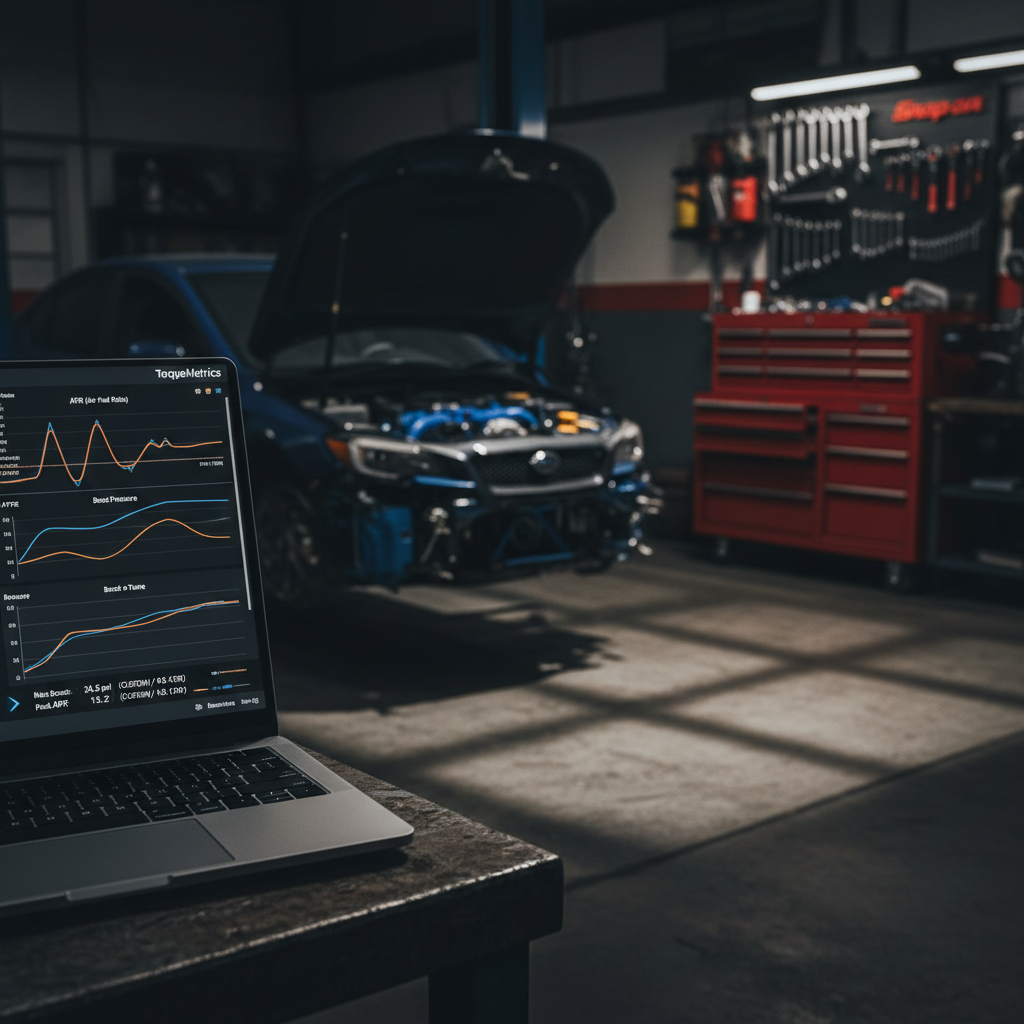
We analyzed identical FA24 setups running OTS maps versus custom tunes to settle the debate once and for all. The data reveals exactly why AFR consistency matters more than peak numbers.
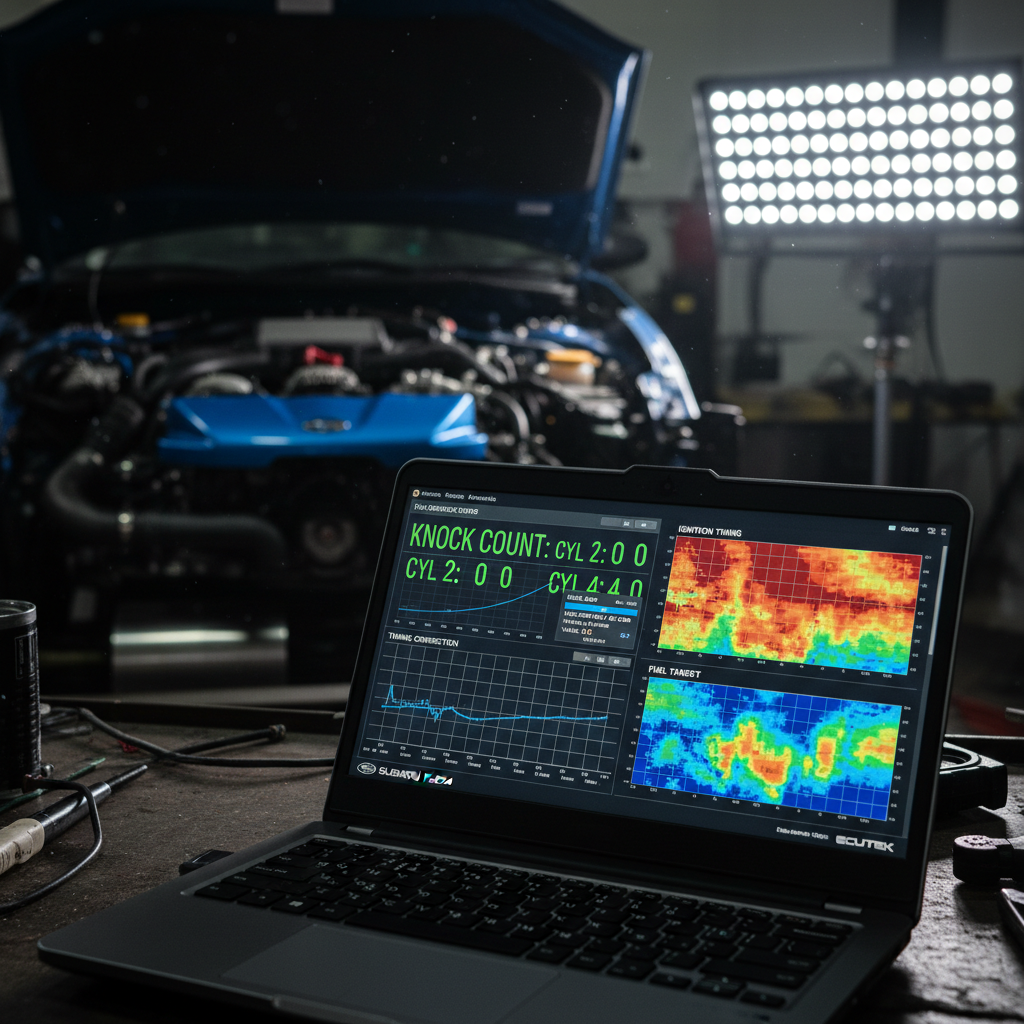
That smooth E85 pull that felt amazing? Your knock sensor logged 47 events and pulled 8 degrees of timing. Here's why your butt dyno lies when fuel economics drive octane choices.
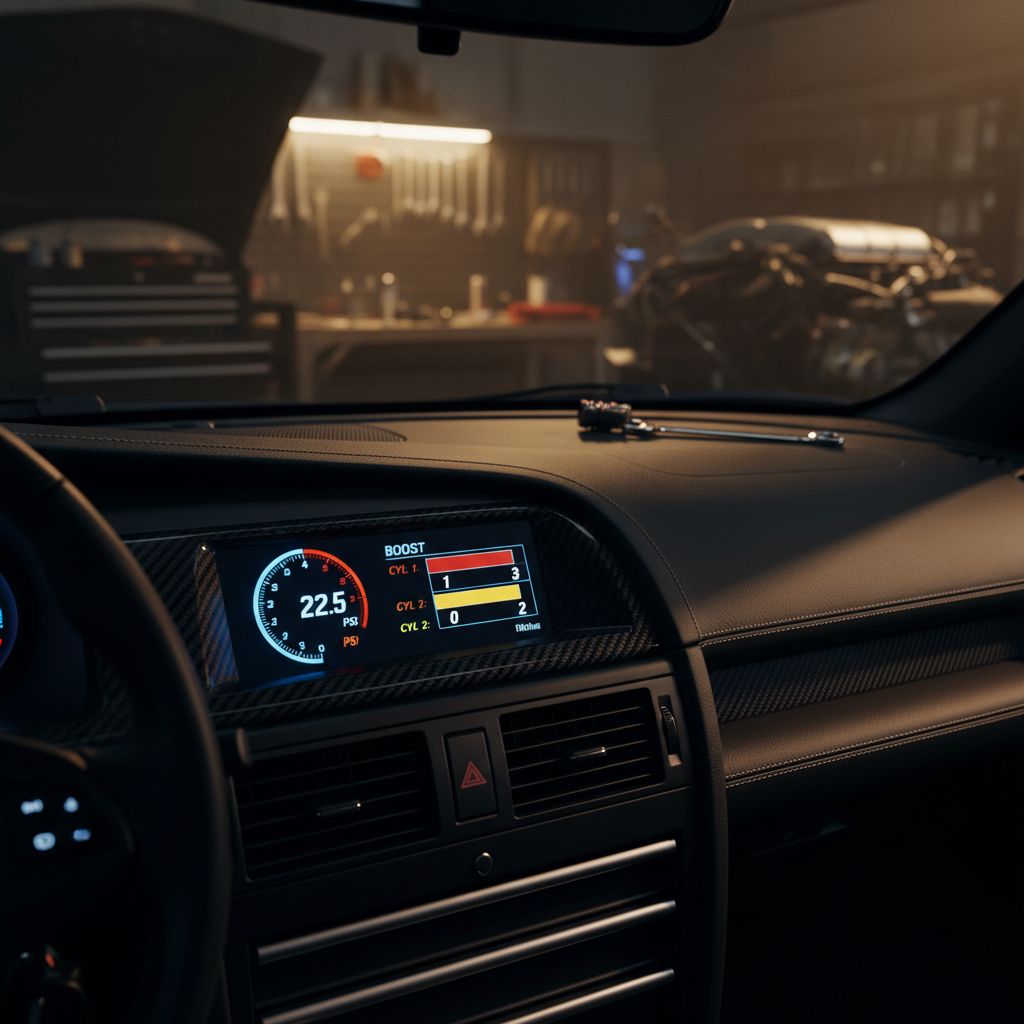
Most turbo Miata builds grenade because owners ignore wastegate actuator preload, causing dangerous overboost spikes under load. Your boost control setup matters more than peak power numbers.
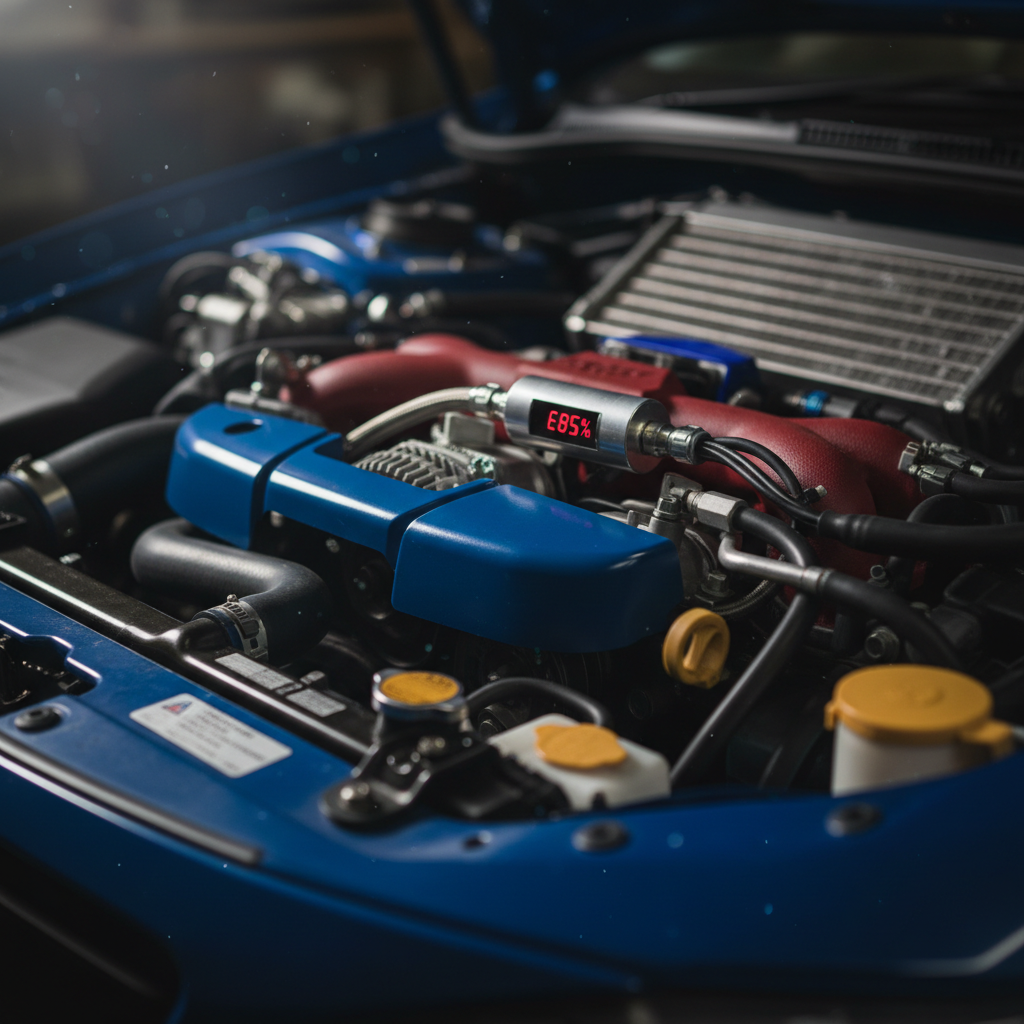
E85 conversion on your STI isn't just about peak power gains. The real advantage is knock resistance that lets you run 2-3 degrees more timing advance, but only if you monitor ethanol content religiously.
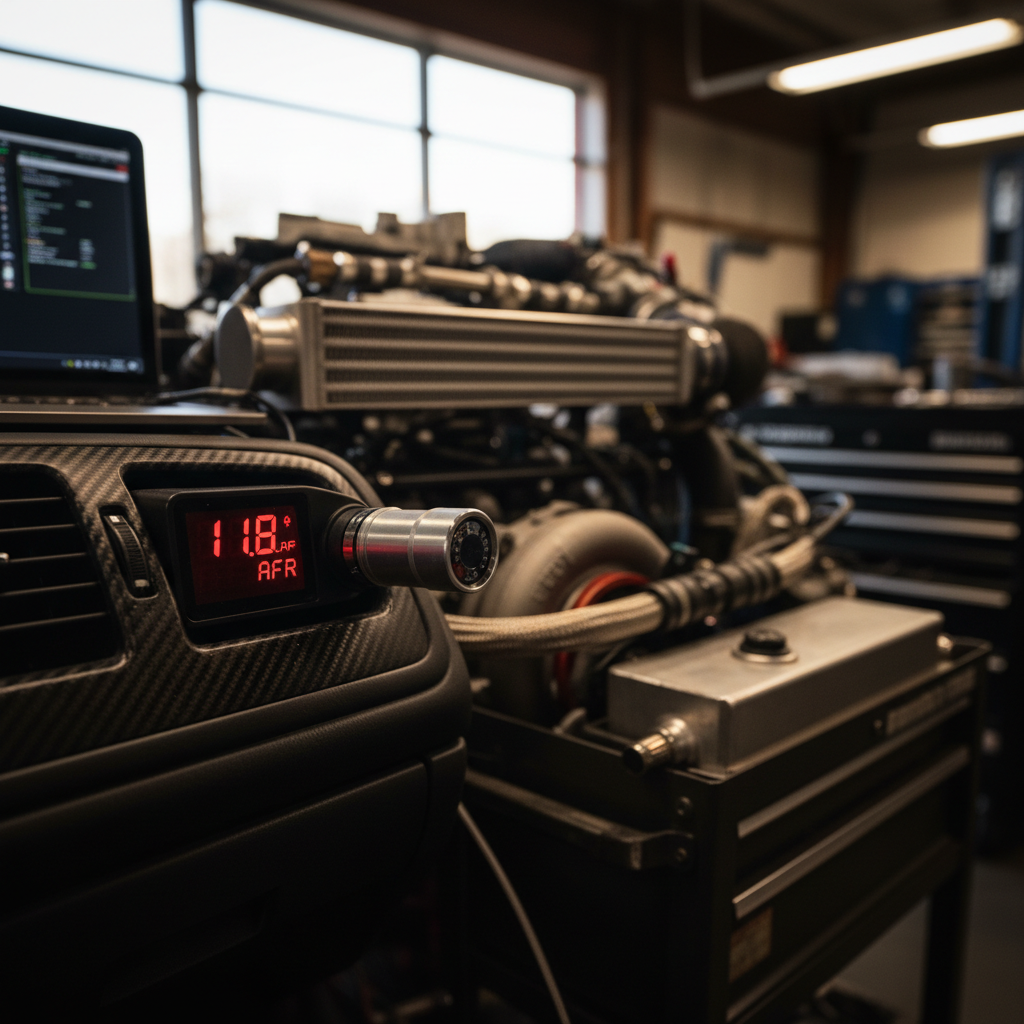
That 11.8 AFR reading looks safe, but it's actually the most dangerous zone for E85 Civic Si builds. The uneven burn patterns in this range create hotspots that melt pistons faster than lean conditions.
The FA24's direct injection system changes everything about knock detection compared to EJ engines. Most tuners still use EJ strategies, leaving power on the table.
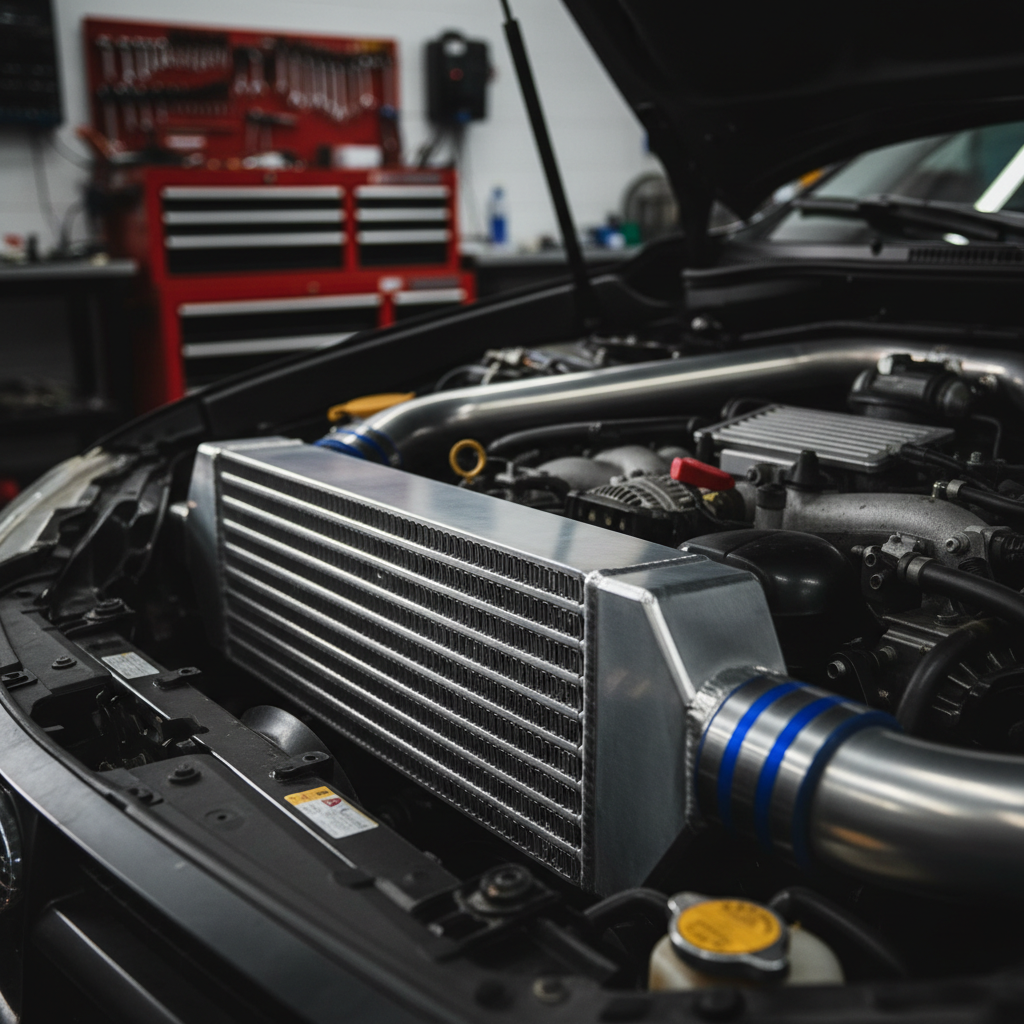
That massive front-mount intercooler dropping your charge temps 25°C sounds great until you see the dyno sheet. The real story is in the pressure drop data your tuner should have checked first.
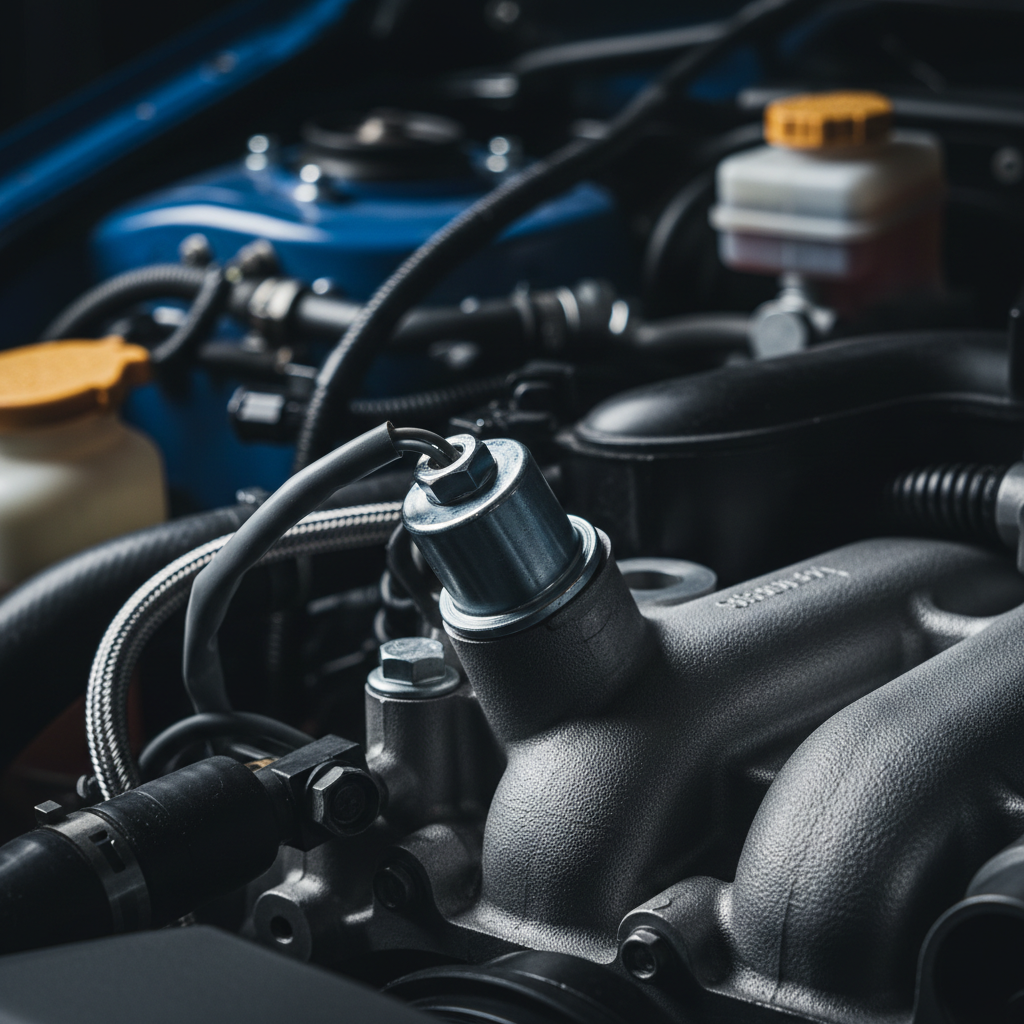
Your WRX STI's knock sensor might be lying to the ECU about phantom knock events, pulling timing and costing you serious power. Real data shows how often these sensors fail without throwing codes.