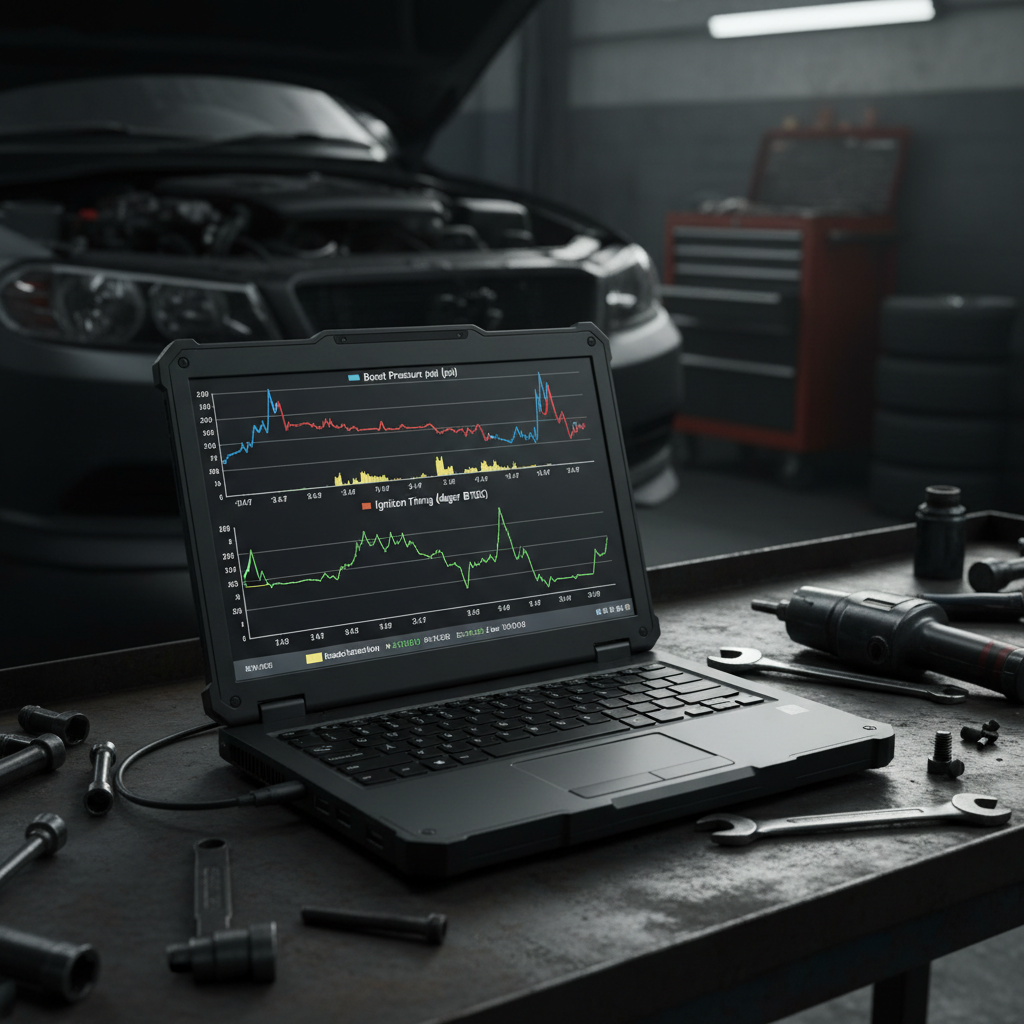
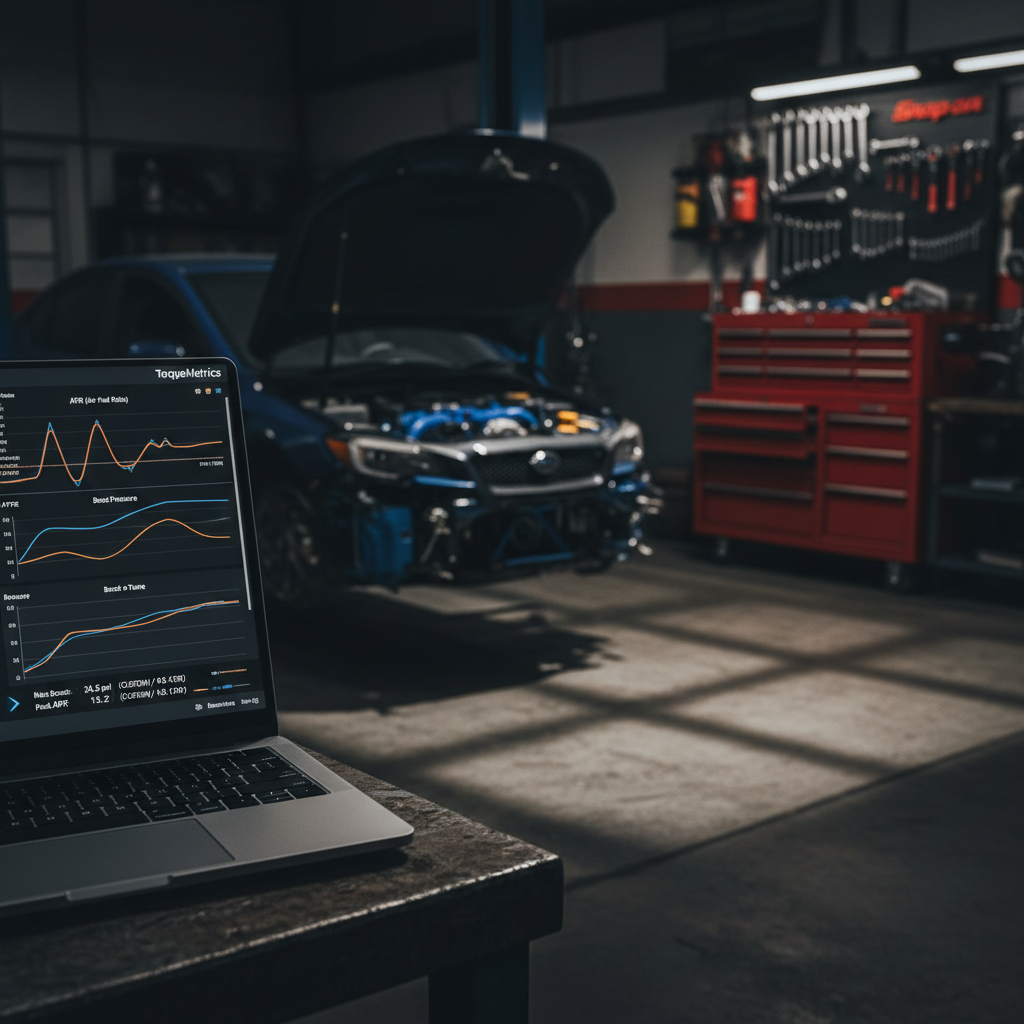
That perfect dyno pull doesn't capture the knock events at 3000rpm or AFR drift during daily driving. Continuous data monitoring reveals what's actually happening to your tune between dyno sessions.
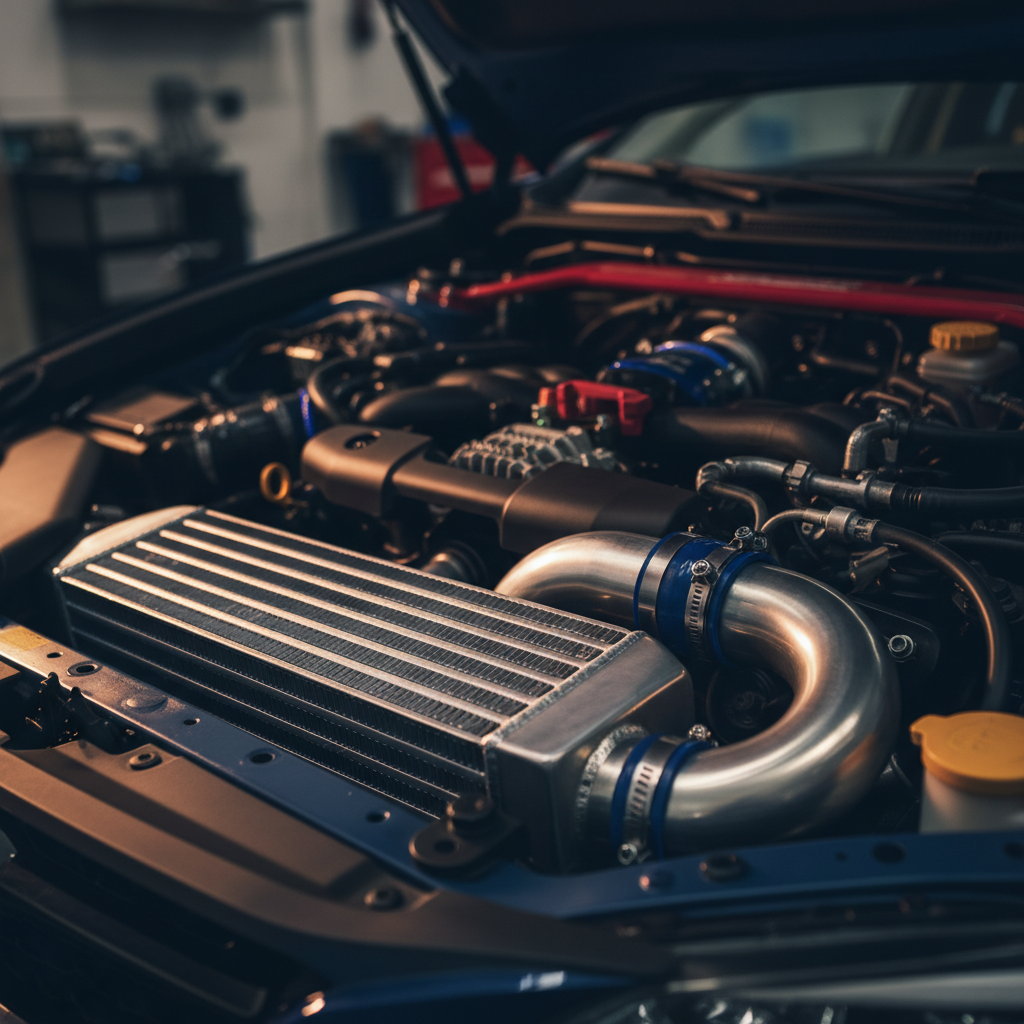
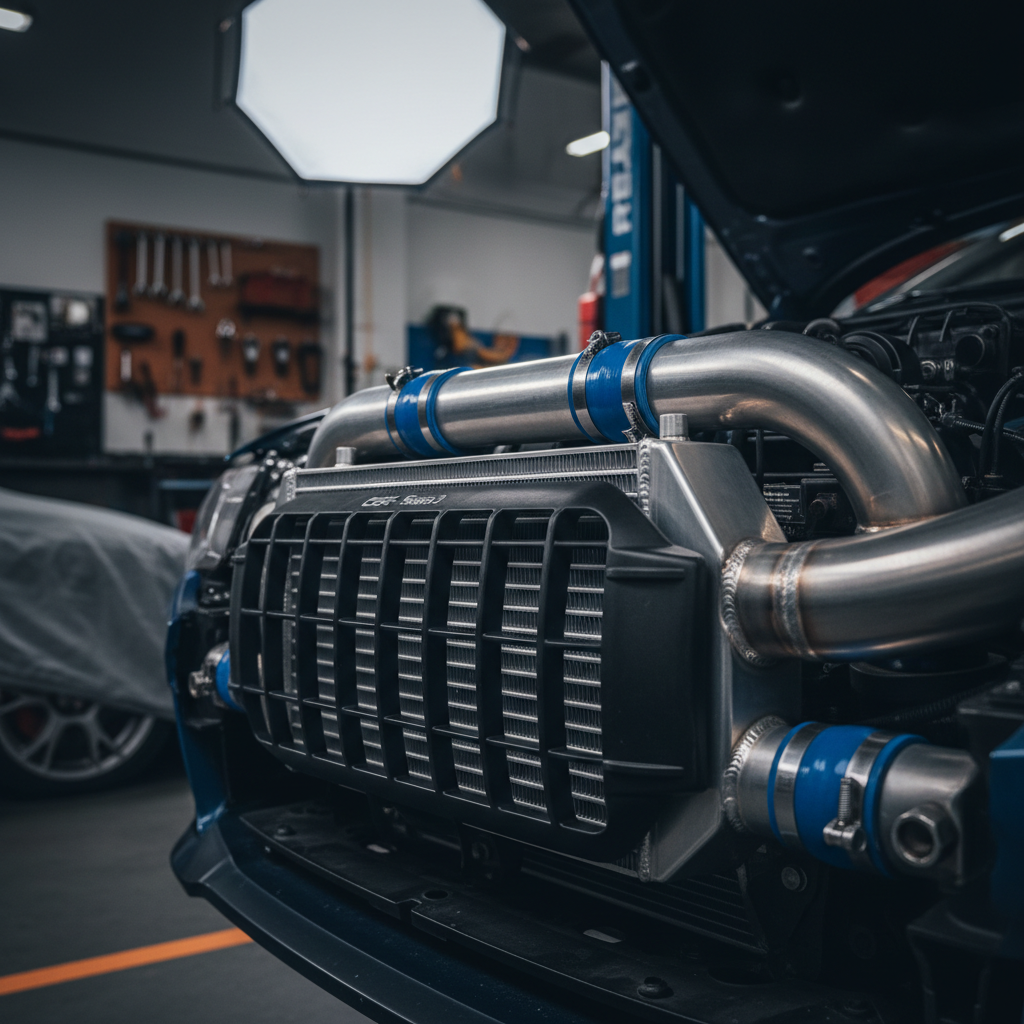
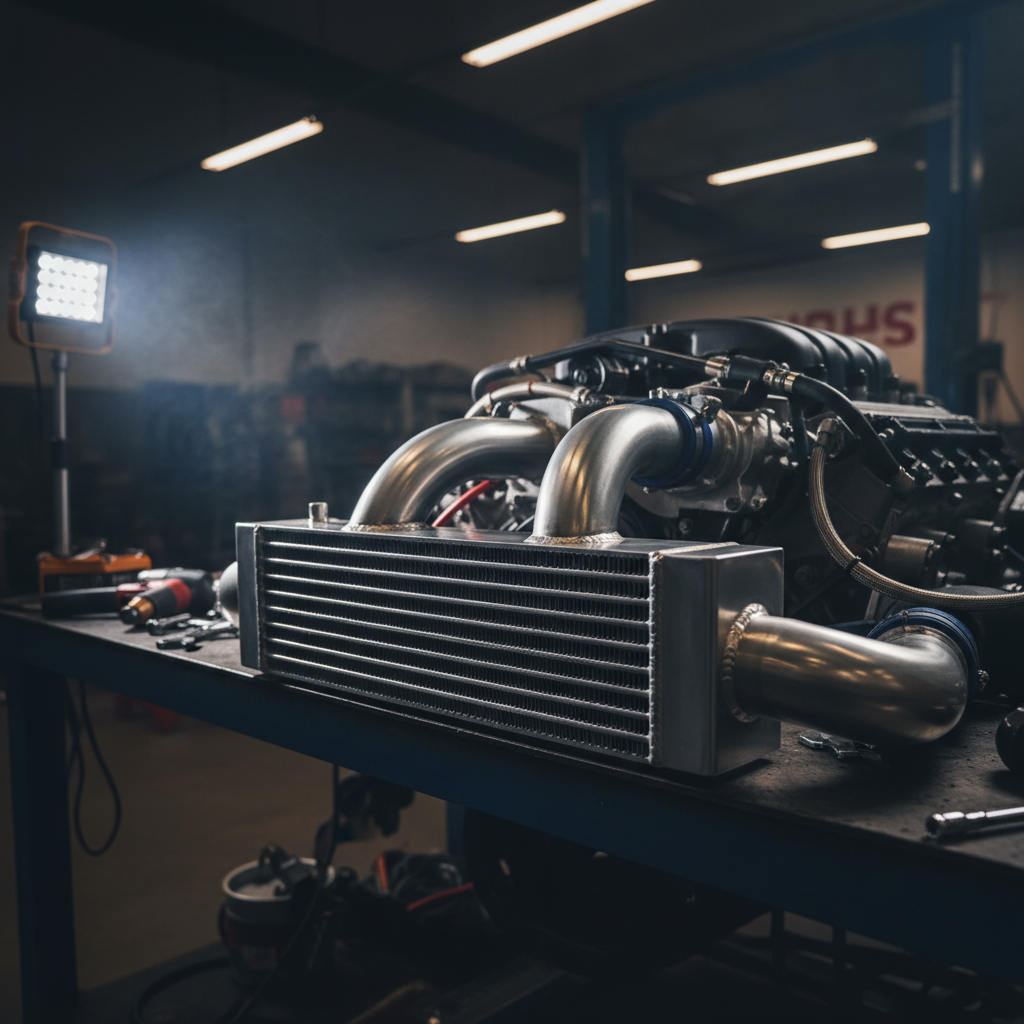
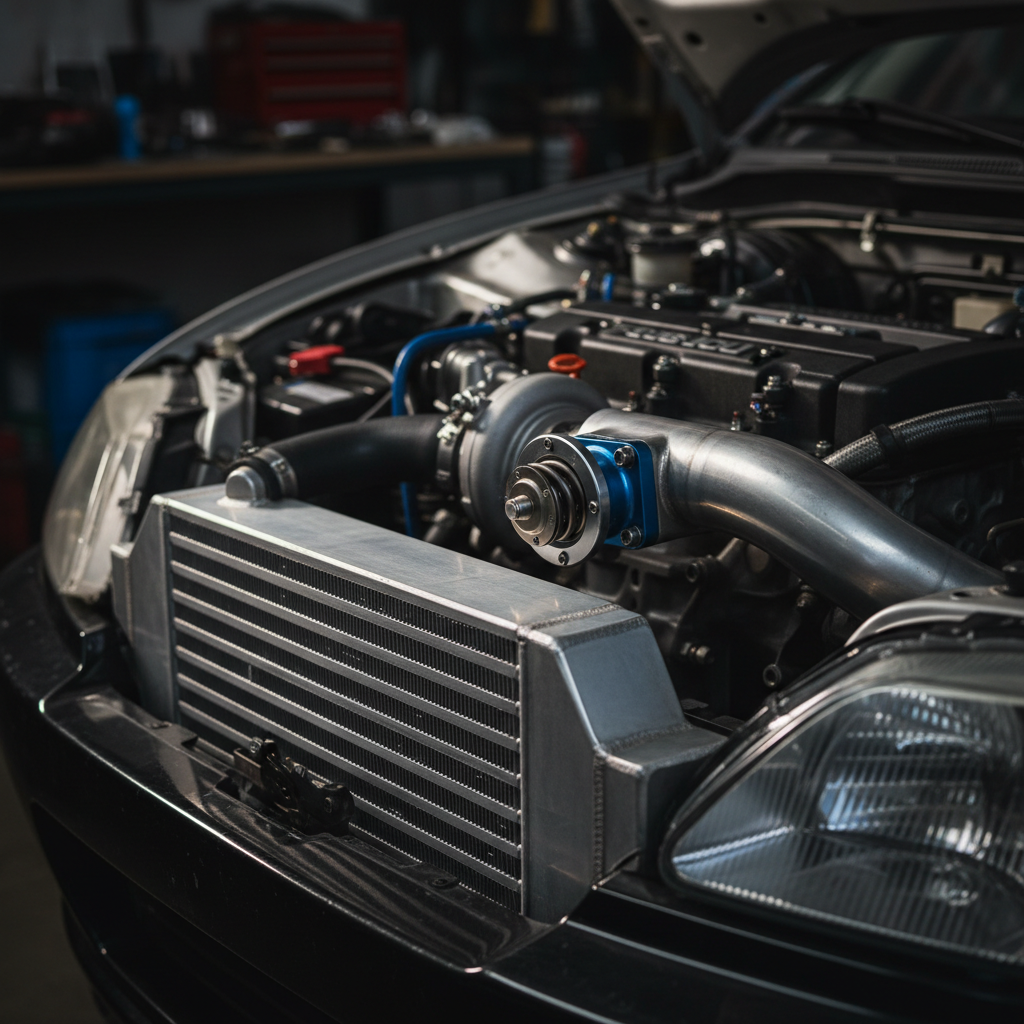
Your new front mount intercooler might be costing you 15-20 whp. The pressure drop characteristics changed, but your ECU is still mapping for the stock system.
We analyzed identical FA24 setups running OTS maps versus custom tunes to settle the debate once and for all. The data reveals exactly why AFR consistency matters more than peak numbers.
That first warm spring drive feels amazing until you check your knock logs. Your ECU just recorded 47 knock events because last year's tune is fighting this year's atmospheric conditions.
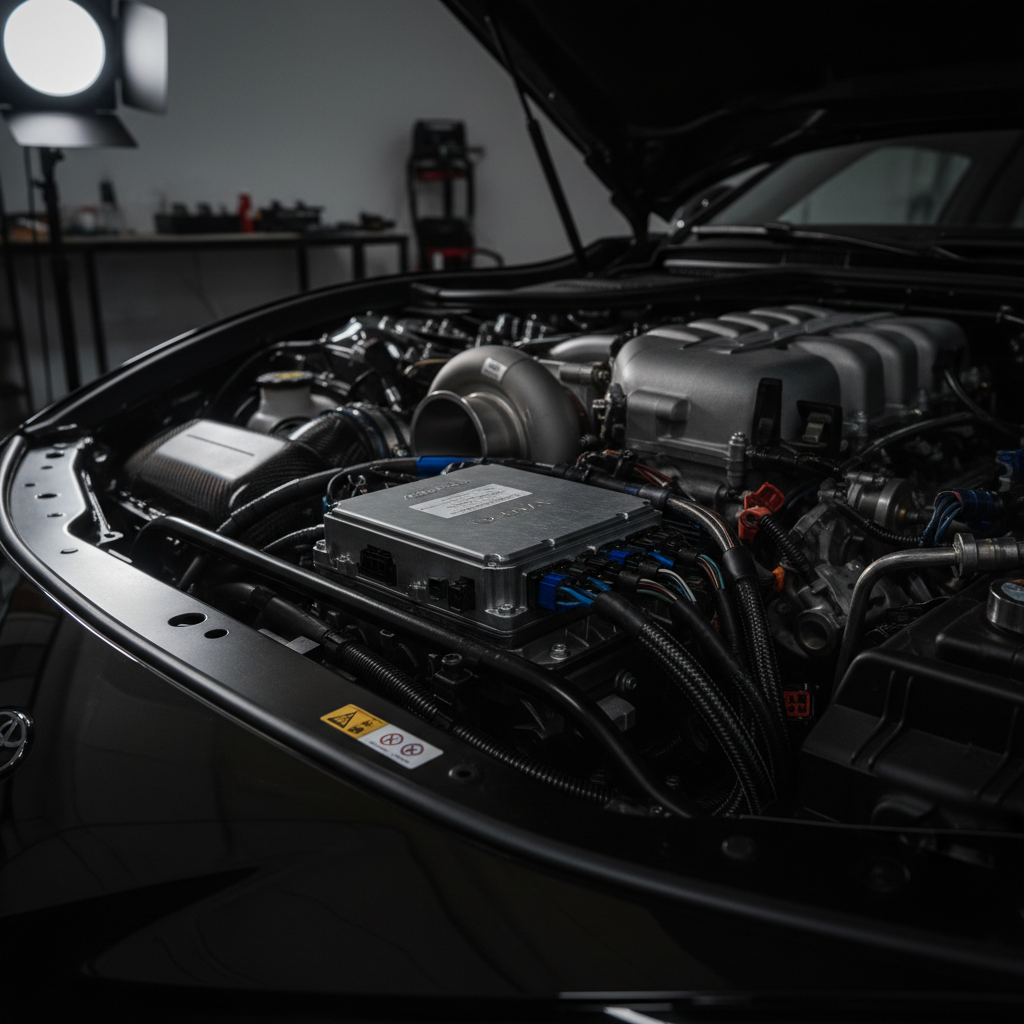
Most Supra owners assume a standalone ECU is mandatory for serious power. Real dyno data shows the stock ECU with piggyback tuning often delivers smoother power delivery and nearly identical numbers for Stage 2 builds.
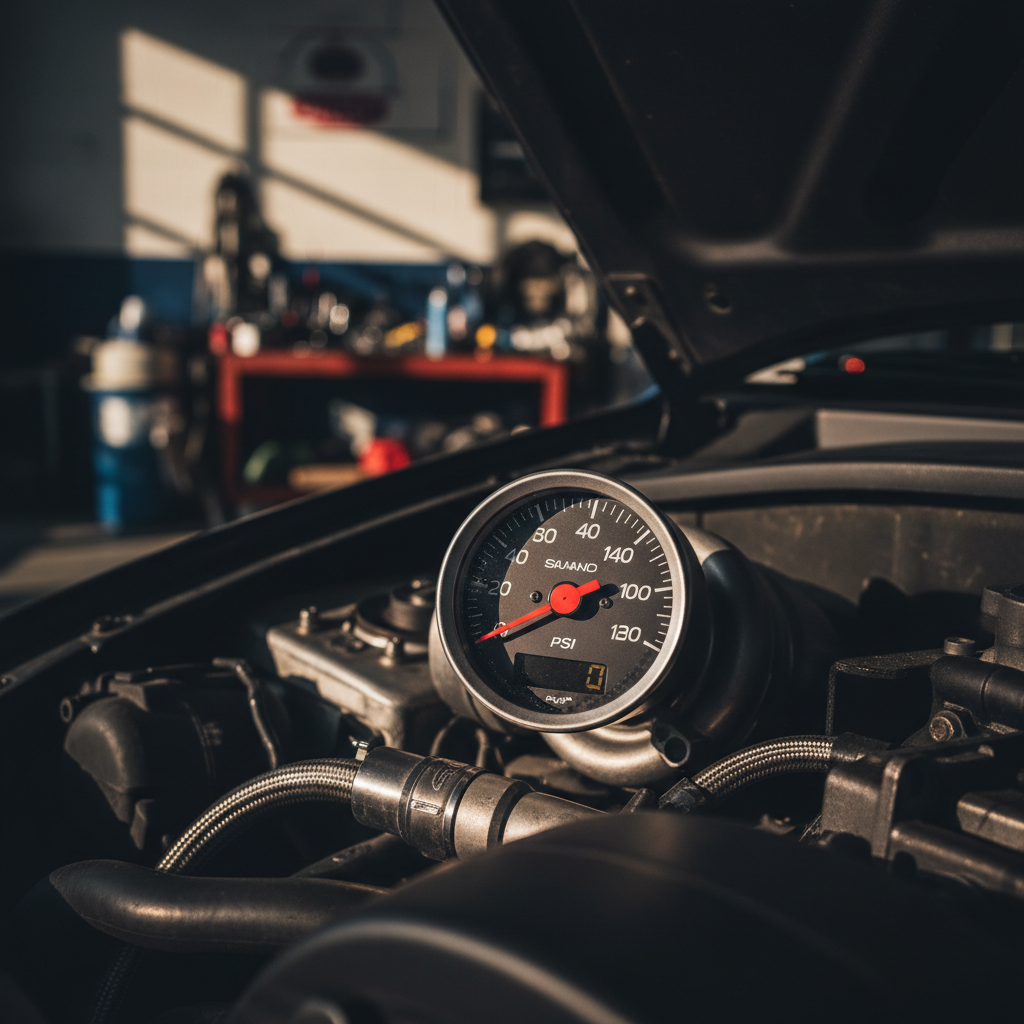
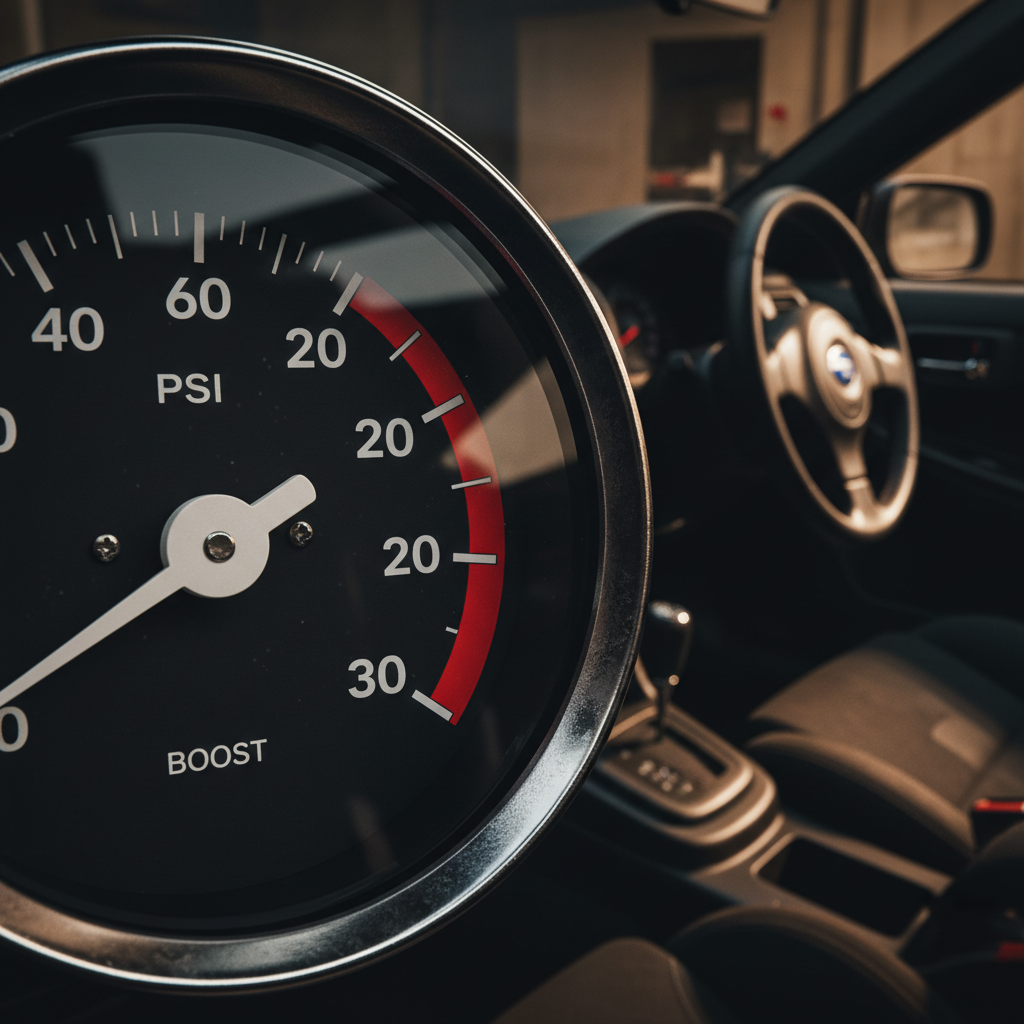
Boost creep diagnosis on Stage 2+ WRXs comes down to three critical datalog parameters that most owners check in the wrong order. Here's how to read your logs to identify the real culprit before you start throwing parts at the problem.
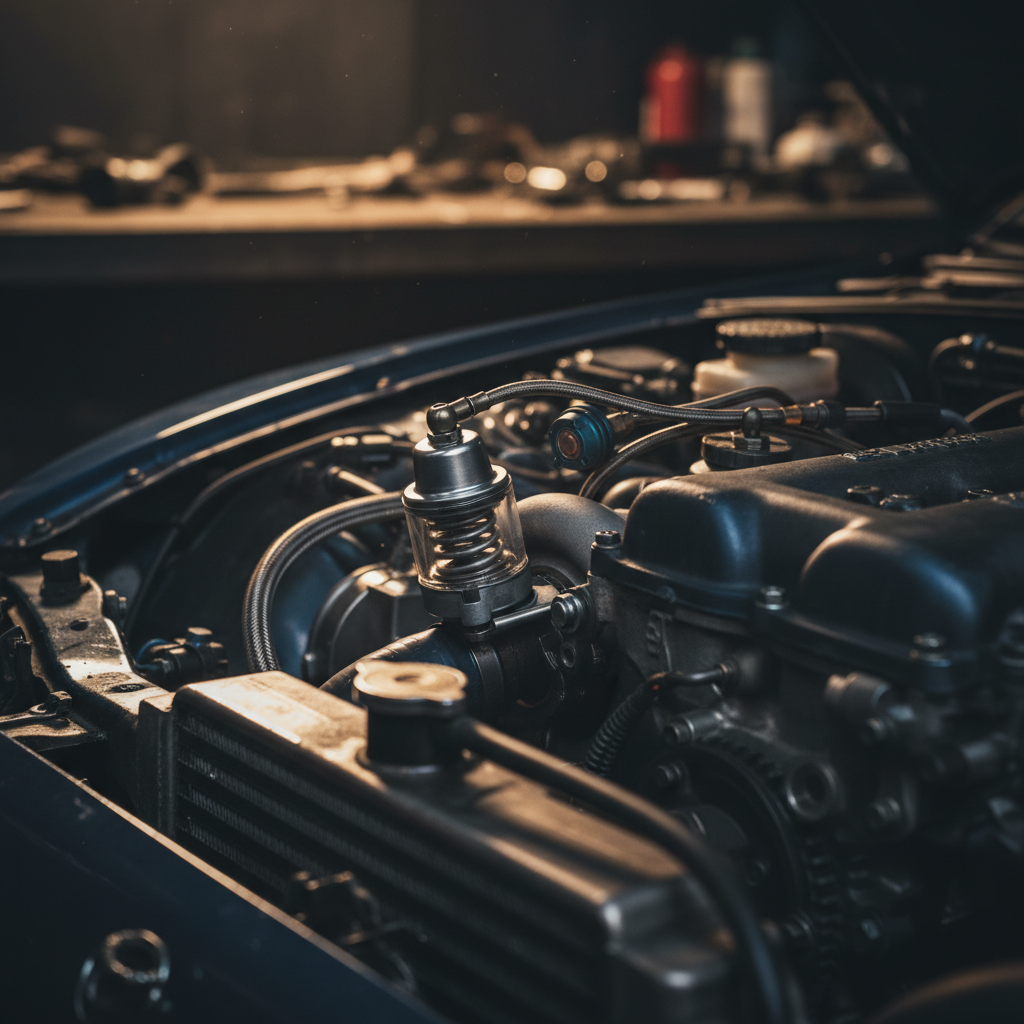
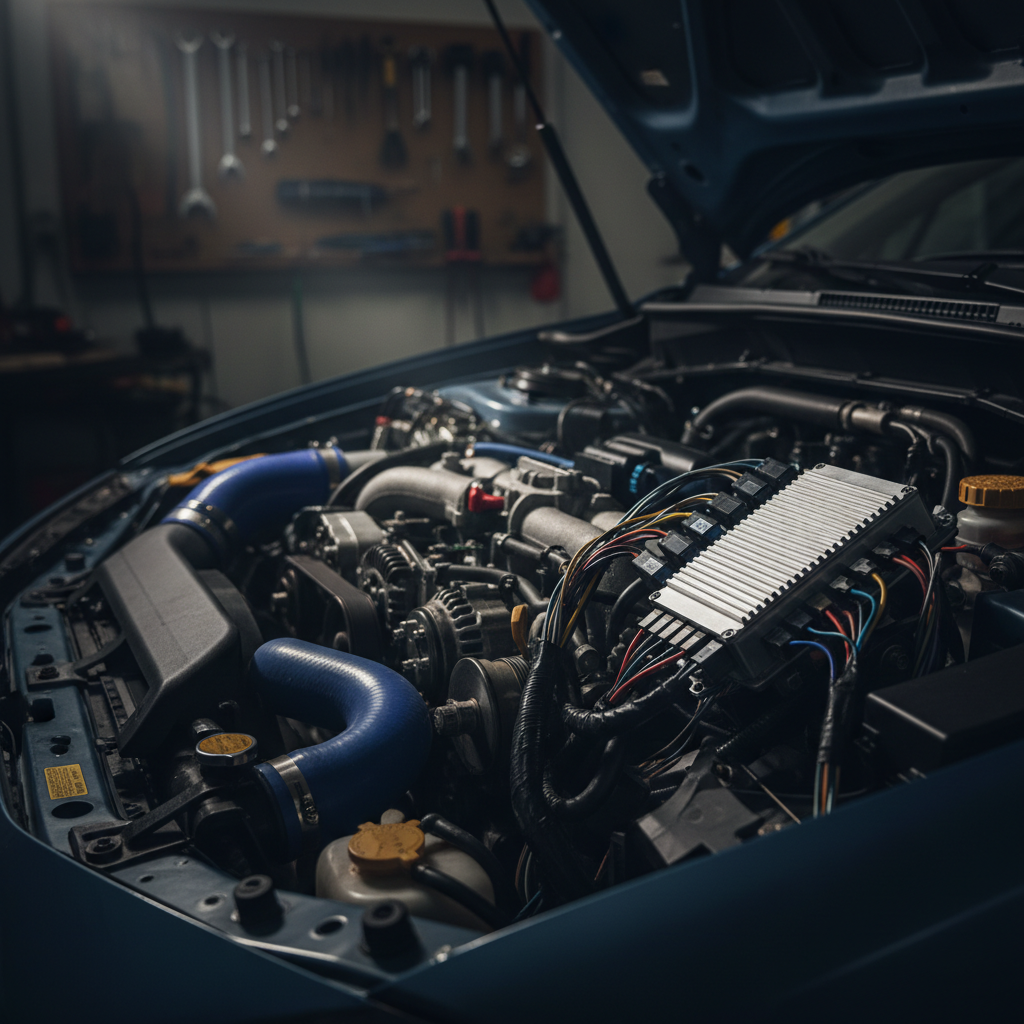
Most turbo Miata builds grenade because owners ignore wastegate actuator preload, causing dangerous overboost spikes under load. Your boost control setup matters more than peak power numbers.
Most enthusiasts chase the biggest intercooler they can fit, but the data tells a different story. Placement and airflow design consistently trump raw size when it comes to actual power gains.
Your new front-mount intercooler is working perfectly, dropping intake temps 8-11°C below your old setup. The problem is your ECU is still running a tune calibrated for warmer, less dense air.
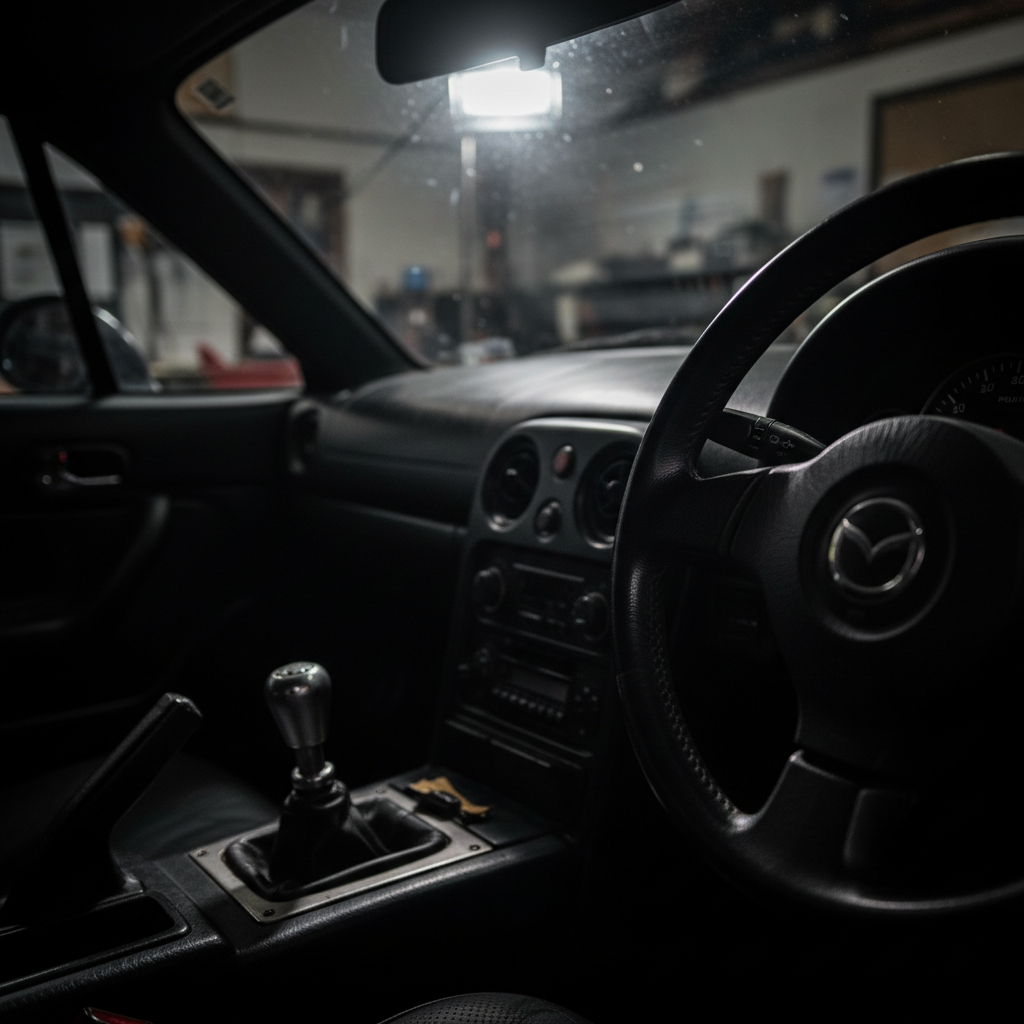
Your MX-5 turbo hits target boost smoothly at 3000 RPM but oscillates wildly at 6000 RPM because your PID controller can't handle changing exhaust flow dynamics. The solution isn't more aggressive tuning, it's understanding why single PID gains fail across the RPM range.
That new front-mount intercooler might be sabotaging your boost control. Better cooling creates denser air, more backpressure, and boost creep past your wastegate spring pressure.