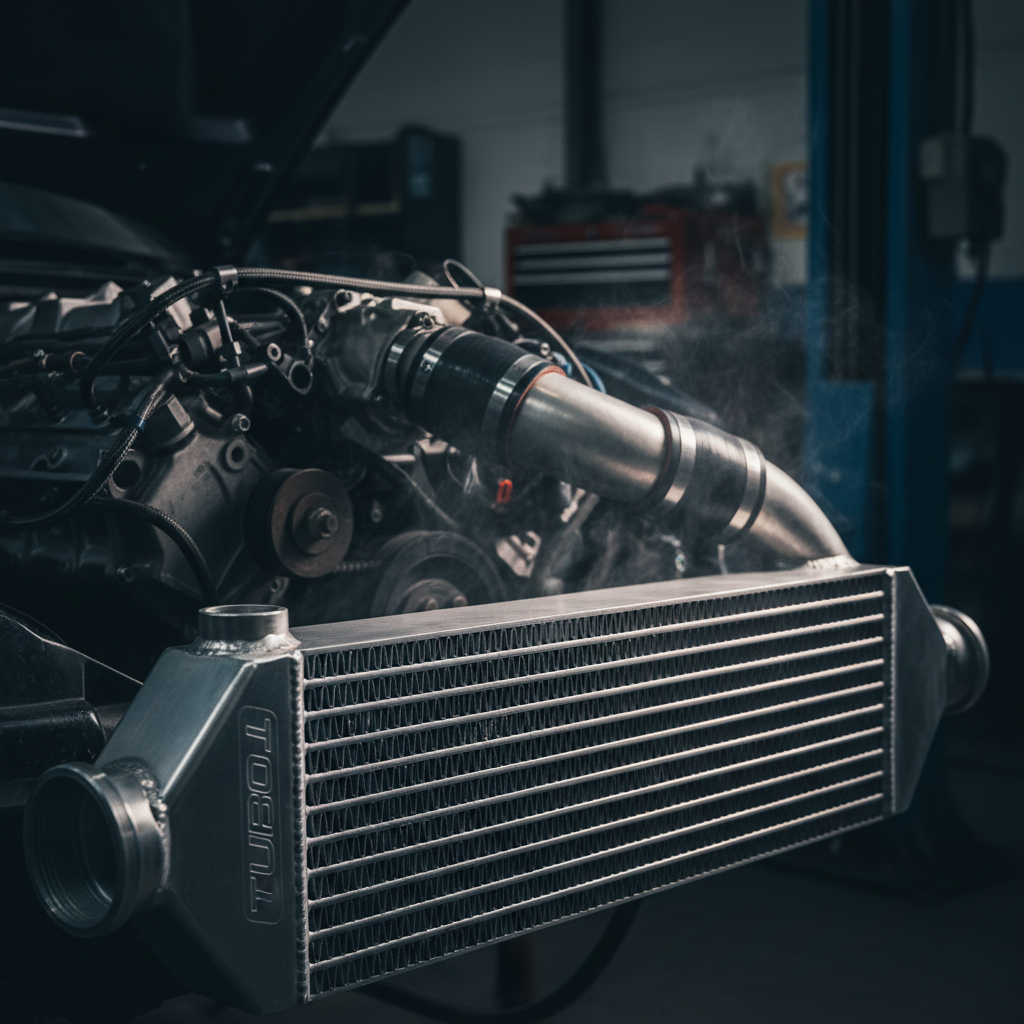
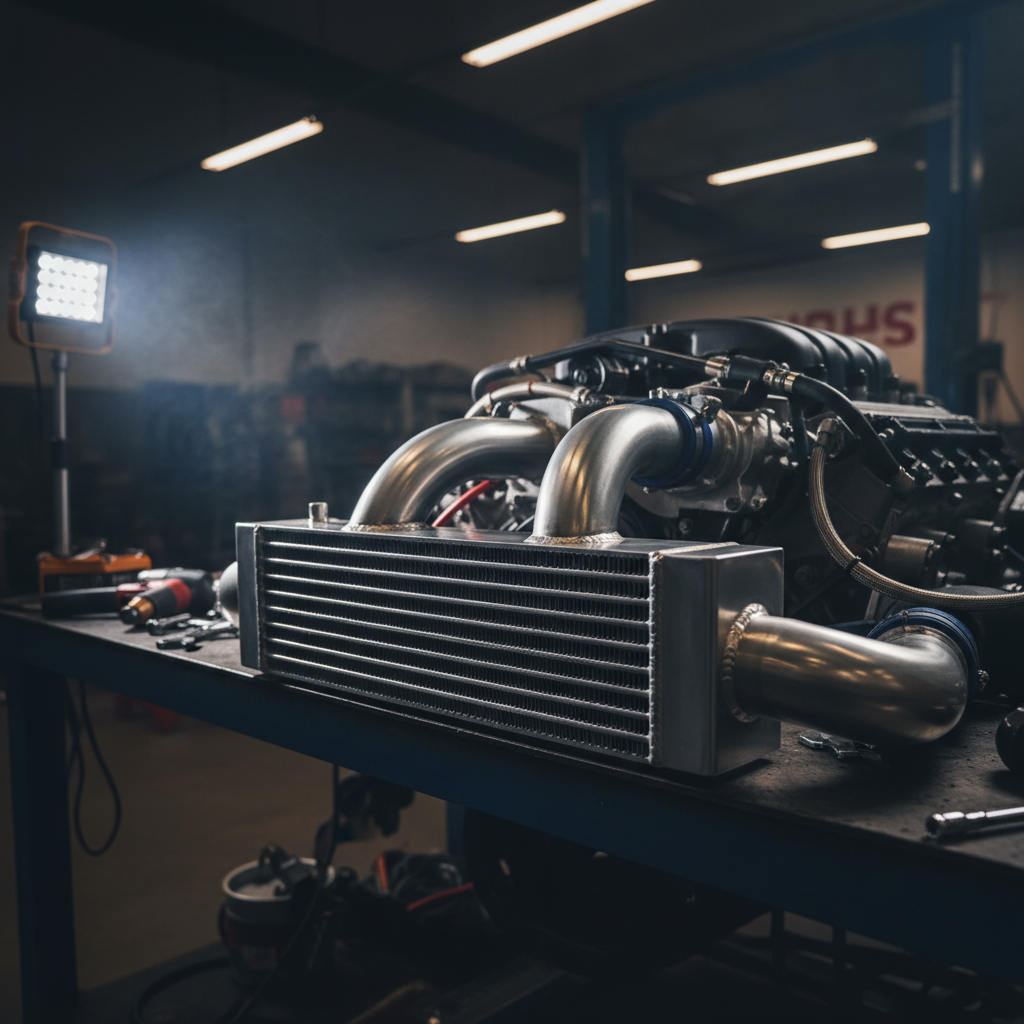
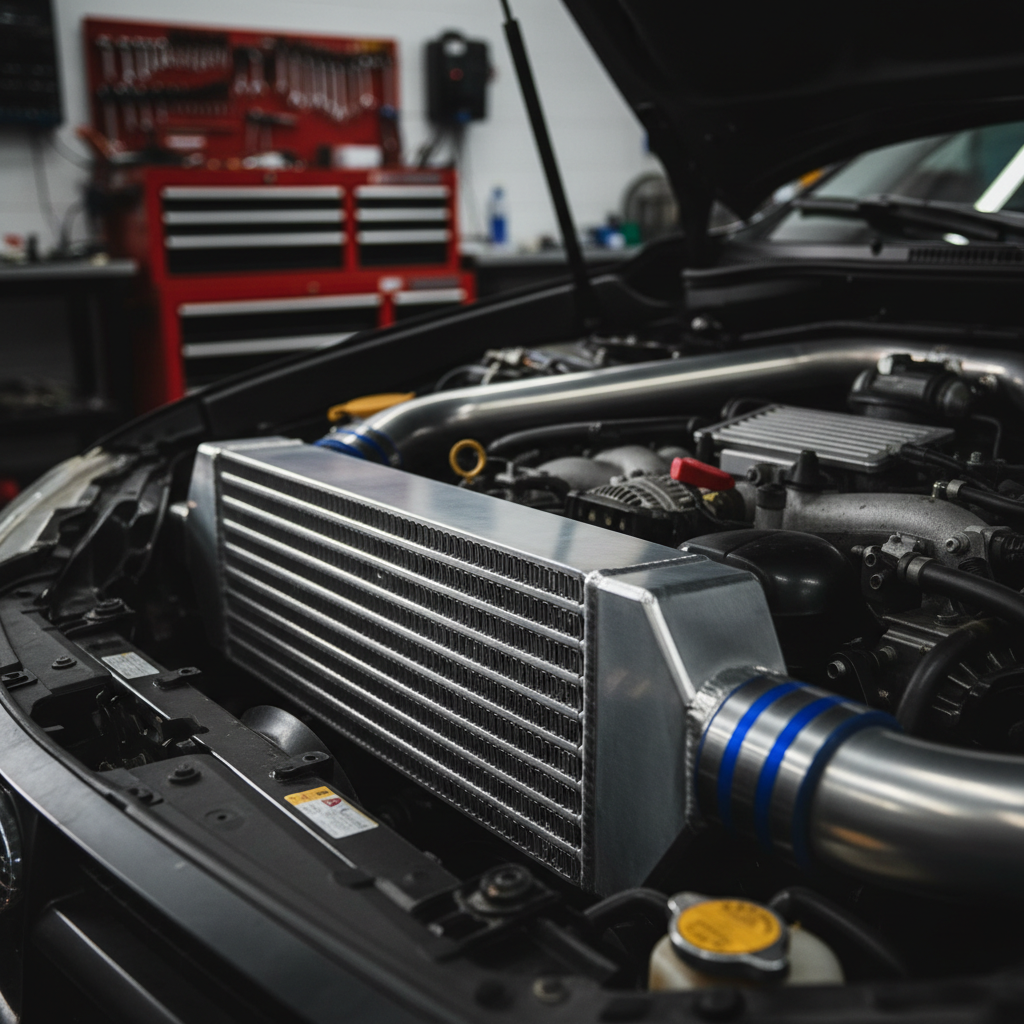
Your intercooler hit 380hp on the first dyno pull, but dropped to 340hp by the third. Heat soak isn't just losing power, it's killing consistency when you actually need it.
That €800 intercooler upgrade shows impressive dyno numbers, but your IAT logs tell a different story after 15 minutes of hard driving. Heat soak physics don't care about your modification budget.
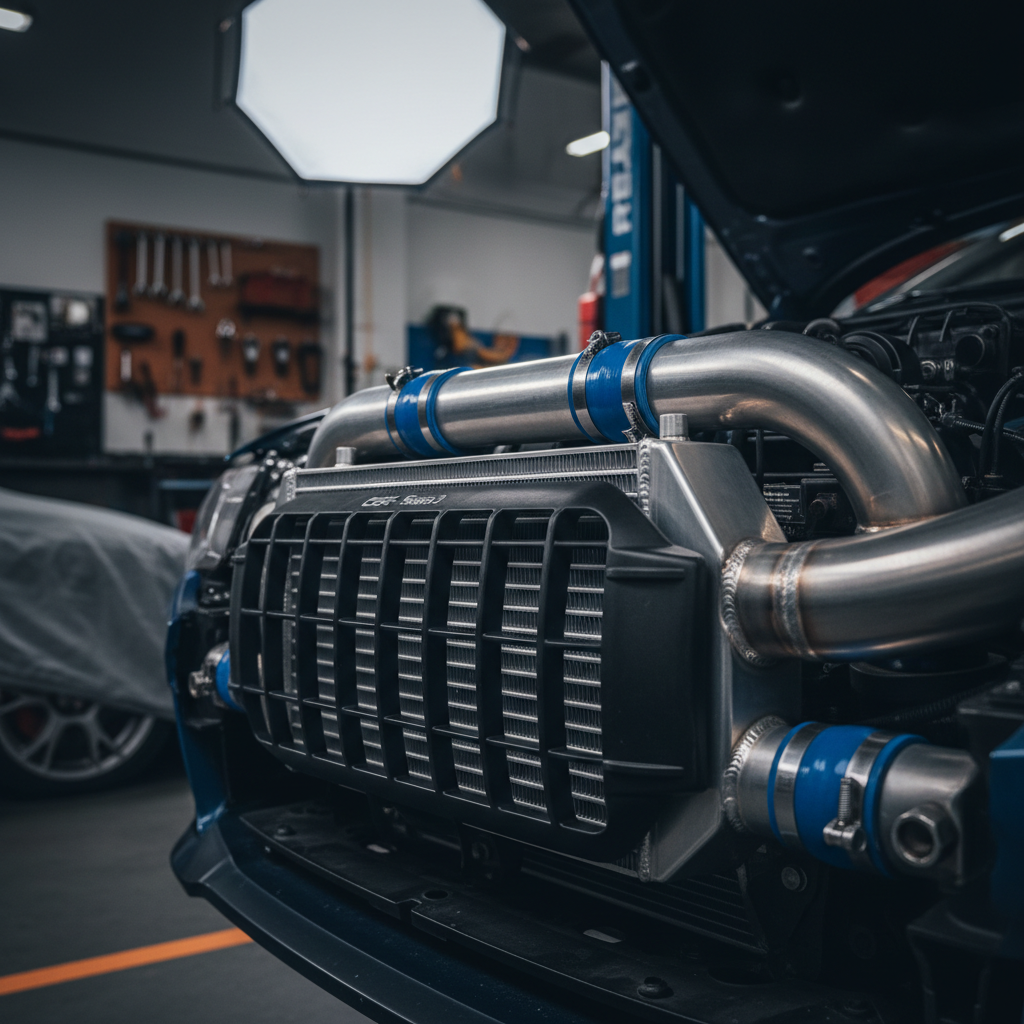
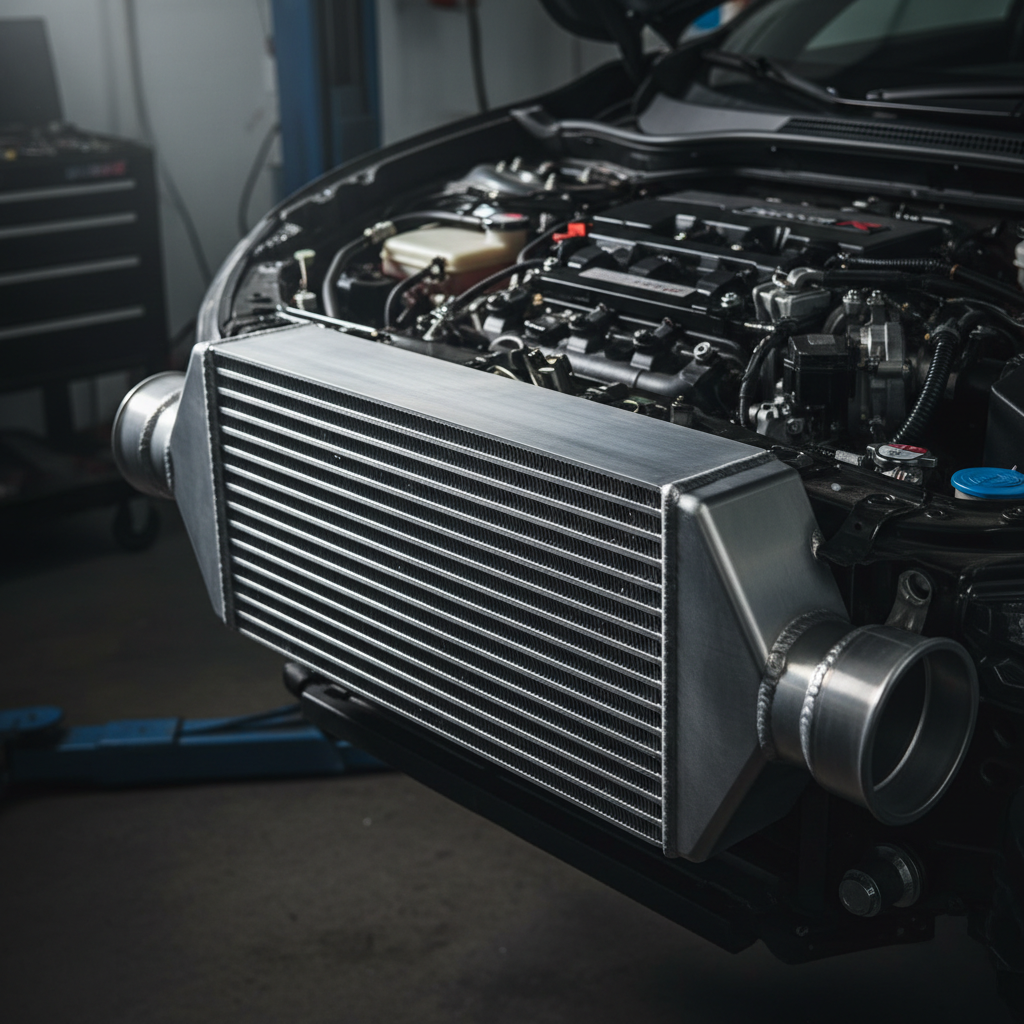
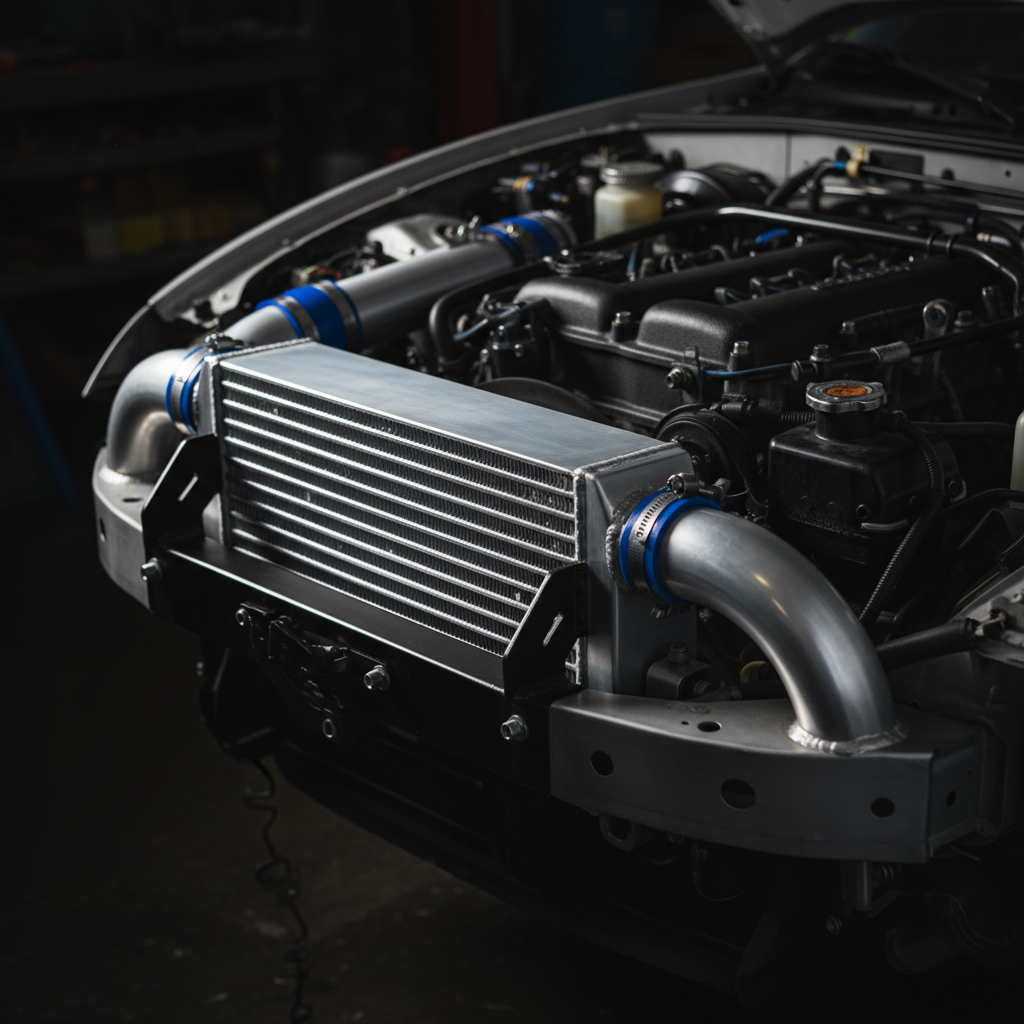
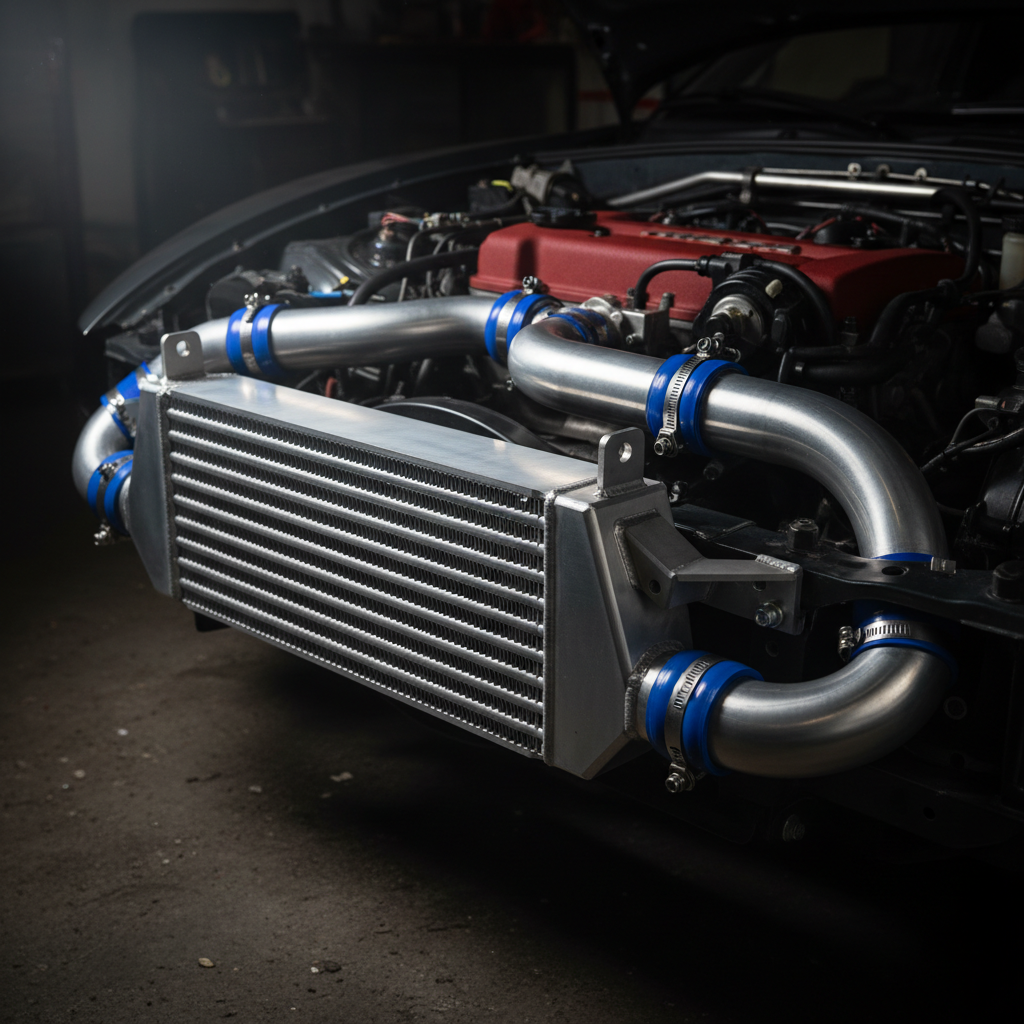
Most enthusiasts chase the biggest intercooler they can fit, but the data tells a different story. Placement and airflow design consistently trump raw size when it comes to actual power gains.
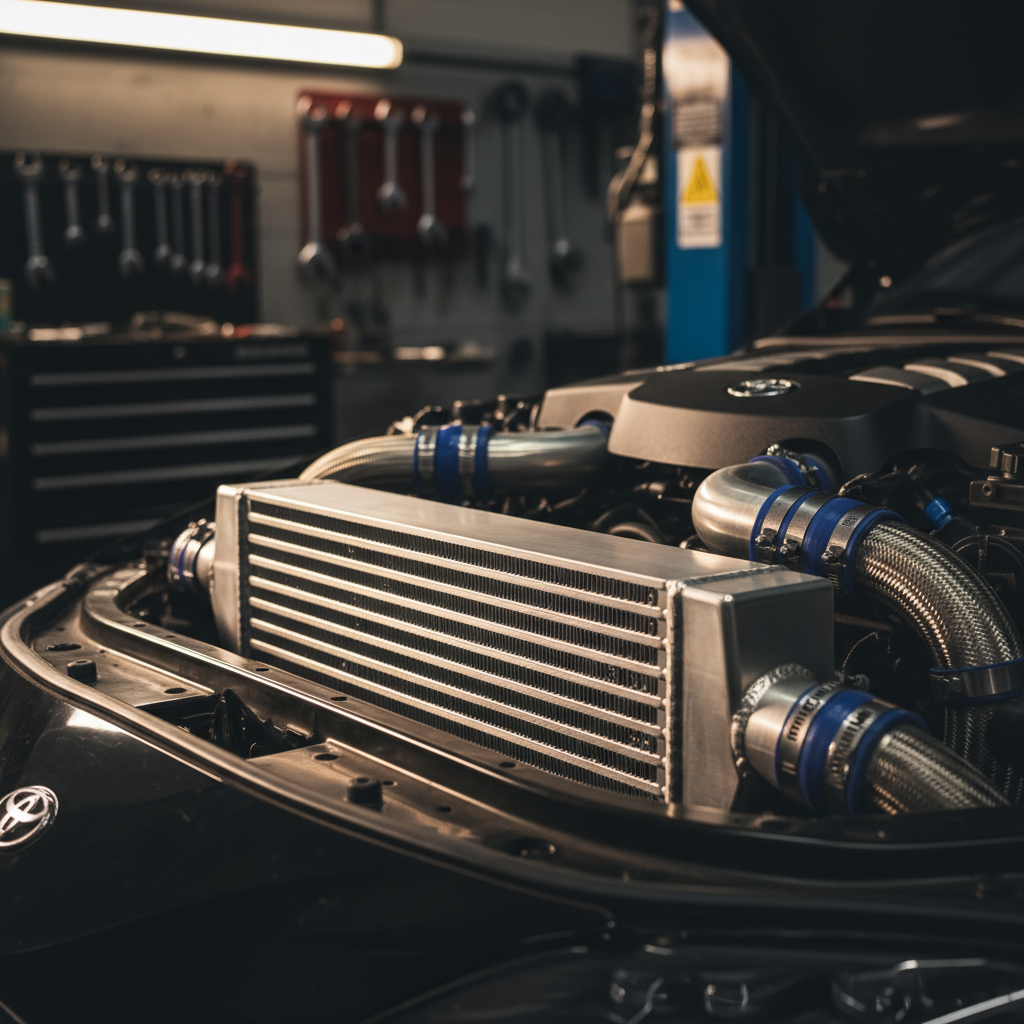
Your new front-mount intercooler is working perfectly, dropping intake temps 8-11°C below your old setup. The problem is your ECU is still running a tune calibrated for warmer, less dense air.
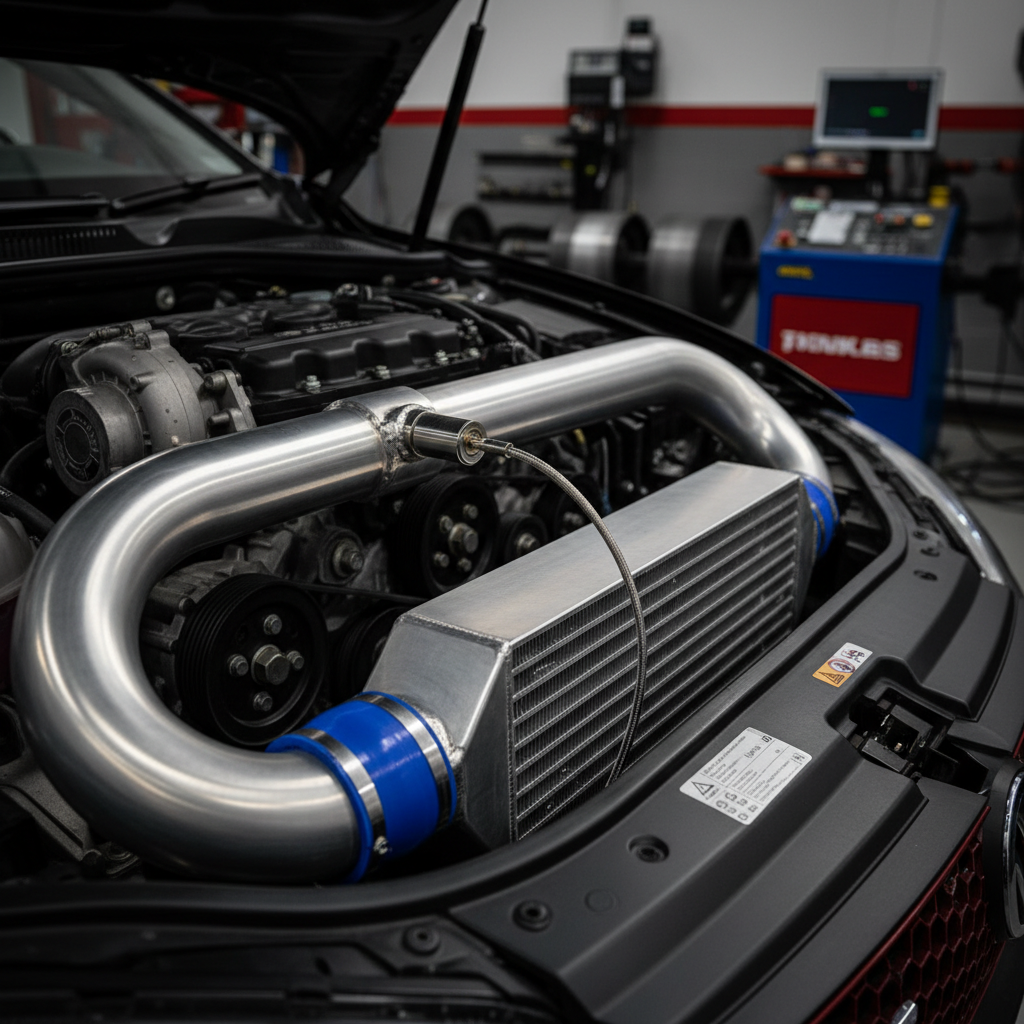
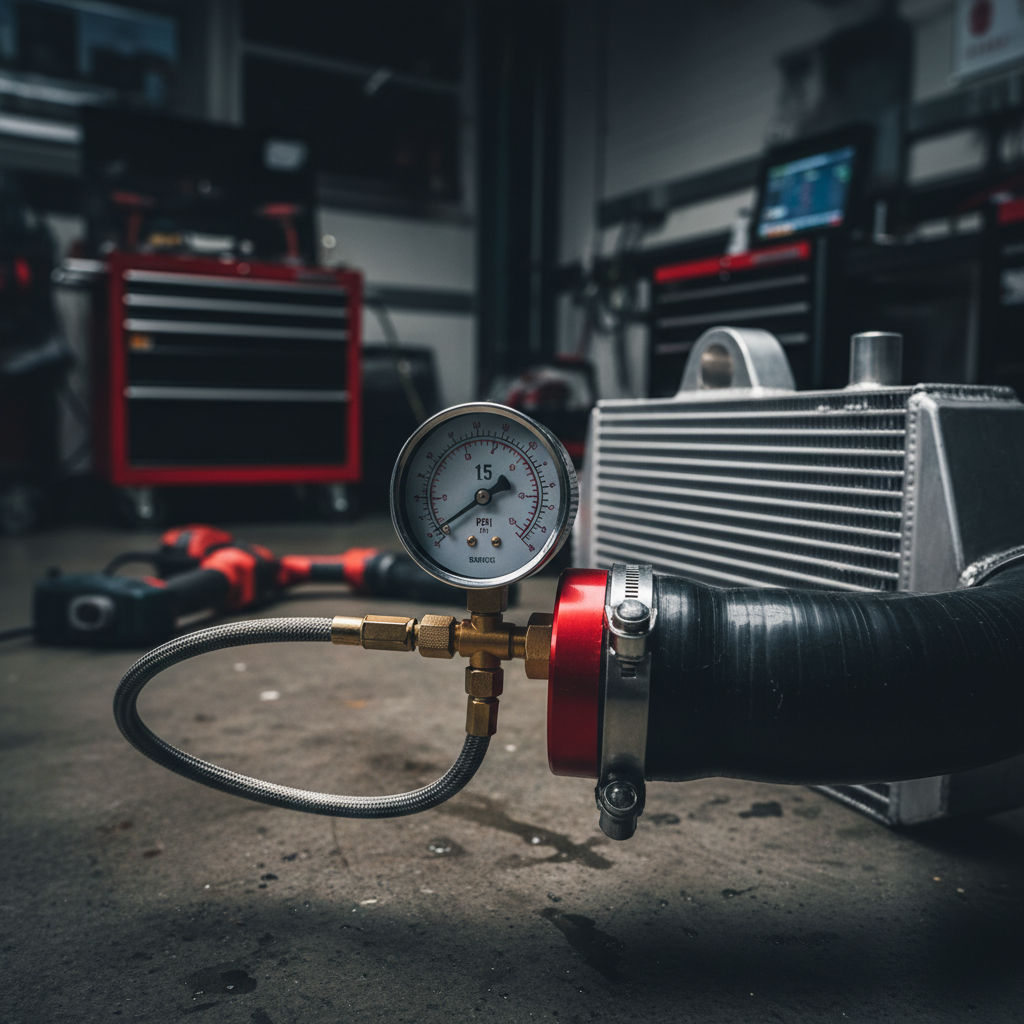
A simple boost leak can cost you 50hp and trigger false knock readings that send your tuning session sideways. Here's the systematic approach professionals use to find every leak before touching the tune.
When two identical A90 Supras with the same intercooler upgrade dyno 50hp apart, your IAT sensors hold the answer. Peak power numbers miss the thermal efficiency story hiding in your datalogs.
That massive front-mount intercooler dropping your charge temps 25°C sounds great until you see the dyno sheet. The real story is in the pressure drop data your tuner should have checked first.
That massive front-mount intercooler is destroying your turbo Miata's response time and heat management. Core volume matters more than surface area when it comes to real-world driving performance.
A bigger intercooler should mean more power, but Miata owners regularly see 10-15whp losses after upgrades on stock tunes. The culprit is timing retard triggered by MAP sensor readings the ECU wasn't calibrated for.
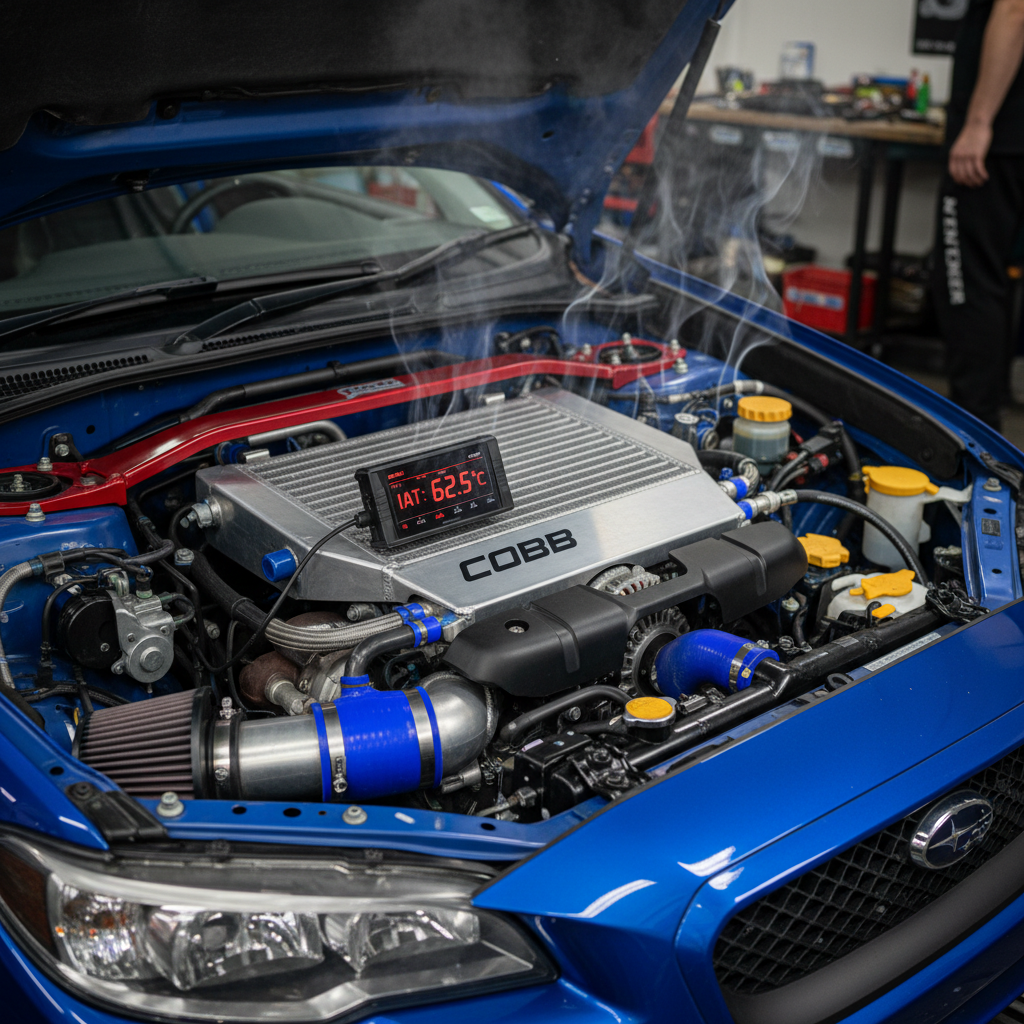
That mysterious knock in your Stage 2+ WRX isn't your tune going bad or bad fuel—it's intercooler heat soak creating detonation conditions. Here's what your data logs are actually telling you.