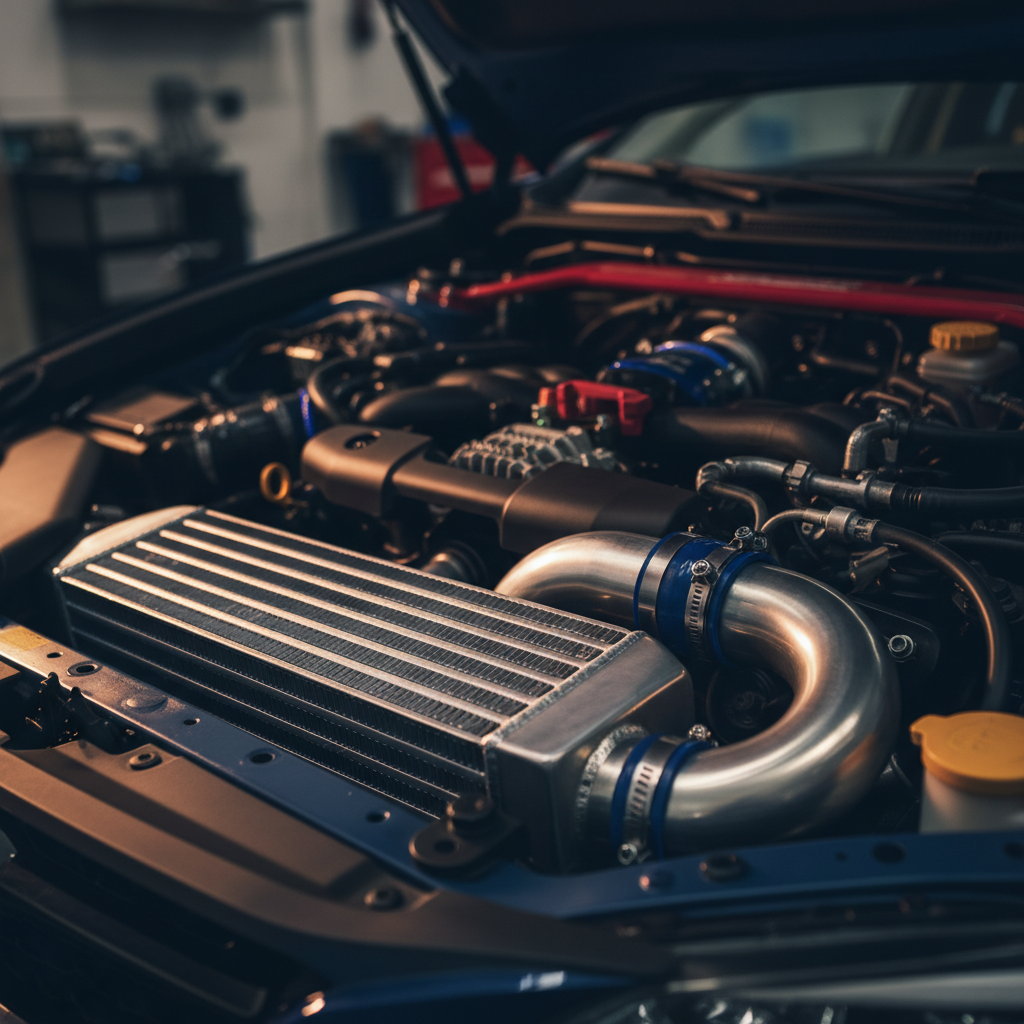
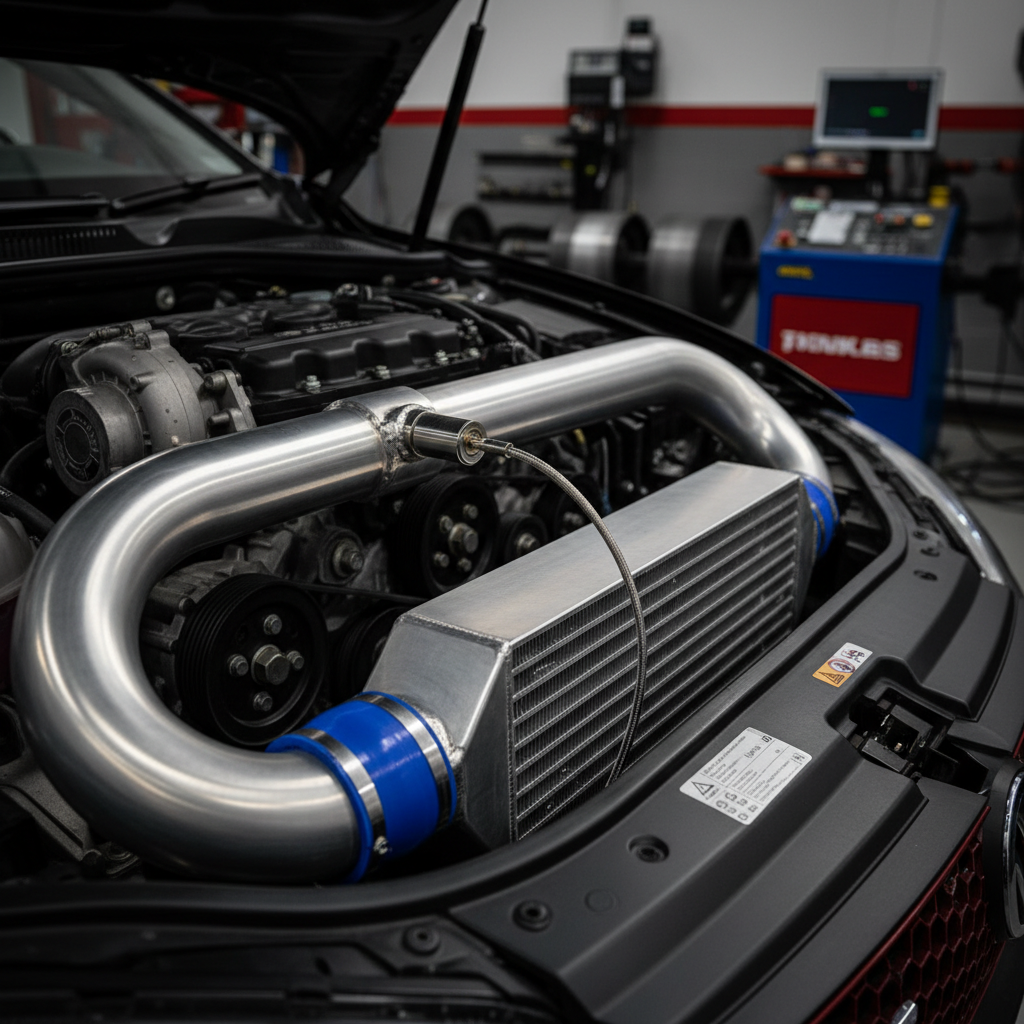
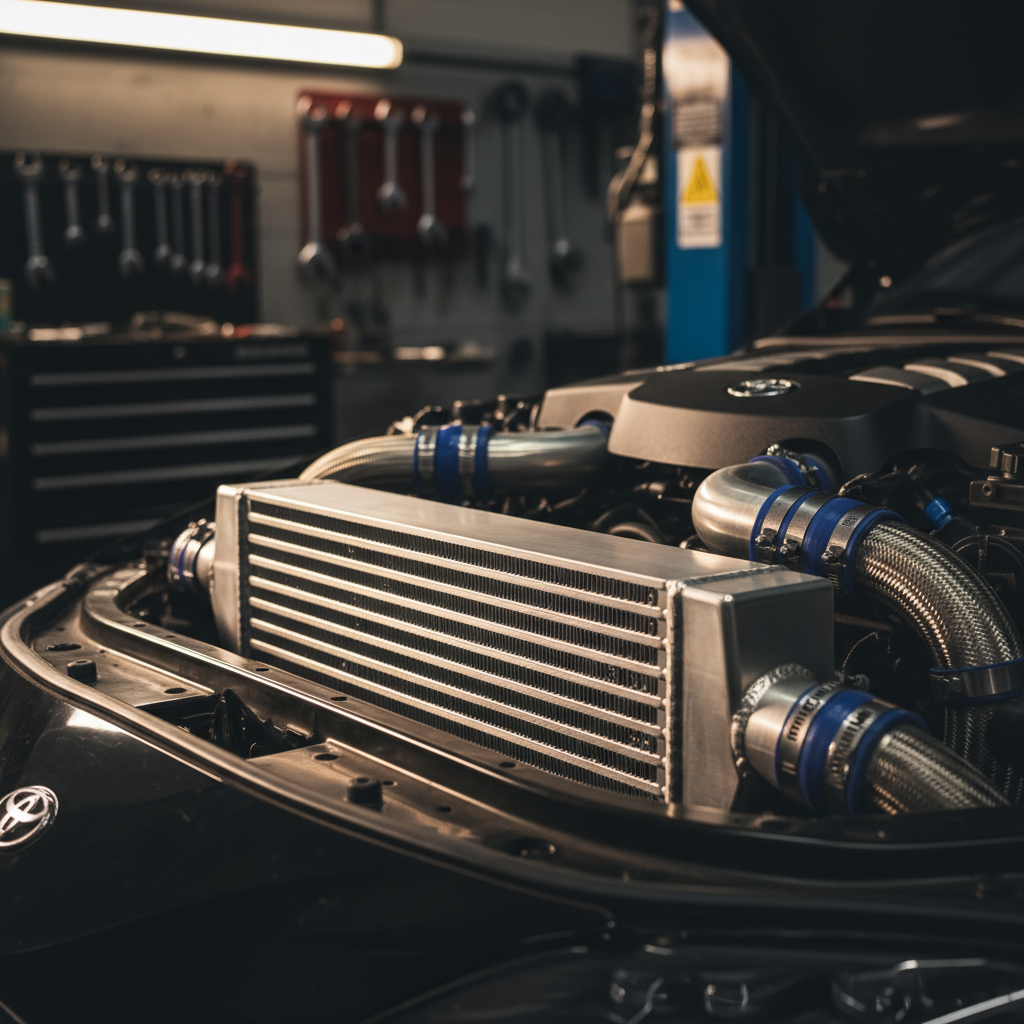
Your new front mount intercooler might be costing you 15-20 whp. The pressure drop characteristics changed, but your ECU is still mapping for the stock system.
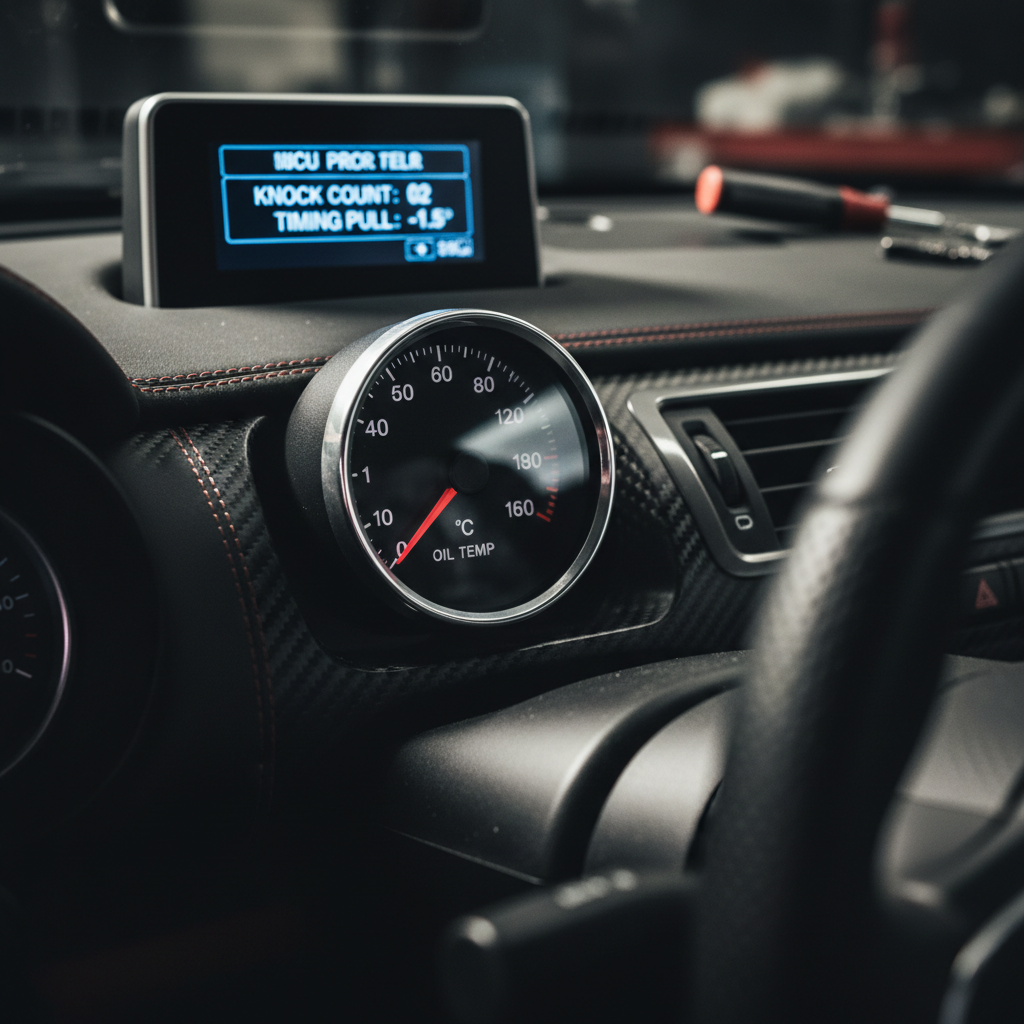
Your knock threshold drops from -6 to -11 when ambient temps hit 35°C. That intercooler upgrade means nothing if your ECU is pulling 4° of timing to prevent knock.
That smooth E85 pull that felt amazing? Your knock sensor logged 47 events and pulled 8 degrees of timing. Here's why your butt dyno lies when fuel economics drive octane choices.
That first warm spring drive feels amazing until you check your knock logs. Your ECU just recorded 47 knock events because last year's tune is fighting this year's atmospheric conditions.
That €800 intercooler upgrade shows impressive dyno numbers, but your IAT logs tell a different story after 15 minutes of hard driving. Heat soak physics don't care about your modification budget.
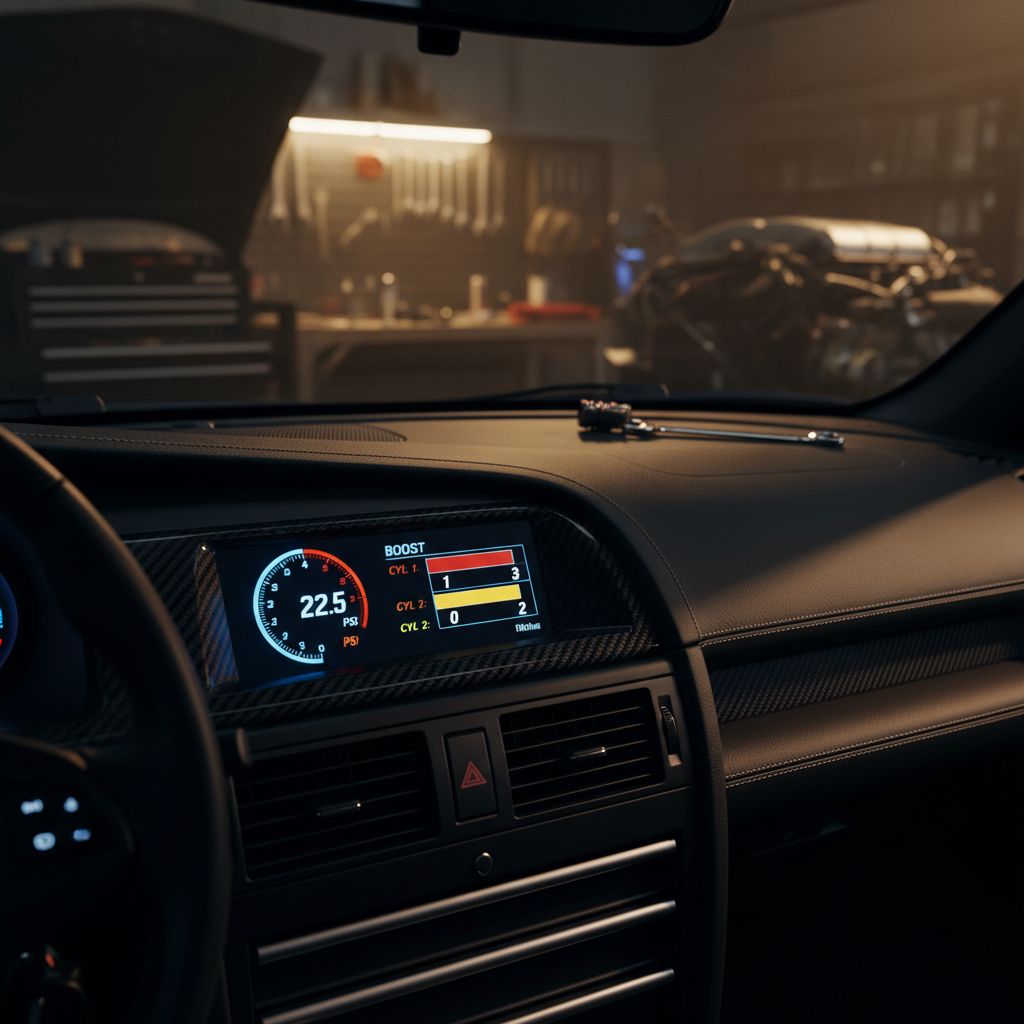
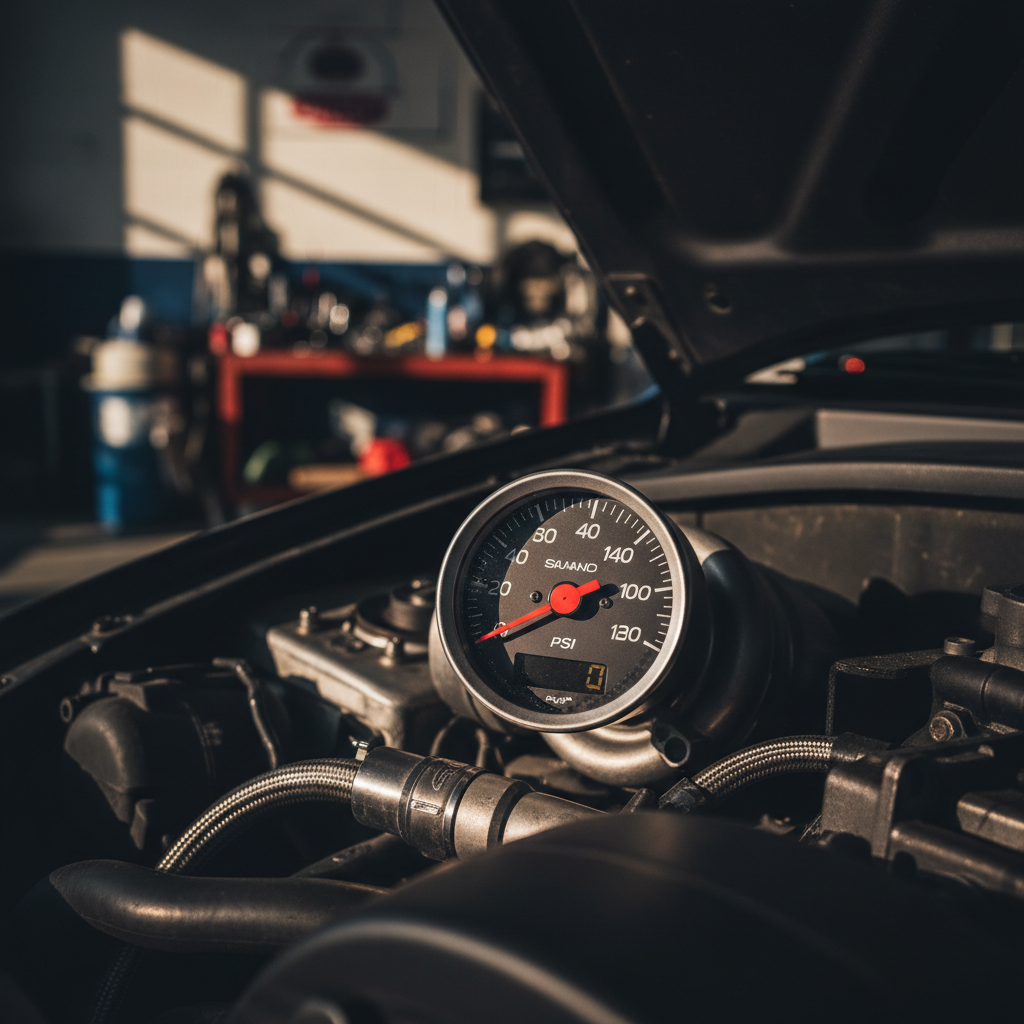
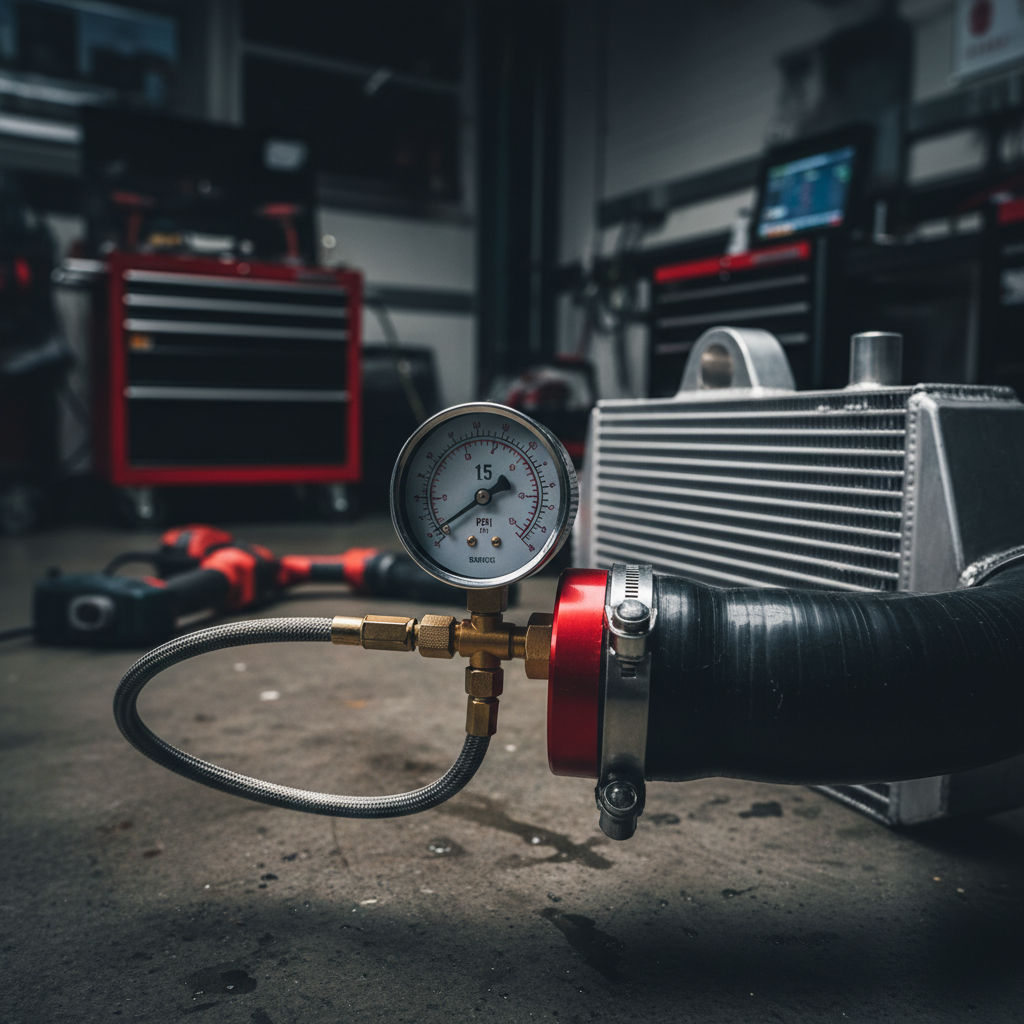
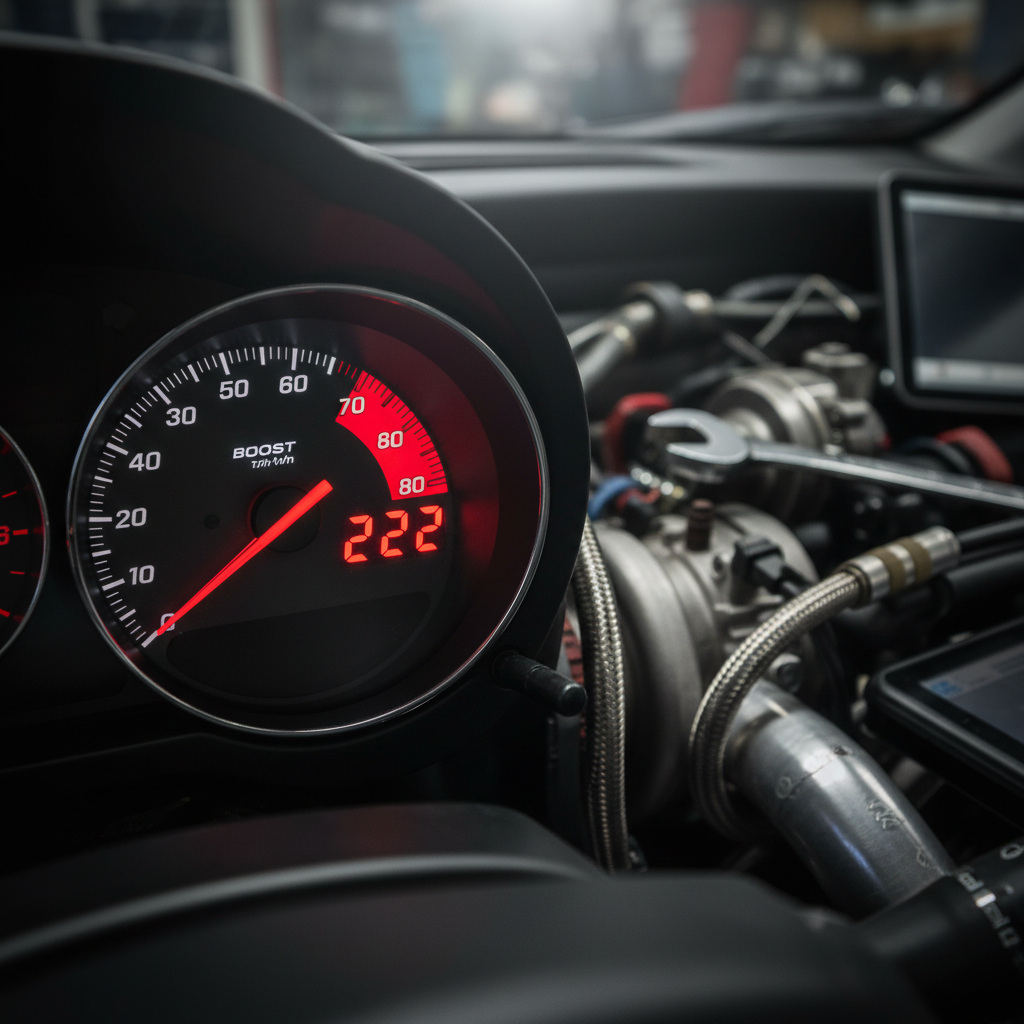
A simple boost leak can cost you 50hp and trigger false knock readings that send your tuning session sideways. Here's the systematic approach professionals use to find every leak before touching the tune.
When two identical A90 Supras with the same intercooler upgrade dyno 50hp apart, your IAT sensors hold the answer. Peak power numbers miss the thermal efficiency story hiding in your datalogs.
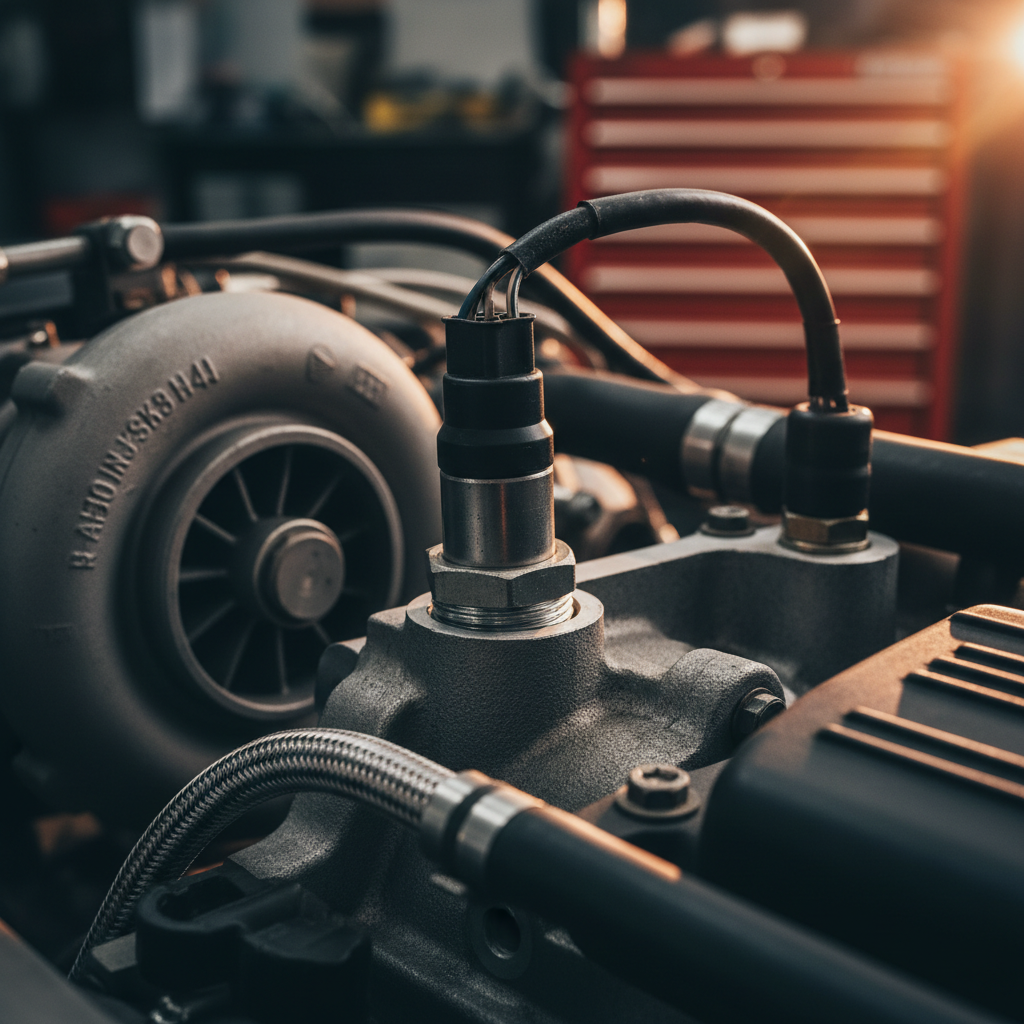
Your knock sensor catches the obvious stuff, but three critical timing patterns only show up in extended datalogging. Missing these patterns is how motors get grenaded on seemingly safe tunes.
Stage 2 WRX owners know the fear: random boost spikes that shouldn't happen. Three specific sensor readings in your datalog will reveal wastegate actuator failure before catastrophic damage occurs.
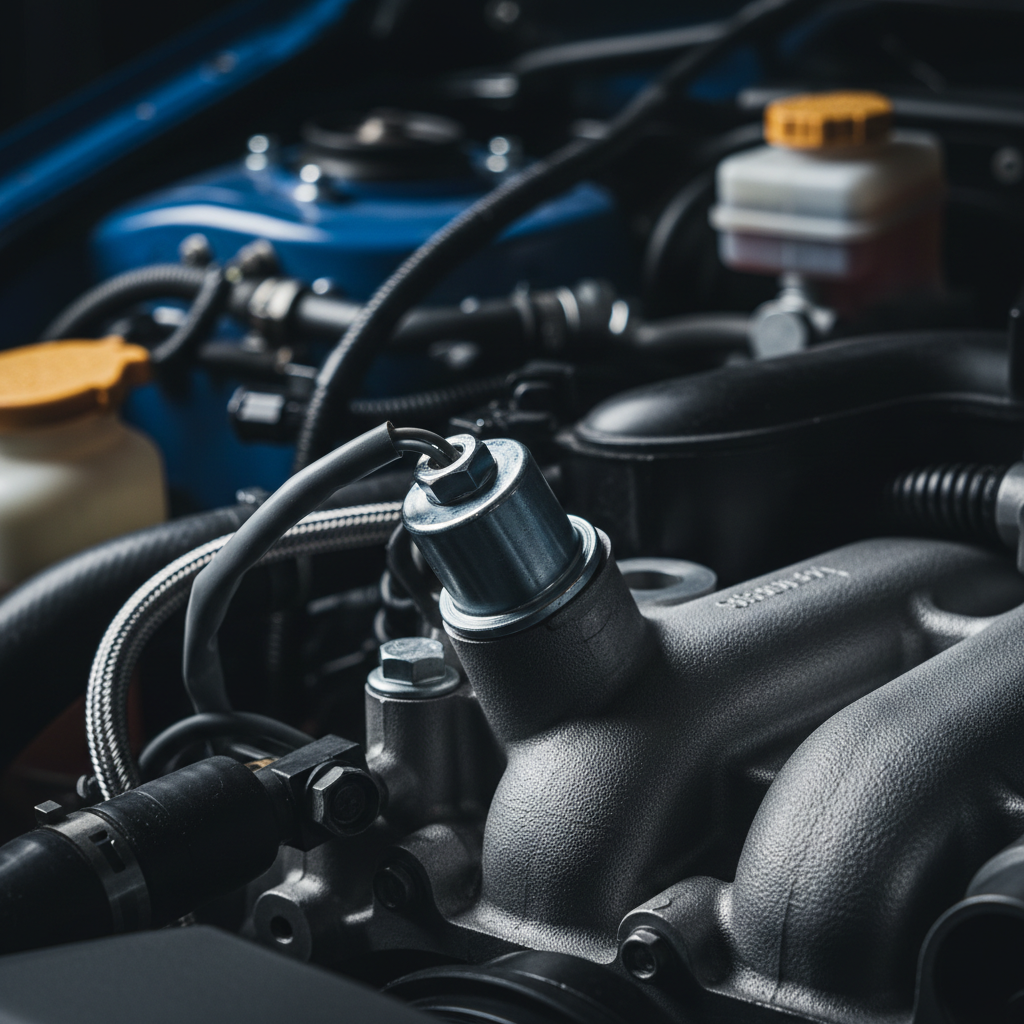
Your WRX STI's knock sensor might be lying to the ECU about phantom knock events, pulling timing and costing you serious power. Real data shows how often these sensors fail without throwing codes.