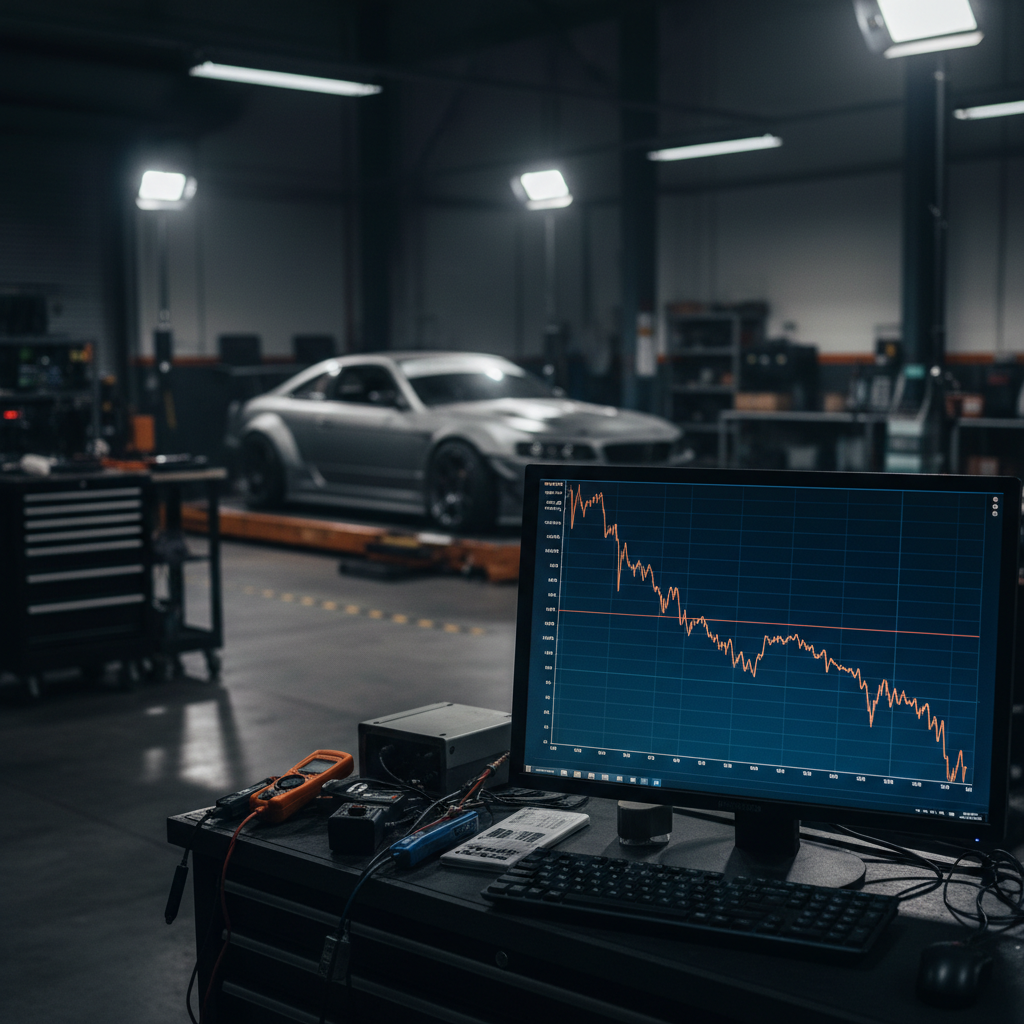
Switching from winter to performance tunes creates hidden AFR spikes that can destroy engines in minutes. The datalog evidence shows why most seasonal tune transitions fail catastrophically.
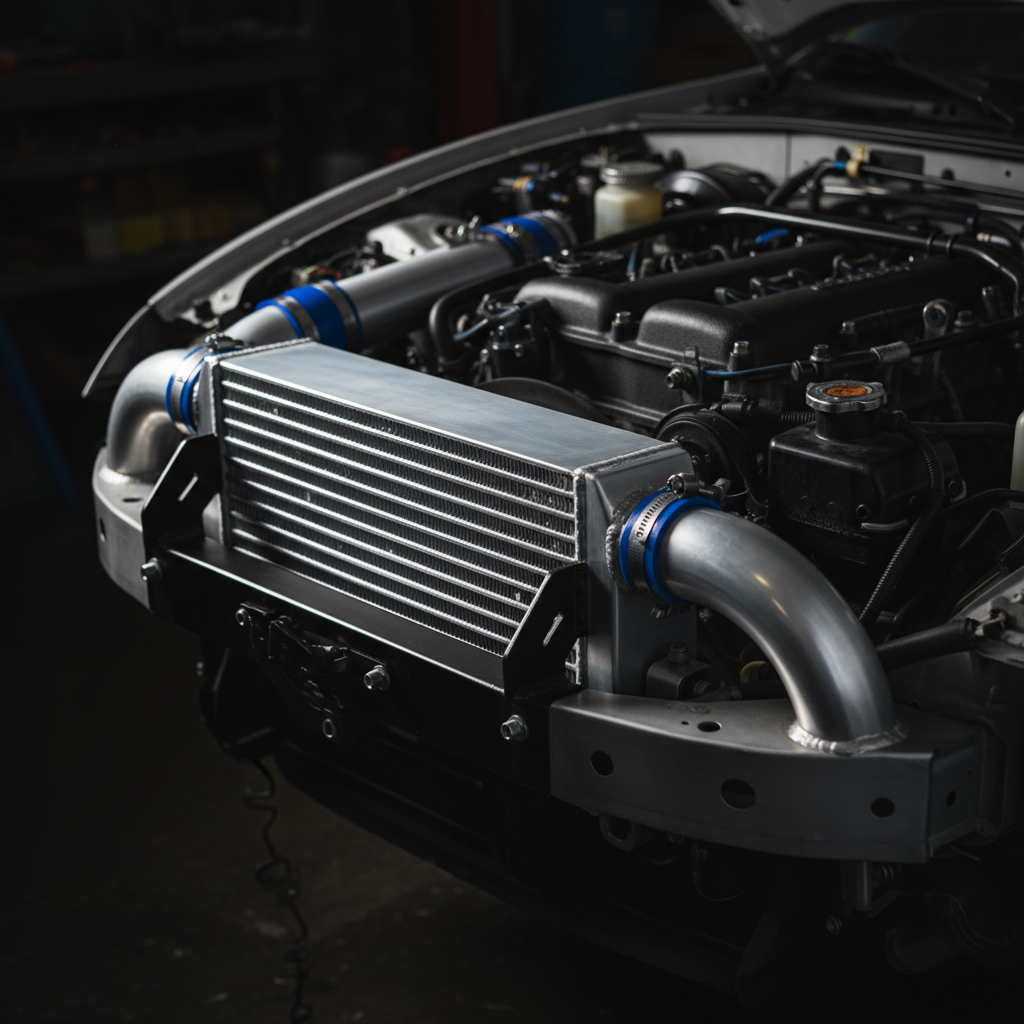
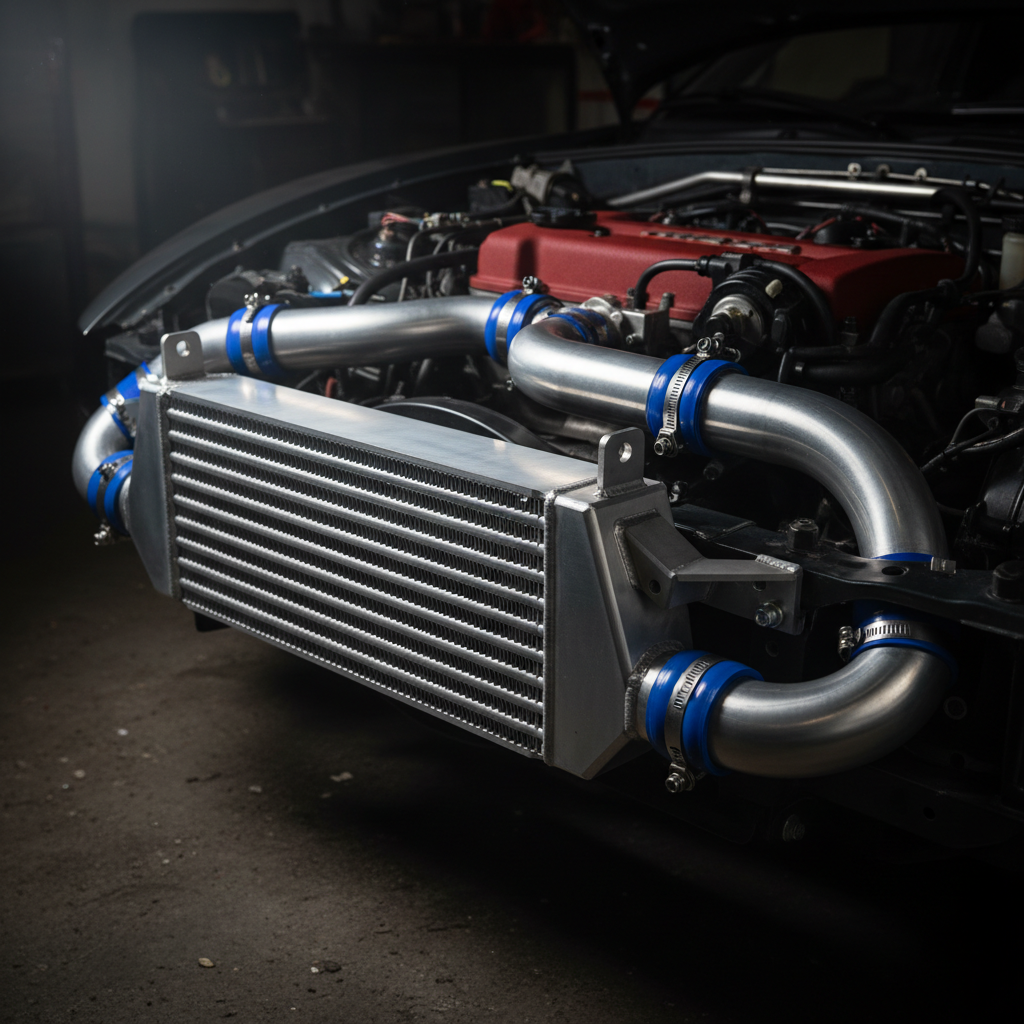
That massive front-mount intercooler is destroying your turbo Miata's response time and heat management. Core volume matters more than surface area when it comes to real-world driving performance.
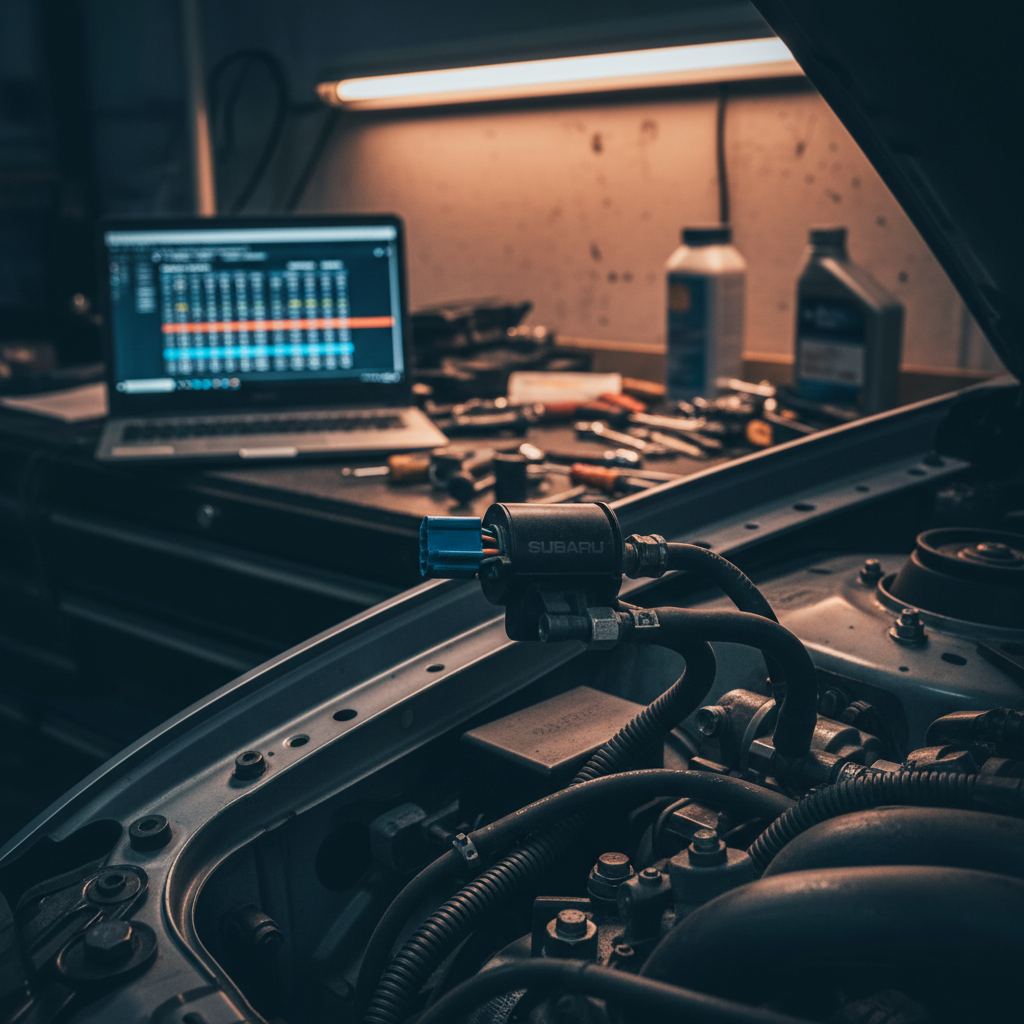
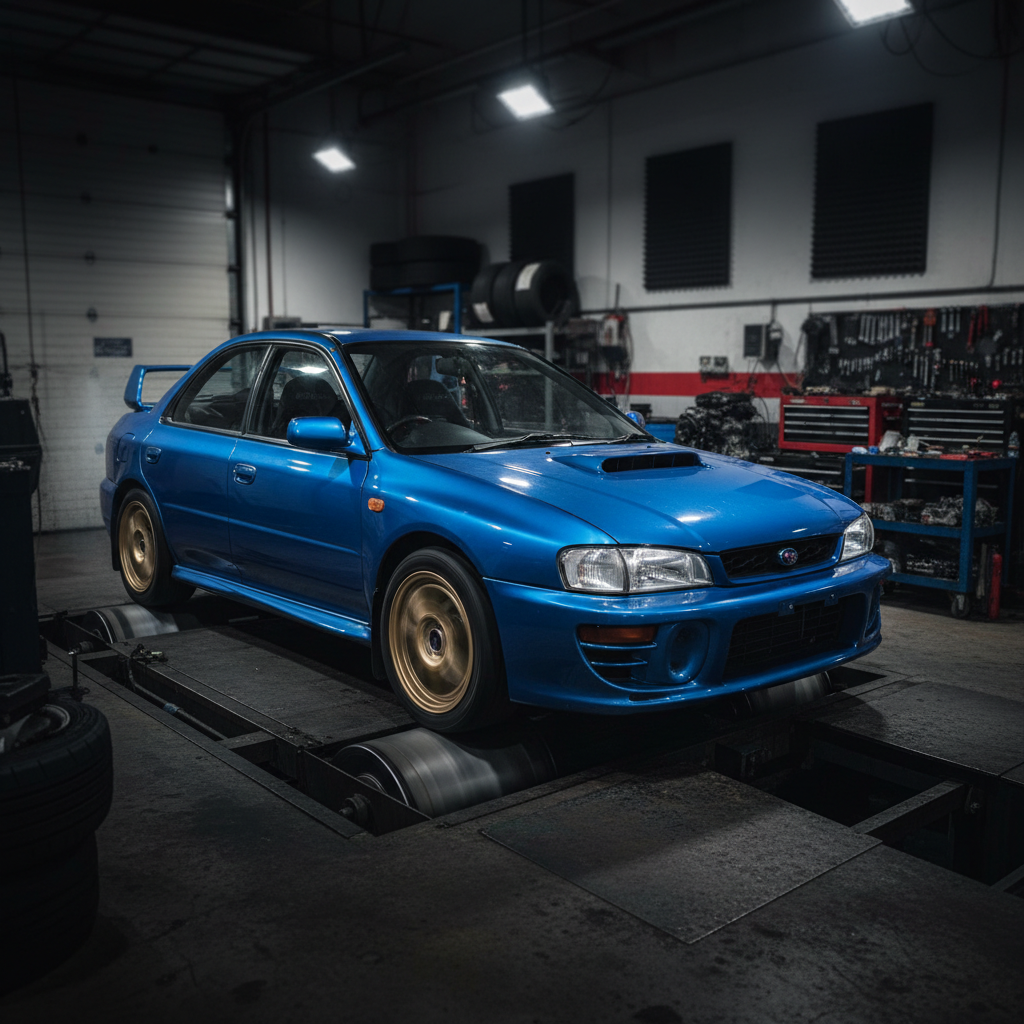
Most Subaru owners chasing boost control issues throw money at wastegates and solenoids when the real problem is in the tune. Your duty cycle tables are probably mapped wrong, and the data will show you exactly what's happening.
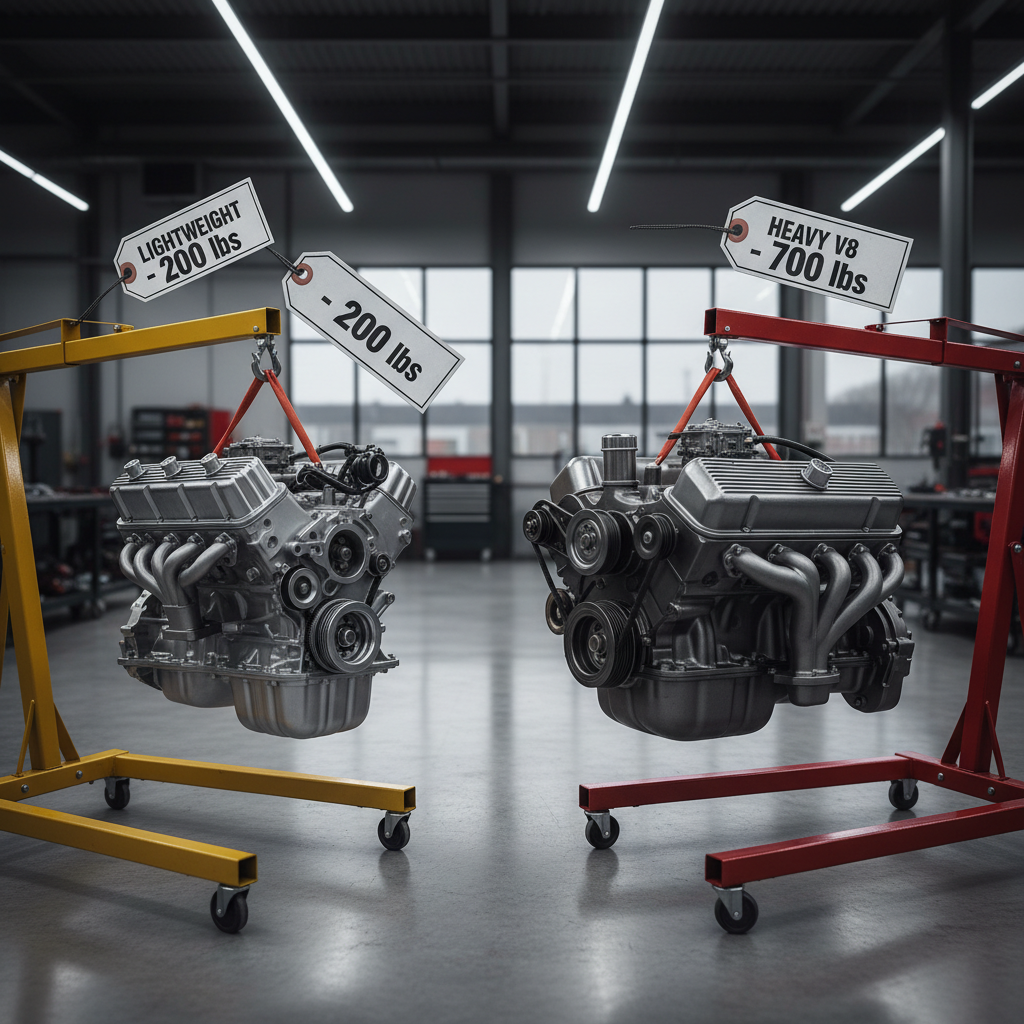
That dream LSX swap might add 400hp, but it also shifts 150lbs forward and destroys your chassis balance. Understanding weight distribution through data analysis prevents expensive handling disasters.
A bigger intercooler should mean more power, but Miata owners regularly see 10-15whp losses after upgrades on stock tunes. The culprit is timing retard triggered by MAP sensor readings the ECU wasn't calibrated for.
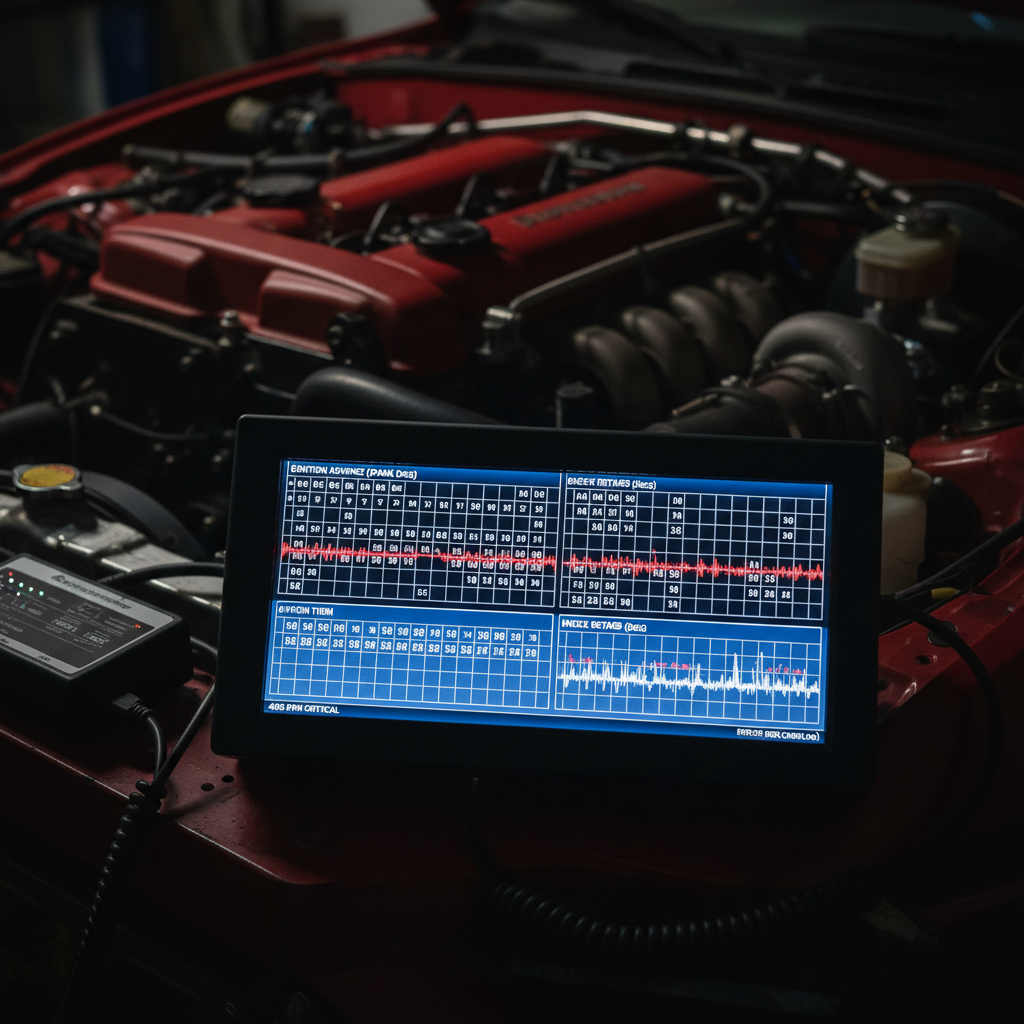
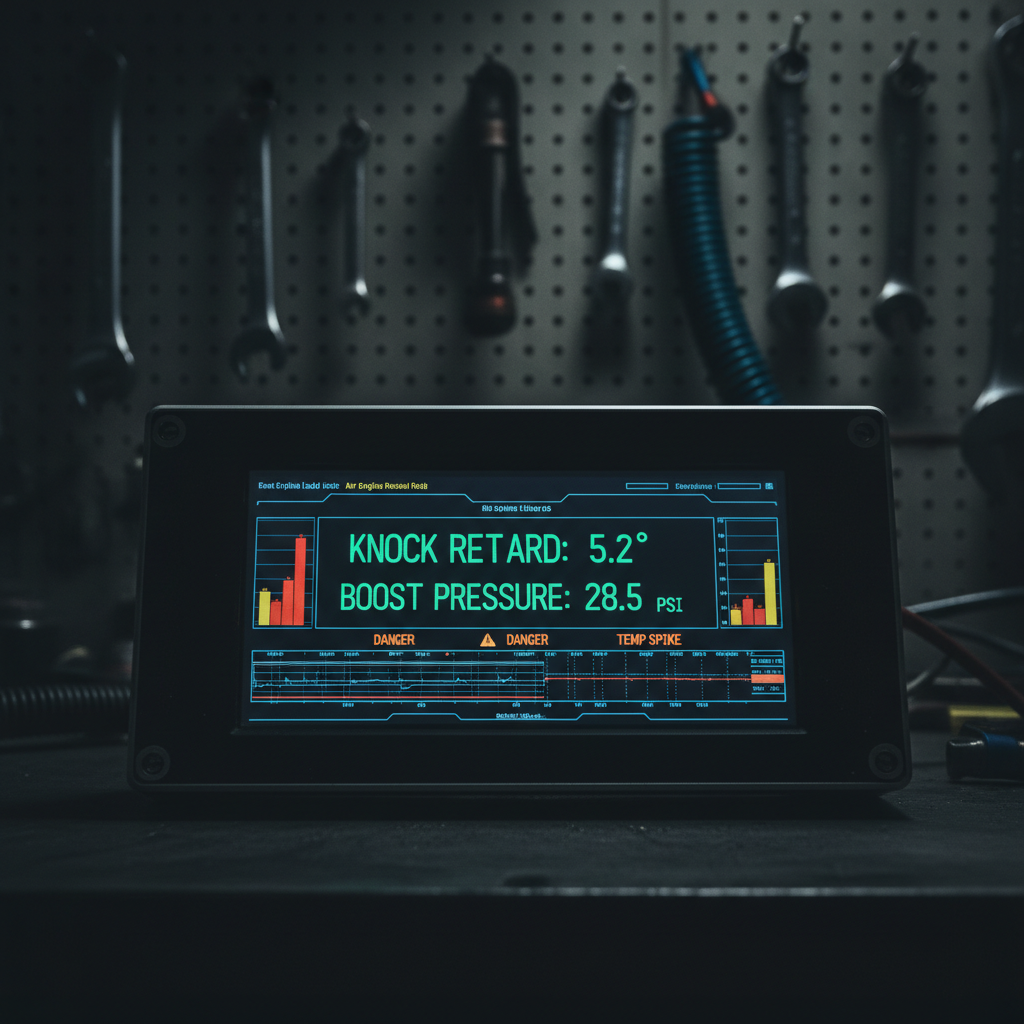
Spring tuning season brings three expensive mistakes that destroy engines: ignoring knock retard over 4 degrees, running excessive boost on stock internals, and missing heat soak warnings in your data. Here's what the numbers actually mean and how to avoid a $15K rebuild.
Your dyno sheet's peak horsepower number is marketing. The curves showing boost consistency, AFR stability, and knock behavior throughout the rev range tell you if your tune will actually perform when you need it.
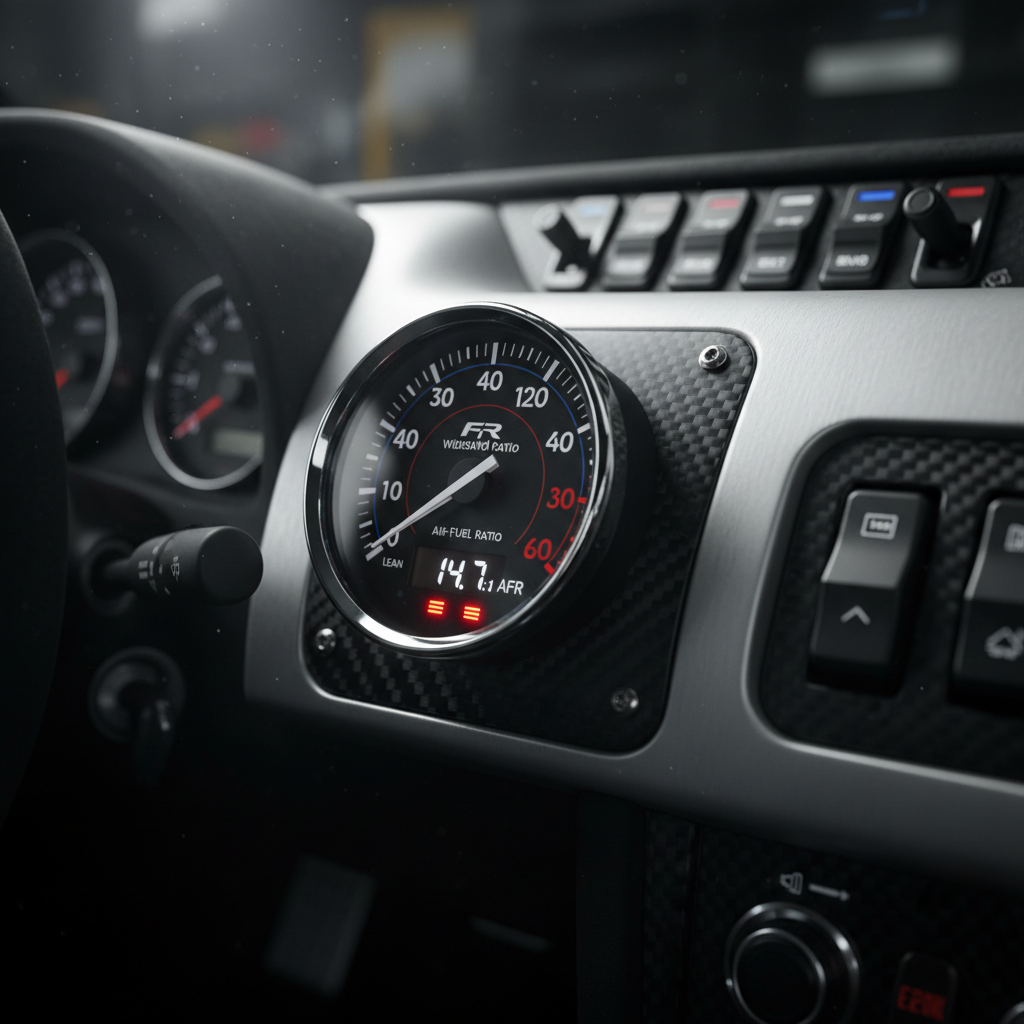
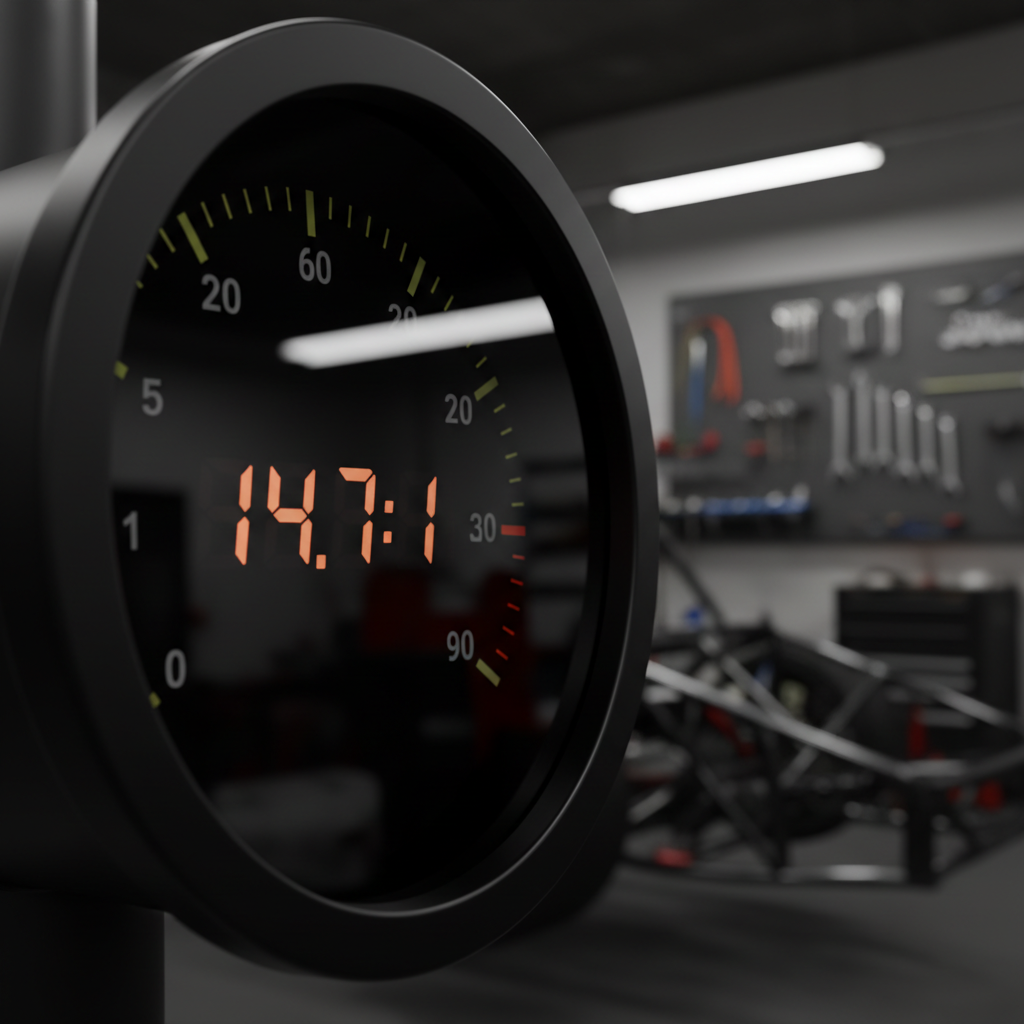
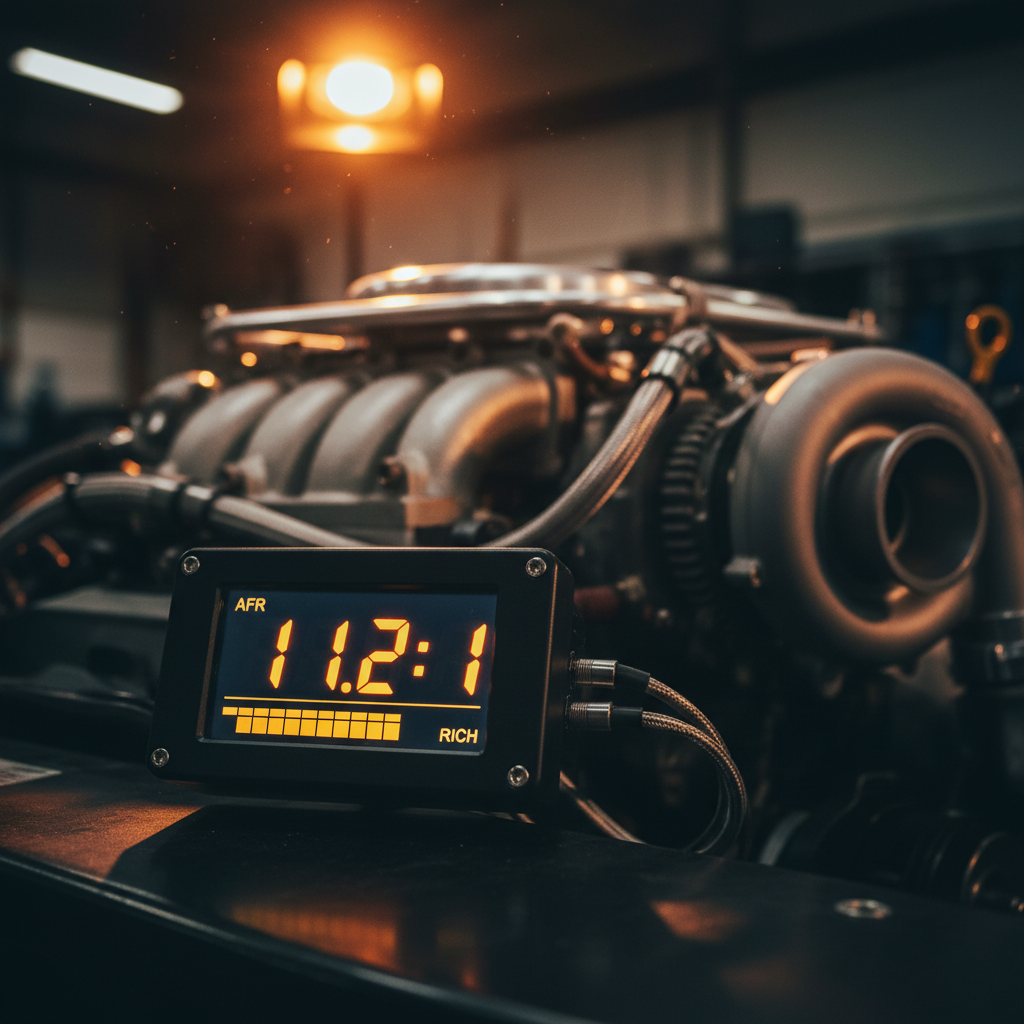
That universal 11.5:1 AFR target everyone quotes isn't universal at all - it's a recipe for blown motors. Professional tuners adjust AFR based on boost pressure, fuel octane, timing advance, and knock threshold to find the sweet spot between power and safety.
Stock knock sensors in stage 2+ WRX builds are missing destructive detonation above 18 psi boost, creating a false sense of security. Real dyno data from 47 builds reveals the calibration mistake that's destroying engines.
A customer's expensive intake upgrade just cost them 15 horsepower — and the dyno data tells the whole story. Here's what really happens when 'performance' mods create more problems than power.