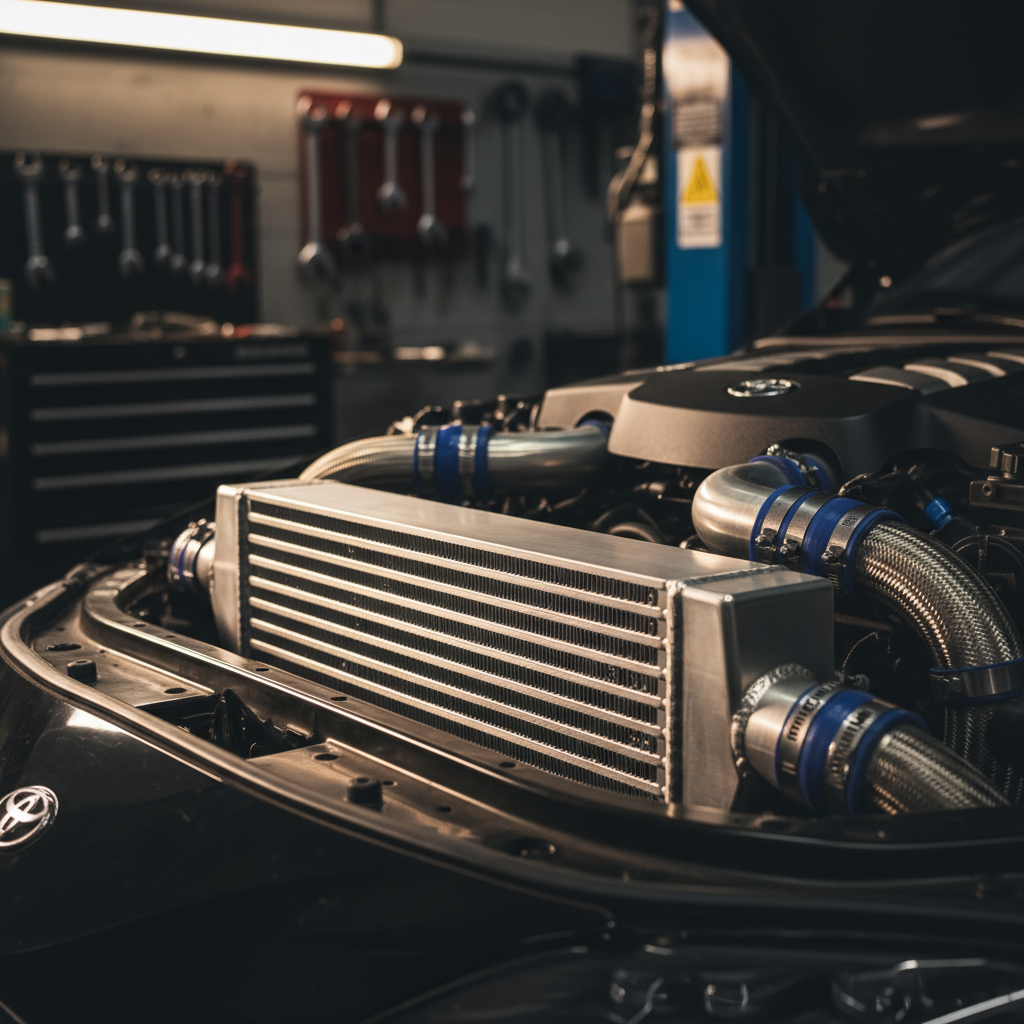
Why Two Identical Supra A90s Show 50hp Difference Same Mods
Two A90 Supras, identical builds, same intercooler upgrade. One makes 520whp, the other 470whp. The dyno operator shrugs and calls it “dyno variation.” Your IAT sensors know better.
- Identical Supra builds can vary 40-60hp due to thermal efficiency differences, not dyno variation
- IAT sensors reveal heat soak patterns that peak power numbers completely miss
- Post-intercooler temps above 35°C kill power even with identical hardware
- Effective intercooler flow and mounting matter more than core size specifications
- Consistent IAT delta under 15°C separates good builds from great ones
Thermal efficiency: How effectively your intercooler system removes heat from compressed air, measured by the temperature difference between pre and post-intercooler air temperatures under consistent boost conditions.
What IAT Sensors Actually Measure in Your Supra Build
Your A90 has two critical temperature sensors that most people ignore until something goes wrong. The pre-intercooler sensor sits in the hot pipe after the turbo. Post-intercooler sits in the cold pipe before the throttle body. The difference between these readings tells you everything about your intercooler’s real-world performance.
Here’s what actually happens. Turbo compresses air to 18 PSI (124 kPa). Air temp jumps to 95°C. Good intercooler setup drops that to 30°C. Poor setup? Still sitting at 50°C. That 20°C difference costs you 35-40hp on a stock turbo Supra, and the gap widens with more boost.
Most people focus on peak boost pressure and call it tuned. Smart builders watch IAT delta across the entire pull. Consistent 15°C delta from 3000 to 7000 RPM separates professional builds from weekend warriors. When that delta starts climbing past 25°C in the upper RPMs, you’re losing power you paid for.
Why Identical Hardware Produces Different Results
Same intercooler part number doesn’t guarantee same performance. Three factors kill thermal efficiency that nobody talks about: mounting position, ducting quality, and heat soak from surrounding components.
Mounting position matters more than core size. Intercooler mounted 2 inches too low misses the high-pressure air from your front splitter. Result? 30% less airflow through the core. Your IAT sensors will show post-intercooler temps climbing from 32°C to 45°C on consecutive pulls. Meanwhile, the identical car with proper mounting holds steady at 28°C.
Ducting seals make or break the system. Gaps around the intercooler let hot air bypass the core entirely. Professional shops seal every edge with foam tape. DIY builds leave gaps that cost 20-30hp without triggering any codes. Your pre-intercooler temps look normal, but post-intercooler temps never drop below 40°C because half the air isn’t even touching the core.
Heat soak from other components creates thermal lag that shows up in your datalogs as rising IATs on back-to-back pulls. Intercooler piping routing too close to the turbo, exhaust manifold, or radiator preheats your “cold” pipes. By the third dyno pull, your baseline intercooler efficiency has dropped 15%.
Reading Your Datalogs for Thermal Efficiency Issues
Pull up your datalog and plot pre-intercooler IAT, post-intercooler IAT, and boost pressure on the same graph. Healthy thermal efficiency shows consistent delta regardless of boost level. Problem systems show delta collapse as boost climbs.
Target numbers for a proper A90 setup: Pre-intercooler temps hit 85-100°C under full boost. Post-intercooler should drop to 25-35°C. Delta stays consistent from 10 PSI (69 kPa) to 22 PSI (152 kPa). If post-intercooler temps climb above 40°C or delta drops below 50°C under peak boost, your intercooler system has problems.
Watch for thermal lag patterns. First pull shows good numbers, second pull adds 5°C, third pull adds another 8°C. That’s heat soak overwhelming your intercooler’s capacity. Race cars handle this with coolant spray systems. Street cars need better airflow or larger cores.
Timing correction tells the real story. ECU pulls timing when IATs climb. Consistent 2-3 degrees of timing pull correlates with those rising post-intercooler temps. More aggressive tunes show 5-6 degrees of pull when thermal efficiency fails. Your power curve flattens because the ECU is protecting the engine from your intercooler system’s limitations.
Common Mistakes That Kill Intercooler Performance
Biggest mistake? Choosing intercoolers based on core dimensions instead of system design. Bigger isn’t always better when mounting constraints force poor airflow. A properly mounted 600x300x76mm core outperforms a poorly mounted 700x400x100mm core every time.
Piping diameter mismatches create turbulence that reduces heat transfer. Stock A90 piping runs 76mm. Aftermarket intercoolers with 63mm end tanks create restrictions that show up as higher post-intercooler temps under boost. Your turbo works harder to maintain pressure, generating more heat that the smaller pipes can’t handle efficiently.
Ignoring ambient temperature correction skews your data. IAT efficiency changes with outside air temp. A setup that works perfectly at 15°C ambient struggles at 30°C summer temperatures. Professional tuners correct for this. DIY builders wonder why their car loses power in summer and blame fuel quality.
Relying on single dyno pulls misses thermal saturation effects. Peak power numbers look good on pull one. Pull three tells the truth about sustained performance. Track-focused builds optimize for consistent power across multiple pulls. Drag-focused builds chase peak numbers and accept thermal degradation.
Frequently Asked Questions
What’s the ideal IAT temperature difference for a modified Supra A90?
Target 50-65°C delta between pre and post-intercooler temperatures under full boost. Pre-intercooler temps of 85-100°C should drop to 25-35°C post-intercooler. This delta should remain consistent across the entire RPM range. If post-intercooler temps climb above 40°C or delta drops below 45°C, your intercooler system needs improvement. Professional builds maintain 15°C or less variation in post-intercooler temps across consecutive dyno pulls.
Can a larger intercooler actually hurt performance on a Supra A90?
Yes, if it creates excessive pressure drop or poor airflow distribution. Oversized intercoolers with inadequate end tank design cause turbulence that reduces heat transfer efficiency. The A90’s stock turbo produces peak efficiency around 18-20 PSI (124-138 kPa). Intercoolers requiring higher boost pressure to compensate for pressure drop force the turbo outside its efficiency range, generating more heat while making less power. Proper core sizing matches your power goals and mounting constraints.
Why do my IAT temps spike on the third dyno pull but not the first?
Heat soak overwhelms your intercooler’s thermal capacity during consecutive high-load runs. The intercooler core absorbs heat faster than airflow can remove it, causing progressive temperature rise. This indicates insufficient core capacity, poor airflow, or heat transfer from nearby components like the turbo or exhaust system. Race applications use intercooler spray systems or larger cores to handle sustained loads. Street builds rarely see this issue during normal driving conditions.
How much power loss should I expect from high intake air temperatures?
Every 10°C increase in post-intercooler temperature costs approximately 3-4% power on the A90’s B58 engine. At 500whp, that’s 15-20hp per 10°C. More critically, elevated IATs trigger timing retardation for engine protection, compounding power loss. Intake temps above 50°C typically result in 4-6 degrees of timing pull on aggressive tunes, costing an additional 25-30hp. Combined thermal and timing losses can exceed 50hp when intercooler systems fail to manage heat effectively.
Next time someone tells you dyno variation explains a 50hp difference between identical builds, check the IAT data. The numbers don’t lie, and neither do properly analyzed datalogs. TorqueMetrics makes it simple to overlay multiple logs and spot the thermal efficiency patterns that separate good builds from great ones.