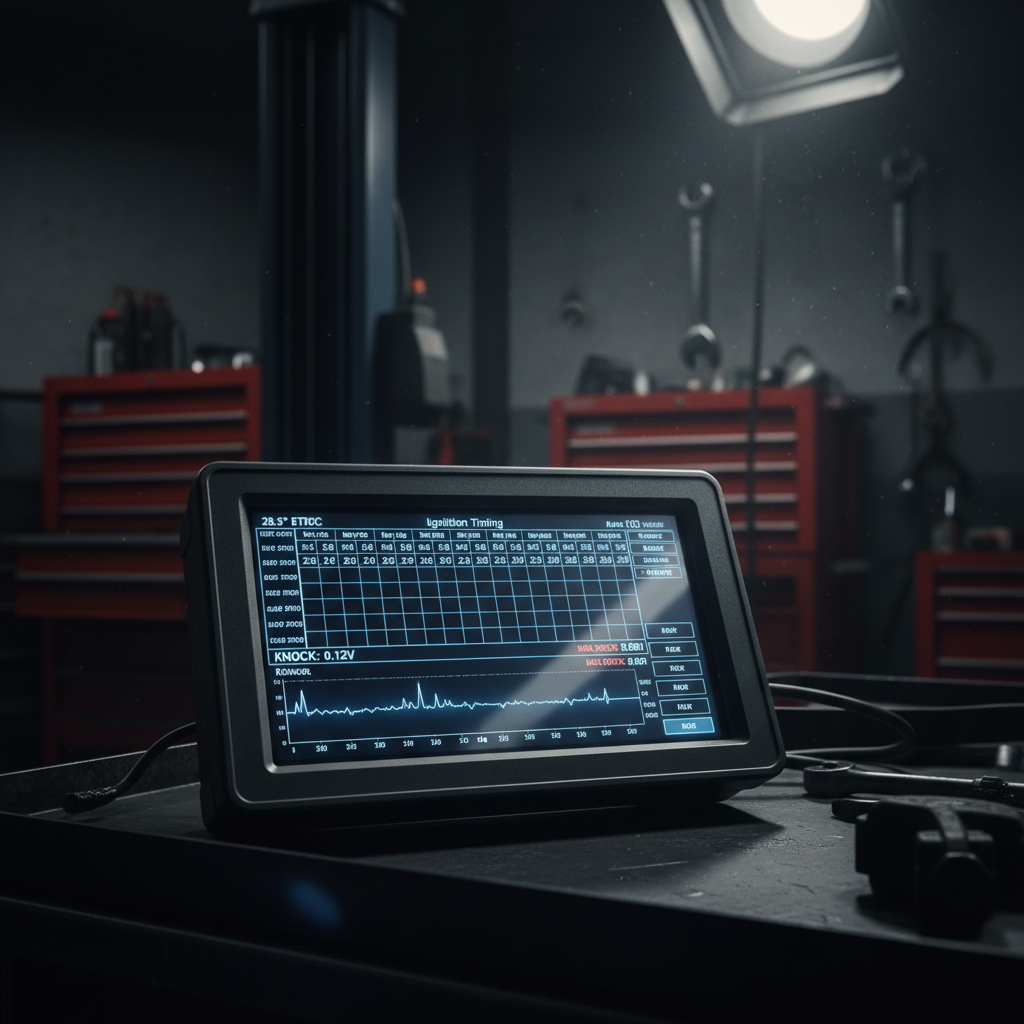
Most Stage 2 failures aren't caused by faulty hardware — they're caused by ignition timing maps that ignore your engine's individual knock threshold. The data tells the real story.
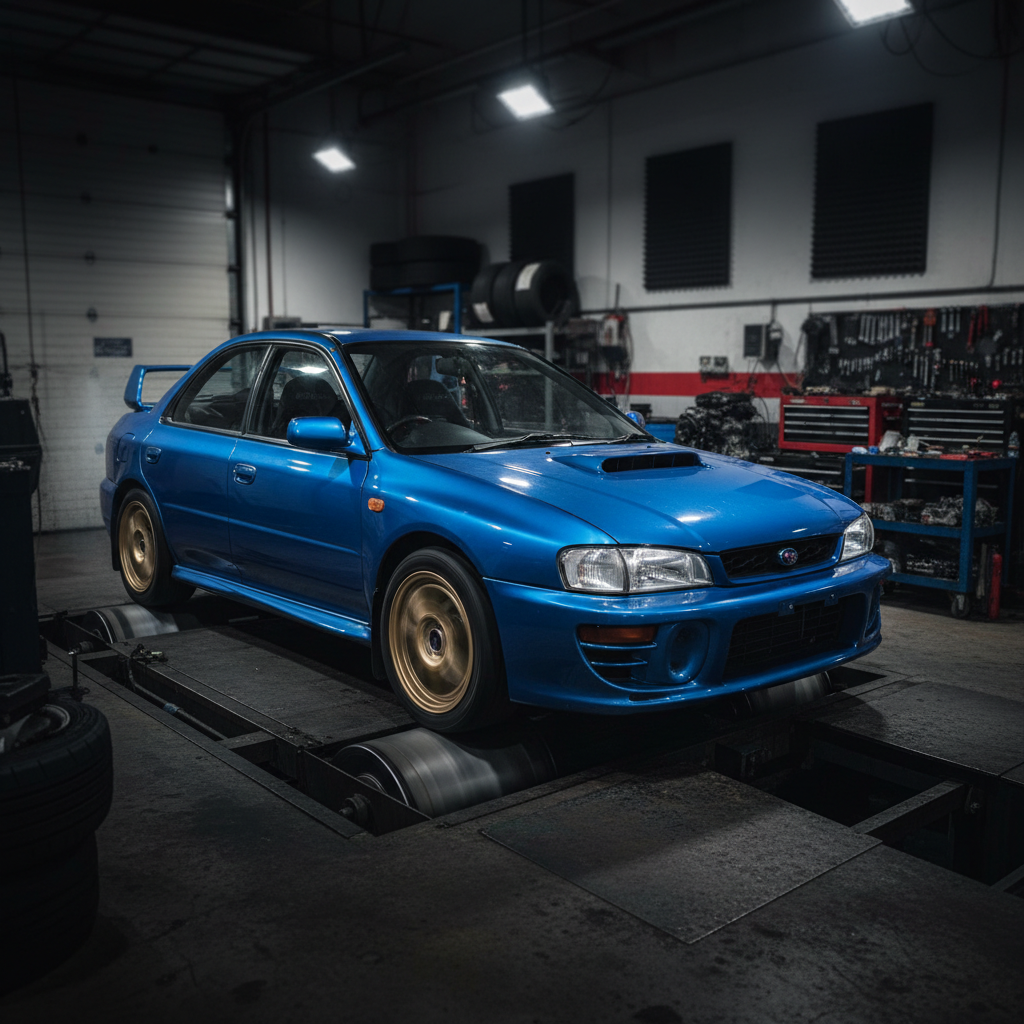
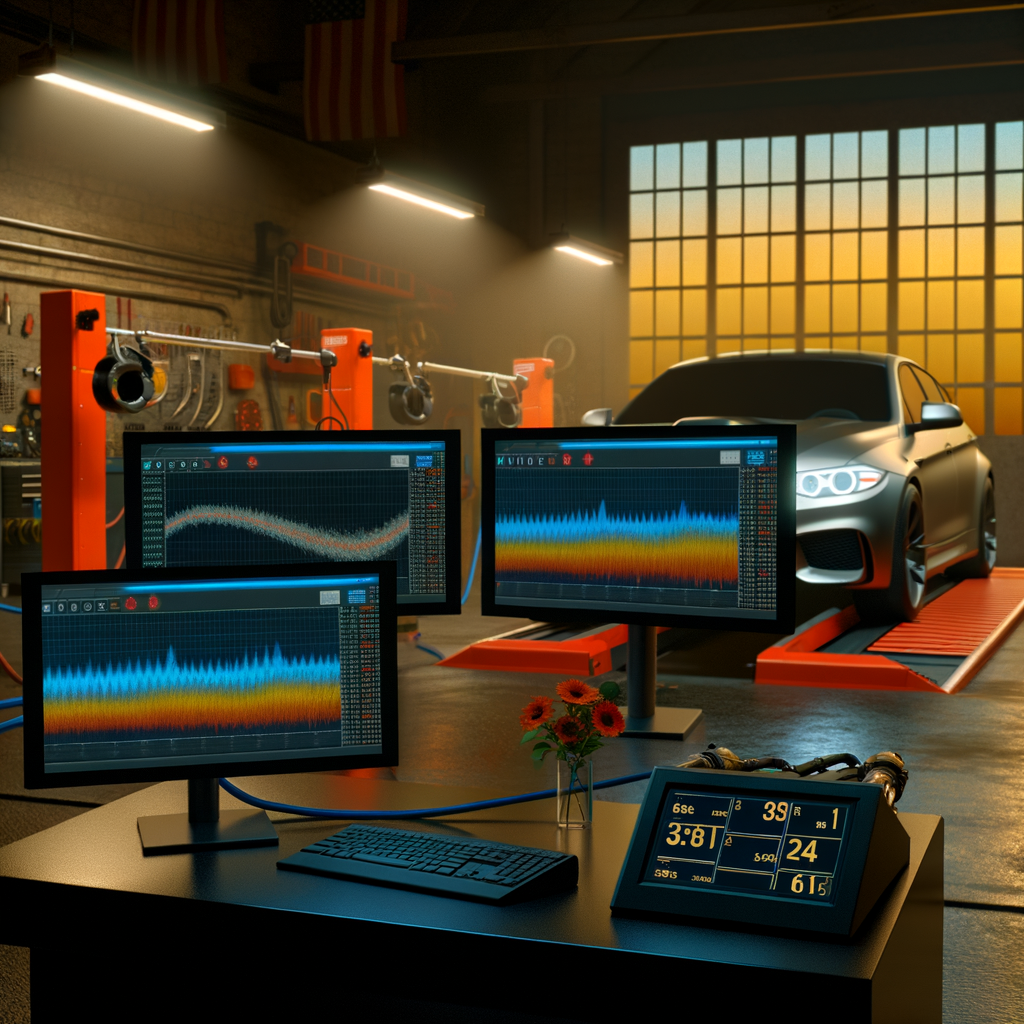
Your dyno sheet's peak horsepower number is marketing. The curves showing boost consistency, AFR stability, and knock behavior throughout the rev range tell you if your tune will actually perform when you need it.
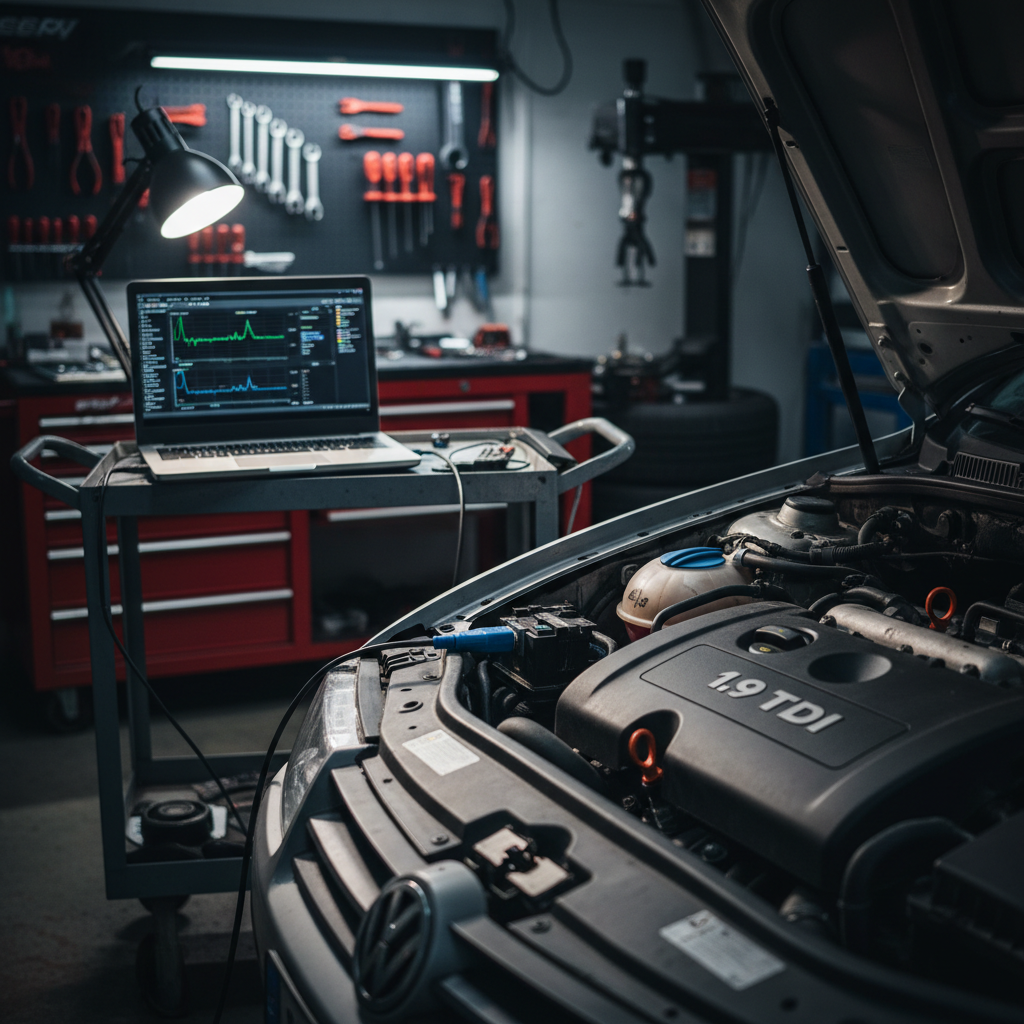
Volkswagen Golf 4 platforms respond exceptionally well to performance modifications, but only when baseline diagnostics confirm engine health. Pre-modification logging reveals the critical markers that separate successful builds from expensive failures.
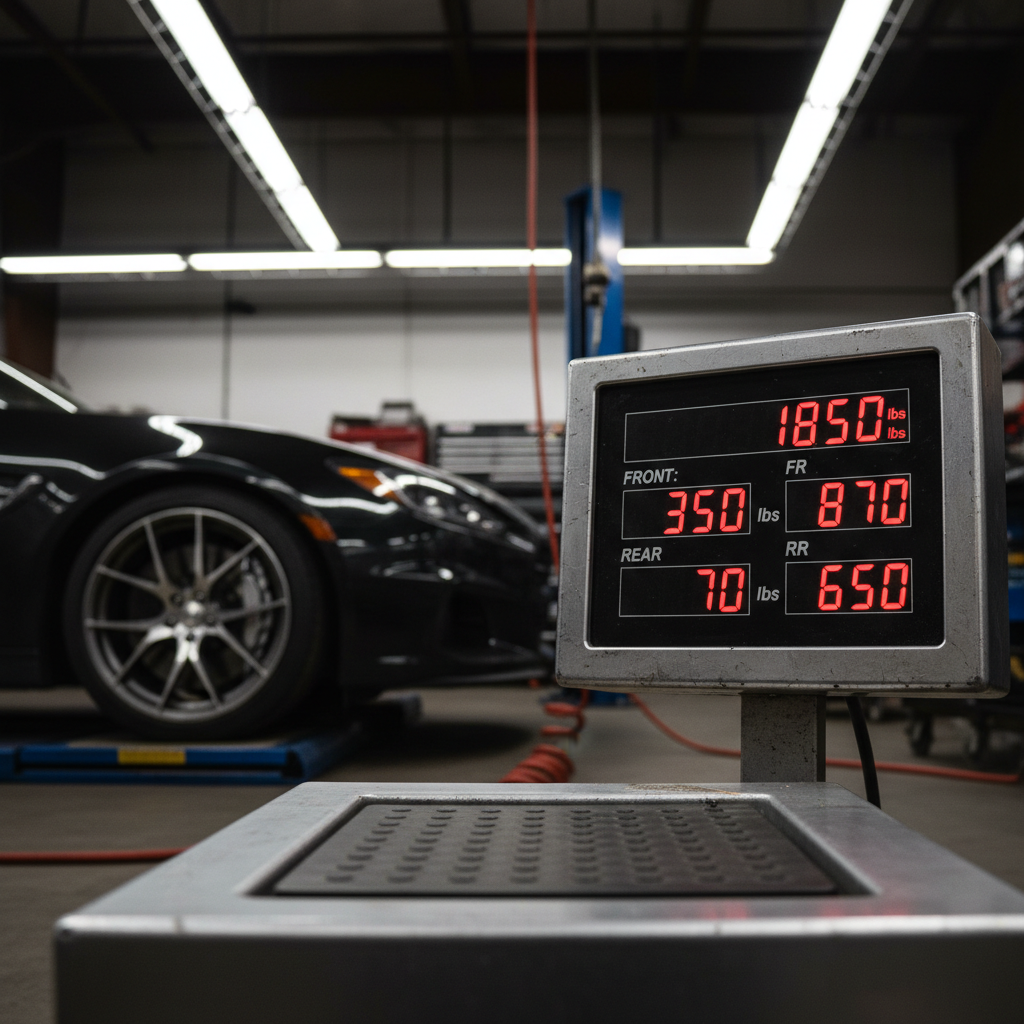
That 2JZ swap delivers 400hp but adds 200 pounds over the front axle, killing your car's cornering balance. Here's why weight distribution matters more than peak power for real-world performance.
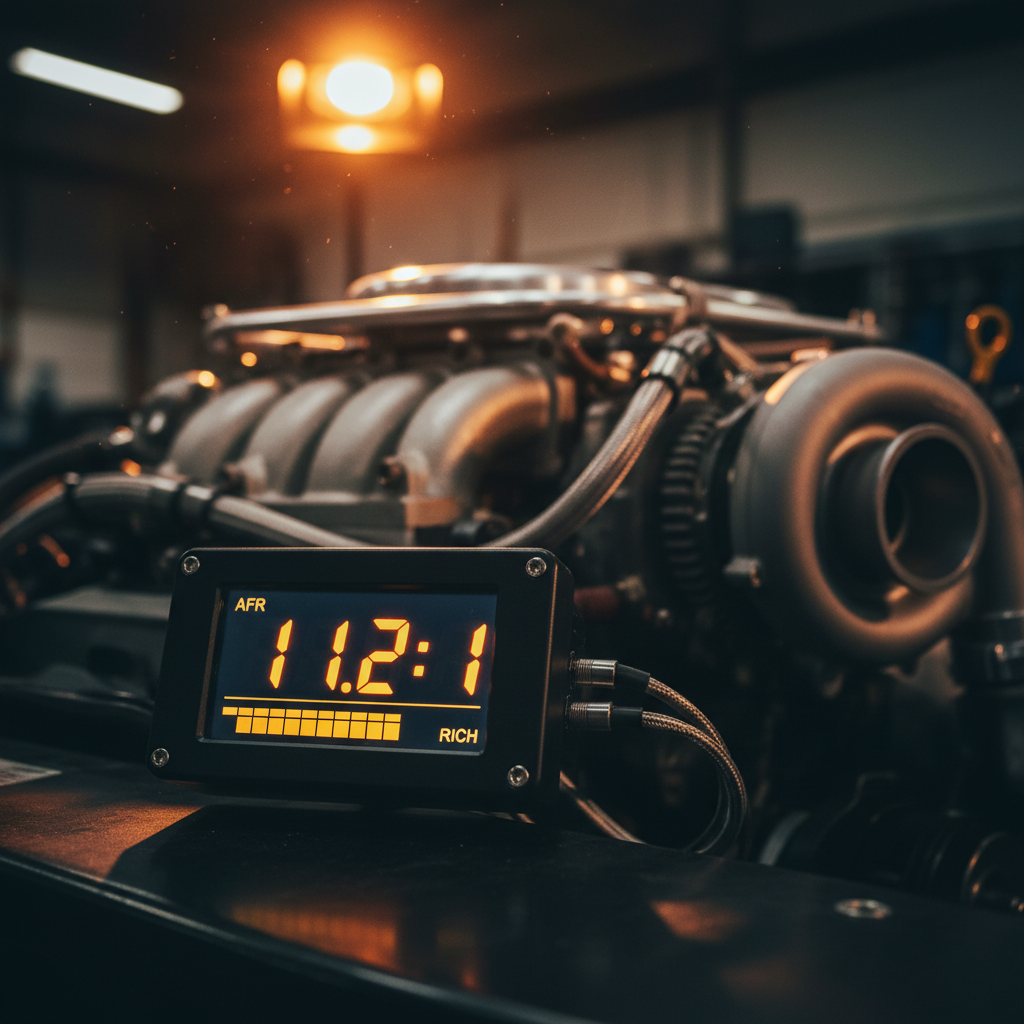
That universal 11.5:1 AFR target everyone quotes isn't universal at all - it's a recipe for blown motors. Professional tuners adjust AFR based on boost pressure, fuel octane, timing advance, and knock threshold to find the sweet spot between power and safety.
Stock knock sensors in stage 2+ WRX builds are missing destructive detonation above 18 psi boost, creating a false sense of security. Real dyno data from 47 builds reveals the calibration mistake that's destroying engines.
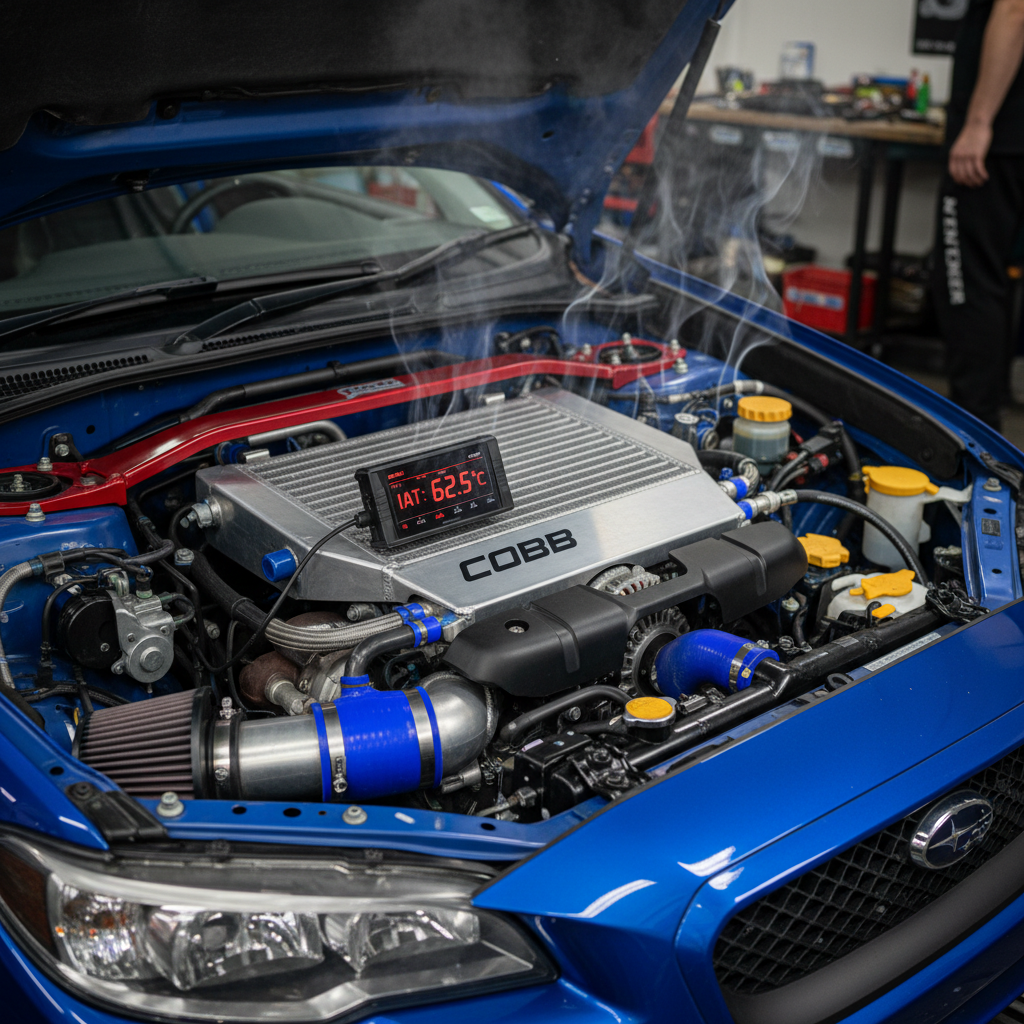
That mysterious knock in your Stage 2+ WRX isn't your tune going bad or bad fuel—it's intercooler heat soak creating detonation conditions. Here's what your data logs are actually telling you.
A customer's expensive intake upgrade just cost them 15 horsepower — and the dyno data tells the whole story. Here's what really happens when 'performance' mods create more problems than power.
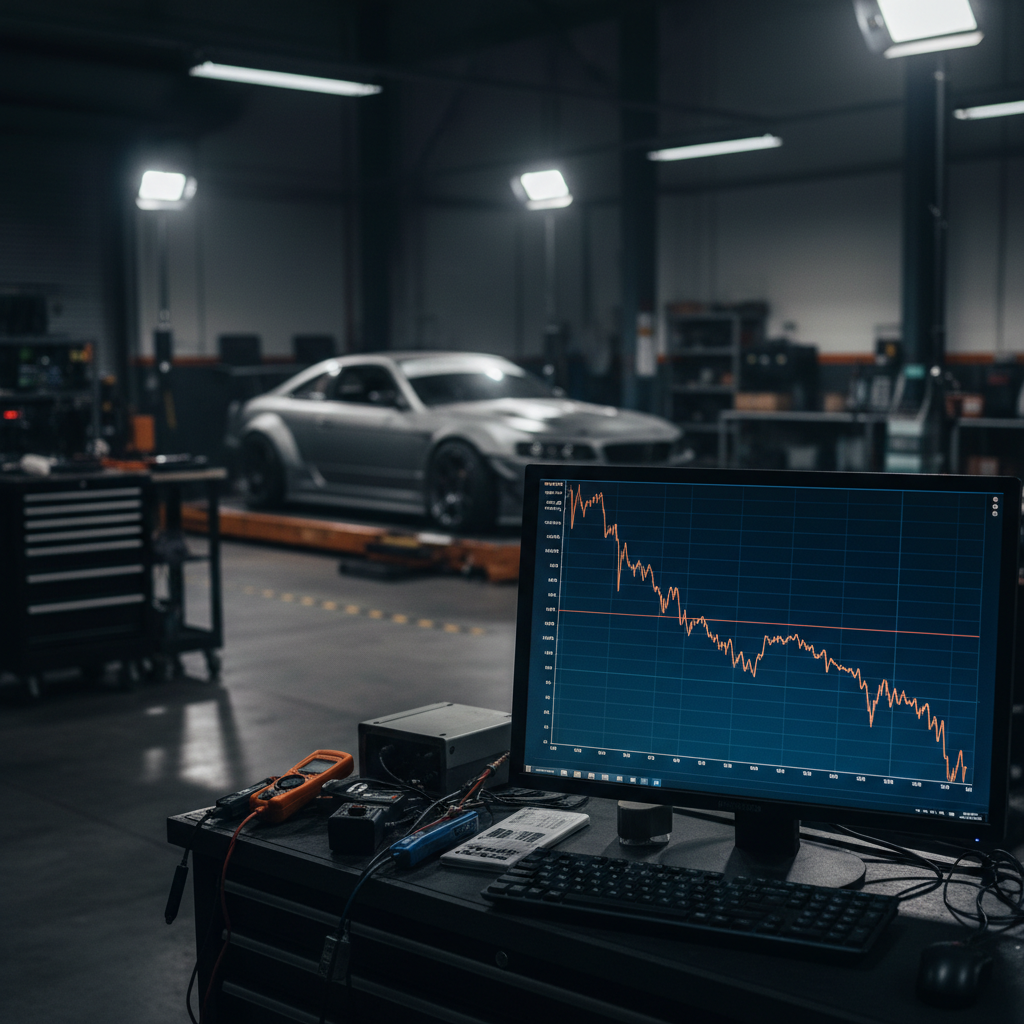
Your 400hp dyno sheet might look impressive, but if boost drops 6psi by redline and timing pulls 4° under load, you're not getting the performance you paid for. Real-world driving happens in the valleys between peaks, where proper tuning makes all the difference.
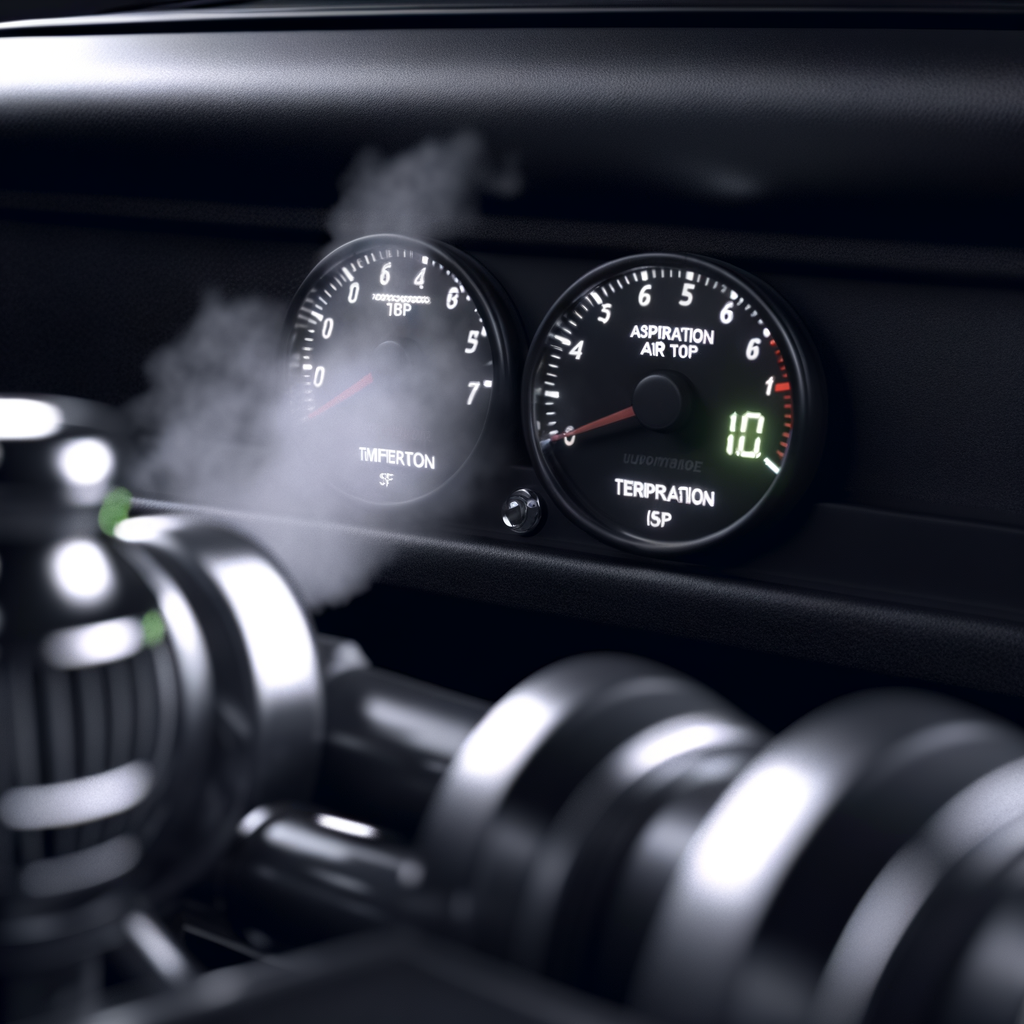
That Stage 2 tune with 'conservative' 11.5 AFR targets? It's murdering EJ257s across the country because tuners ignore intake temperature compensation. Here's why your safe ratio becomes lean death when IATs climb.
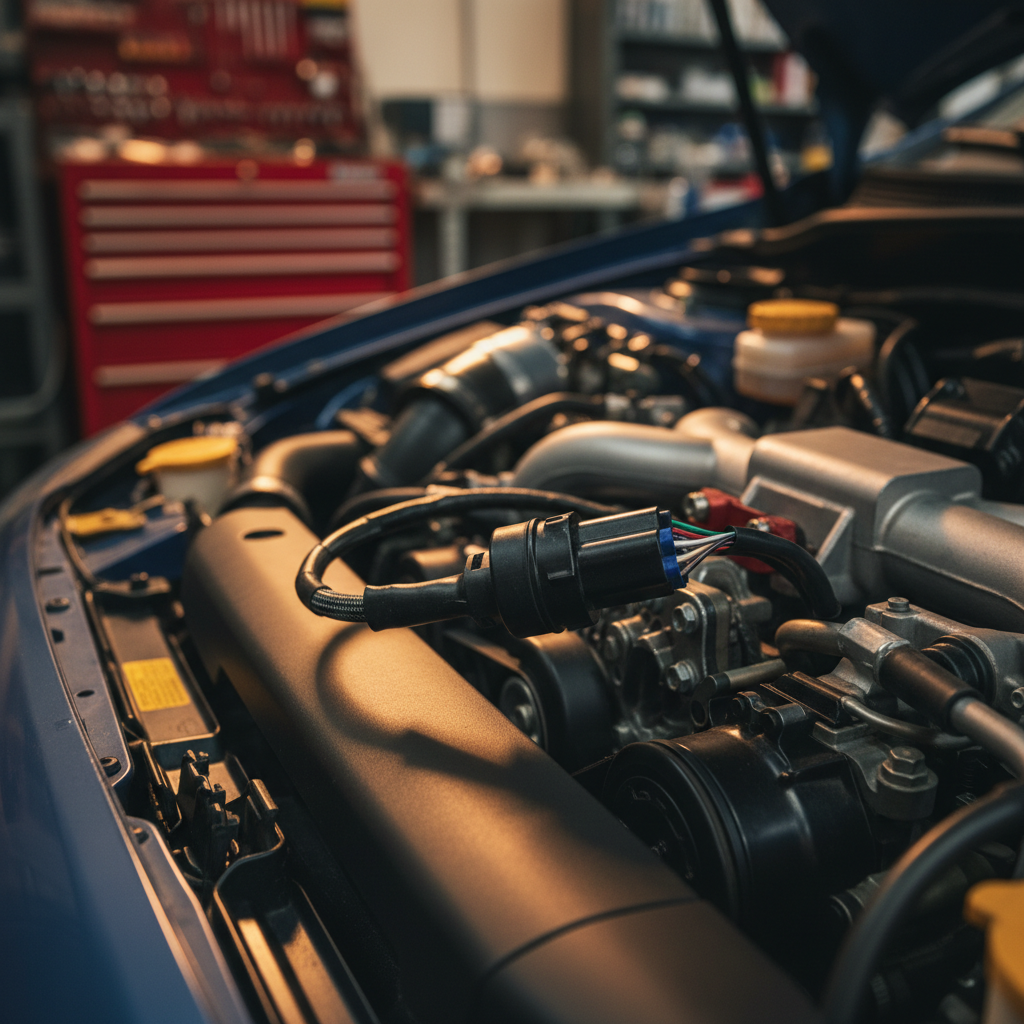
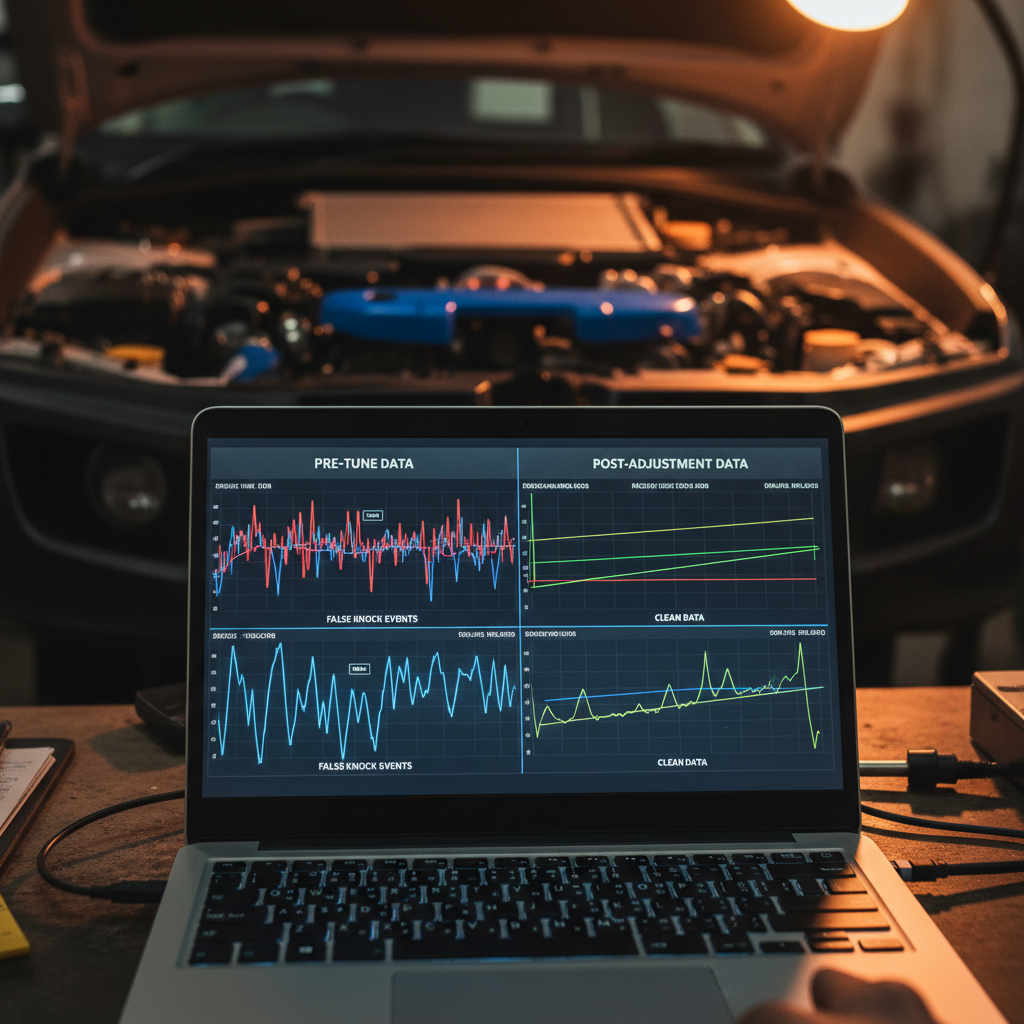
That post-tune knock you're seeing might not be knock at all — most low-RPM events are just injector noise triggering oversensitive ECU parameters. Here's how to separate real knock from false positives using actual sensor data.