Spring Tune Transition AFR Spikes: Why They Destroy Engines
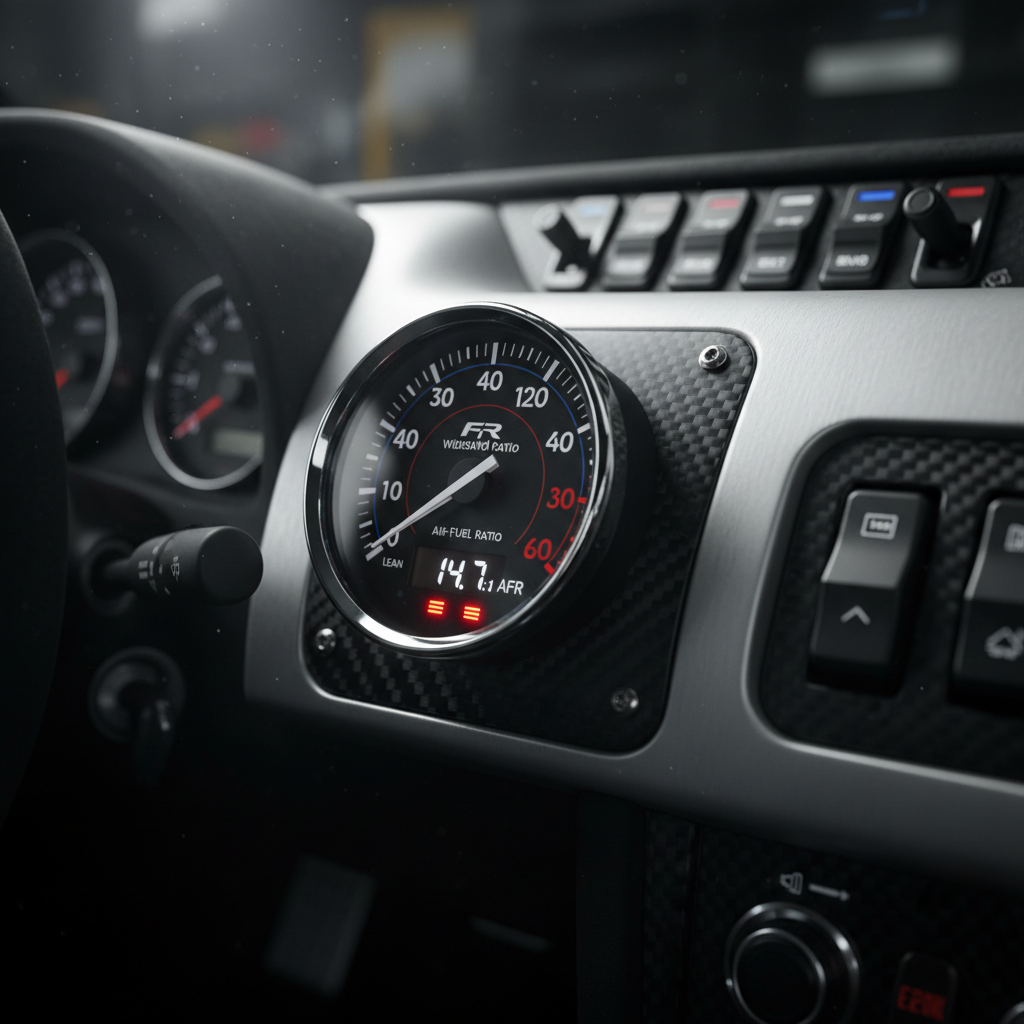
Switching from your winter tune to a performance map in spring creates dangerous AFR fluctuations that can destroy your engine before you even notice the knock. Most tuners see 14.7:1 AFR on their wideband during the transition and assume everything’s safe, but the real damage happens in the microsecond lean spikes between fuel map cells that standard gauges can’t catch.
Quick Answer
- Spring tune transitions create AFR spikes of 16:1+ that destroy pistons within minutes
- Temperature compensation tables from winter tunes cause dangerous lean conditions in warm weather
- Most widebands display 500ms averages, missing the deadly microsecond spikes
- Proper transition requires recalibrating fuel delivery rates, not just swapping base maps
- EGT monitoring reveals the thermal damage before AFR gauges catch the problem
AFR transition spikes: Momentary air-fuel ratio excursions above 15.5:1 that occur when switching between seasonal ECU maps, caused by mismatched temperature compensation tables and fuel delivery calibrations.
Why Spring Tune Transitions Create Deadly AFR Spikes
Your winter tune compensates for cold, dense air with enrichment tables that dump extra fuel at specific temperature ranges. When you swap to a performance tune in spring, those compensation tables don’t just disappear, they create conflicting commands that lean out your mixture at the worst possible moments.
Here’s what actually happens in the ECU. Your winter map runs fuel multipliers of 1.15x to 1.25x for temperatures below 10°C. The performance tune expects base fuel delivery without those multipliers. During the first few heat cycles after swapping, your fuel system is still calibrated for winter flow rates while the new map demands summer delivery volumes.
The result? AFR spikes to 16.5:1 or leaner during transitions between fuel map cells. Your wideband shows 14.7:1 because it’s averaging over 500 milliseconds, but the actual combustion events are running dangerously lean for microseconds at a time. Those microseconds are enough to burn piston crowns and crack ring lands.
Temperature compensation doesn’t just affect fuel delivery. Your ignition timing tables, boost control, and even throttle response curves carry winter calibrations that fight against spring performance parameters. Most tuners just flash the new map and call it done. The smart ones spend time recalibrating the underlying delivery systems.
What the Datalog Evidence Actually Shows
Real transition failures show a specific pattern in the datalogs. AFR readings appear stable at 12.8:1 to 13.2:1 under load, but EGT temps spike 50-80°C above normal. Knock sensors register false positives because the lean combustion creates pressure waves that mimic detonation. Most catastrophic failures happen within the first 200-300 miles after the tune swap.
The telltale signs appear in high-resolution fuel pressure logs. You’ll see pressure fluctuations of 5-8 PSI during throttle transitions that weren’t present with the winter tune. These fluctuations correspond directly to the lean spikes that kill engines. Your fuel system is hunting between winter and summer delivery rates because the ECU is sending conflicting commands.
Lambda values tell the real story. Where your wideband shows steady 0.87-0.90 lambda, high-speed logging reveals spikes to 1.10+ lambda during gear changes and boost transitions. These spikes last 50-200 milliseconds, long enough to create thermal damage but short enough that most monitoring systems miss them completely.
Intake air temperatures compound the problem. Winter tunes expect cold, dense air. When spring temperatures hit 15-20°C, your volumetric efficiency calculations become wrong by 8-12%. The ECU delivers fuel for cold air density while burning hot air volumes. Recipe for disaster.
How to Transition Tunes Without Destroying Your Engine
Start with fuel system recalibration before you even think about flashing the performance map. Run your injectors through a flow test to establish current delivery rates. Most injectors flow 3-5% differently after a winter of ethanol exposure and temperature cycling. Your new tune needs to account for these changes.
Temperature compensation tables require complete rebuilding, not just adjustment. Copy your winter fuel multipliers into a spreadsheet and map them against actual spring temperatures. You want smooth transitions between temperature ranges, not the abrupt step changes that create lean spikes. Aim for linear fuel delivery curves between 0°C and 25°C.
Flash your performance tune in stages, not all at once. Start with fuel maps only, run 50-100 miles of varied driving, then add ignition timing changes. Finally, enable boost and throttle response modifications. This staged approach lets you catch AFR problems before they become catastrophic failures.
Monitor EGT temps, not just AFR readings. Exhaust gas temperatures spike 2-3 seconds before lean damage becomes visible in AFR logs. Set your EGT alarm for 850°C maximum under boost. Anything above 900°C and you’re already burning pistons. Most successful transitions keep EGT below 800°C during the first 500 miles.
What Goes Wrong When You Skip Proper Transition Procedures
The most expensive mistake is assuming your fuel system retained its winter calibration. Ethanol blends change viscosity with temperature, and your fuel pumps flow differently at 20°C than they do at -10°C. Most spring engine failures trace back to fuel delivery assumptions that were wrong from day one.
Tuners who skip temperature compensation recalibration see piston failures within 2-3 weeks of the tune swap. The damage pattern is always the same: lean burn marks on the piston crown, heat stress cracks around the ring lands, and detonation damage to the combustion chamber. These failures cost 3,000-8,000 euros to repair, depending on how much collateral damage the pistons created.
Ignition timing problems create different but equally expensive failures. Spring performance tunes typically advance timing 2-4 degrees compared to winter maps. If your knock sensors are still calibrated for winter fuel octane ratings, they won’t catch the detonation until it’s too late. Ring land failures from timing-related knock are the most common spring tuning casualties.
Even successful tune transitions can hide problems that appear weeks later. Incomplete fuel system recalibration creates uneven cylinder-to-cylinder AFR distribution. Cylinder 3 might run 12.5:1 while cylinder 1 runs 13.8:1 under the same conditions. The lean cylinder accumulates thermal damage over time, eventually failing catastrophically during a track day or spirited drive.
Frequently Asked Questions
How long should I wait between winter and performance tune swaps?
Wait at least 48 hours and three full heat cycles before making the swap. This gives your fuel system time to purge winter fuel residues and allows temperature sensors to recalibrate to spring conditions. Most successful transitions happen after the car has seen consistent temperatures above 10°C for at least a week. Rushing the swap is the primary cause of AFR-related failures.
Can I use my wideband AFR gauge to monitor transition problems?
Standard wideband gauges update too slowly to catch transition AFR spikes. You need datalog-capable AFR monitoring with update rates of at least 10Hz to see the dangerous lean excursions. Most gauge-style widebands average over 500ms, which completely masks the microsecond spikes that destroy engines. Professional tuning requires high-speed AFR logging, not dashboard gauges.
What AFR should I target during the first few hundred miles after swapping tunes?
Run slightly richer than your target AFR for the first 300-500 miles. If your performance tune targets 12.8:1 under boost, aim for 12.2-12.5:1 during the transition period. This safety margin accounts for fuel delivery inconsistencies and temperature compensation errors. You can lean it out to target values once you’ve confirmed stable operation across multiple heat cycles and driving conditions.
Why do some engines survive improper tune transitions while others fail immediately?
Engine tolerance varies significantly based on build quality, compression ratio, and previous maintenance history. Higher compression engines fail faster because they’re closer to detonation thresholds. Engines with carbon buildup or worn rings are more susceptible to lean damage. Factory engines often have larger safety margins than built motors, which explains why some stock cars survive transitions that would destroy a built engine.
Proper spring tune transitions require attention to details most tuners ignore. The data doesn’t lie, AFR spikes kill engines faster than any other tuning mistake. TorqueMetrics makes it easy to spot these problems before they become expensive failures, with high-resolution AFR logging and automated alerts for dangerous lean conditions.