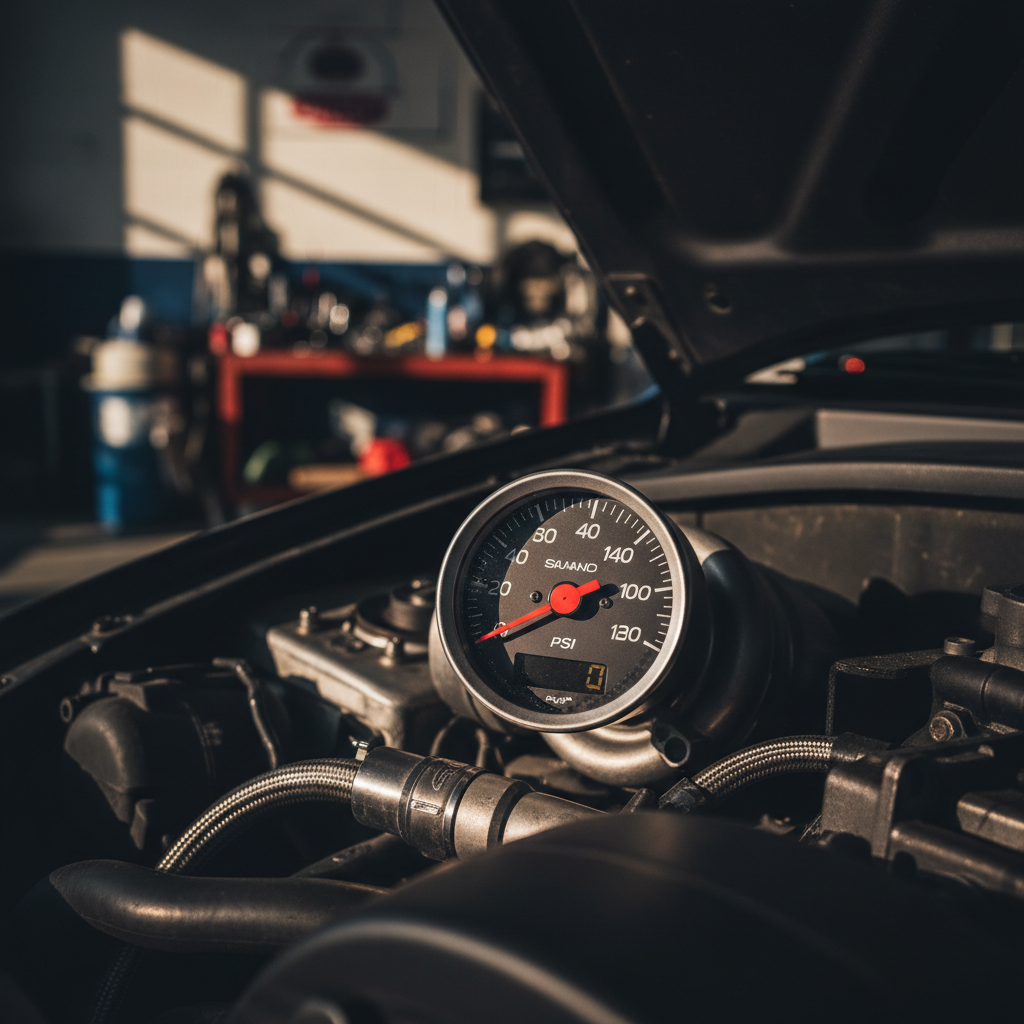
Why Your First Spring Drive is Destroying Your Engine (Data)
Your first spring drive after winter storage just triggered more knock events than your entire summer of driving combined. Dense spring air is loading your cylinders with 15% more oxygen than your tune expects, your knock sensors are screaming, and most people never even check the logs.
Key Takeaways:
- Spring air density can increase cylinder pressure 10-15% over summer conditions
- Knock counts above 3-4 per pull indicate immediate timing adjustment needed
- Temperature swings of 20°C+ require boost and timing map adjustments
- First drives after storage should be logged, not enjoyed
- Winter ethanol content changes can lean out your fuel maps significantly
Seasonal knock events: Abnormally high knock sensor activity that occurs when atmospheric conditions change dramatically between when a tune was created and when it’s being used, typically during the transition from winter storage to spring driving.
What Actually Happens to Your Tune in Spring Air
Your tune was dialed in during summer heat with thin air and high IATs. Now you’re pushing dense 5°C morning air through the same boost targets with the same timing maps. The math doesn’t work.
Dense air carries more oxygen molecules per cubic inch. Your MAF reads higher mass airflow, your ECU adds fuel to match, but your boost controller still targets the same manifold pressure. Result: you’re stuffing 15% more air and fuel into cylinders that are running timing curves mapped for lazy summer air.
Your knock sensors start detecting the telltale frequency signature of detonation. On a properly logged spring drive, you’ll see knock counts climbing from your normal 0-1 per pull to 6, 8, even 12 events on a single WOT run. Each count represents a moment where combustion pressure spiked beyond what your pistons and rods were designed to handle.
The IAT correction tables try to compensate, but they’re band-aids. Most factory and even aftermarket tunes assume gradual temperature changes, not the 25°C swing from your last tune session to your first spring drive. Your correction factors are overwhelmed.
What Your Spring Logs Actually Show
Pull a datalog on your first spring drive and you’ll see the story written in numbers. Typical summer logs might show 14.2 PSI (98 kPa) peak boost with 0-2 knock counts per pull and timing corrections of 1-2 degrees. Your spring logs tell a different story.
Boost pressure hits your target easily, maybe even overshoots to 15.8 PSI (109 kPa) because your wastegate is seeing denser exhaust flow. Your timing gets pulled 4-6 degrees from base maps as the ECU tries to stop the knock. Fuel pressure might climb as your system works harder to match the increased airflow demand.
Most telling are the IAT readings. Where summer logs showed intake temps climbing to 35-40°C under load, spring air might stay at 15-20°C even after multiple pulls. That temperature difference translates directly to air density, and air density translates to cylinder pressure your tune never planned for.
EGT readings often spike higher in spring despite the cooler air because combustion is happening under higher cylinder pressures with inadequate timing retard. You’re making more heat in the combustion chamber even though everything feels cooler.
How to Actually Prep Your Tune for Spring
Start with conservative boost targets, 2-3 PSI below your summer maps. Your turbo will spool harder in dense air anyway. If you were running 18 PSI (124 kPa) in summer, dial back to 15 PSI (103 kPa) for your first few drives.
Pull timing across your high-load cells, especially in the 3000-5000 RPM range where most people spend their WOT time. A blanket 3-degree pull from your summer timing maps gives you safety margin while you dial in the new conditions.
Check your fuel. Winter ethanol blends run leaner than summer blends, sometimes significantly. That E85 you filled up with in autumn might be testing at E70 or lower now. If you’re tuned for E85’s cooling properties and octane rating, you’re suddenly running a much more knock-prone fuel mixture.
Log everything. Your first three spring drives should be data gathering missions, not fun runs. You need to see how your engine responds to current conditions before you start chasing power numbers again.
What Goes Wrong When You Skip Spring Prep
Most engine failures after winter storage happen within the first month of driving. Owners fire up their cars, feel that crisp throttle response from dense air, and immediately start driving like it’s summer again.
Heavy knock events under high cylinder pressures create the perfect conditions for ringland failures, especially on EJ engines. The combination of increased combustion pressure and inadequate timing retard puts stress loads on components that were already at their design limits.
Bearing wear accelerates dramatically when engines knock consistently. Those 8-12 knock events per pull aren’t just noise, they’re pressure spikes that hammer your rod bearings and main bearings with forces they weren’t designed to absorb repeatedly.
Piston crown damage shows up later but starts immediately. Each knock event creates localized hot spots on piston tops. Run enough spring drives with heavy knock and you’ll start seeing the telltale pitting that eventually leads to holes and catastrophic failure.
The cruel irony is that spring air should make your car faster and safer to tune. Dense air means more oxygen, better cooling, higher octane tolerance. But only if your tune knows how to use it.
FAQ
How many knock counts are acceptable on a spring drive?
Zero to 2 knock counts per WOT pull is normal and safe. 3-5 counts indicate your tune needs immediate attention before more aggressive driving. Above 5 counts per pull means stop driving hard and adjust your maps immediately. Anything over 10 counts in a single pull suggests dangerous detonation levels that can cause immediate engine damage.
Should I use different boost targets for spring versus summer driving?
Yes, start 2-3 PSI lower in spring conditions until you’ve logged several drives and confirmed your timing maps work with dense air. Spring air naturally helps your turbo spool faster and hit higher pressures, so lower targets often produce similar or better power while maintaining safety margins. You can gradually increase boost as you dial in timing for the new conditions.
How long should I wait before driving hard after winter storage?
Plan on 3-5 conservative drives with full datalogging before returning to normal driving. Each drive should progressively load the engine more while you monitor knock counts, timing corrections, and boost behavior. If your logs show consistent knock-free operation after this break-in period, you can resume normal driving with confidence in your current tune.
Do I need to retune completely or just adjust my current maps?
Most spring prep can be handled with conservative adjustments to existing maps rather than a complete retune. Reduce boost targets by 2-3 PSI, pull timing 2-4 degrees in high-load cells, and verify your fuel quality matches your tune requirements. If these adjustments don’t eliminate knock events, then a proper retune for current conditions becomes necessary.
Your engine doesn’t care that you’re excited about spring driving season. It only responds to the physical reality of air density, fuel quality, and combustion timing. TorqueMetrics makes it simple to track these critical parameters across your first spring drives, so you can enjoy the season without gambling on your engine’s life.