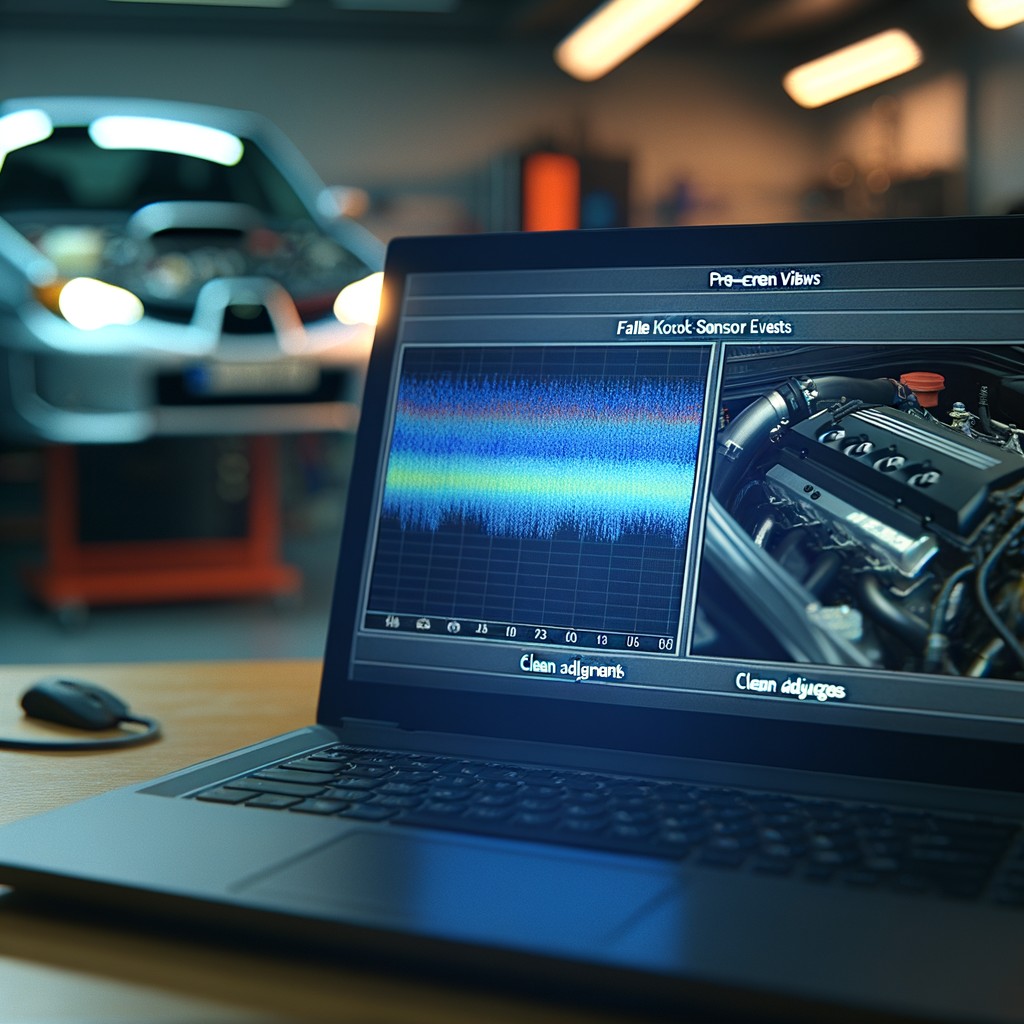
WRX Knock Events After ECU Tunes: Real Data vs False Positives
You’ve just picked up your WRX from a tune, and now your AccessPort is lighting up with knock events every time you accelerate. Your heart sinks every time you see that -1.41° timing pull at 2800rpm. But here’s the reality: most knock events after ECU updates aren’t actually knock — they’re false positives caused by overly aggressive knock detection parameters that your tuner hasn’t properly calibrated for your specific setup.
Understanding Knock Detection vs Mechanical Noise
Your WRX’s knock sensor is essentially a microphone bolted to the engine block, listening for specific frequency ranges that indicate detonation. The problem? It can’t distinguish between actual knock and other mechanical noises that occur at similar frequencies. Modern ECUs use knock detection windows — specific RPM and load ranges where the system actively listens for knock — but these windows need precise calibration.
When tuners flash a new map, they often start with conservative knock detection thresholds. A stock WRX might have knock sensitivity set to -8 counts, but an aggressive tune might drop this to -3 or -4 counts. This means the ECU will pull timing at the slightest hint of noise, even if it’s just your direct injection system doing its job.
What the Data Actually Shows
Real knock sensor data reveals patterns that separate genuine detonation from false positives. Here’s what we typically see in our TorqueMetrics logs:
- False positives: Knock counts of -2 to -6 occurring consistently between 1800-3200rpm, regardless of load or boost levels
- Injector noise: Sharp spikes correlating exactly with injection timing, typically showing as brief -3 to -5 count events
- Real knock: Sustained counts of -8 or higher, occurring under high load (above 1.2g/cyl) and typically above 3500rpm
A properly tuned WRX running 93 octane should rarely see knock counts below -2 under normal driving conditions. If you’re consistently seeing -4 to -6 counts during light acceleration at part throttle, your knock detection windows likely need refinement. Real knock events typically coincide with specific conditions: high cylinder pressure (above 1000 psi peak), elevated intake air temps (over 100°F), or timing advances beyond what your fuel octane can support.
What to Watch Out For
Several factors can trigger false knock detection that anxious WRX owners often mistake for engine problems:
- Injector noise patterns: DI injectors firing at high pressure create distinct acoustic signatures that mimic knock frequencies. This is especially common with larger injectors or higher fuel pressures.
- Overly sensitive knock windows: Many off-the-shelf tunes use universal knock detection parameters that don’t account for individual engine variations or modifications.
- Environmental factors: Cold engines, low-quality fuel, or even road surface vibrations can trigger false events until the ECU’s adaptive learning compensates.
- Modification interactions: Aftermarket intakes, exhaust systems, or engine mounts can change the acoustic signature your knock sensor receives.
The key indicator is consistency and context. Real knock correlates with load, timing, and temperature. Random knock events during light throttle or consistent patterns regardless of driving conditions typically indicate detection system issues, not engine problems.
TorqueMetrics Take
Our platform logs knock sensor data alongside dozens of other parameters, letting you see exactly what’s happening when those timing pulls occur. We’ve analyzed thousands of WRX logs and found that genuine knock events represent less than 10% of total knock counts in properly maintained engines running appropriate fuel.
The most revealing data comes from our correlation analysis. When we overlay knock counts with injection timing, manifold pressure, and cylinder pressure, false positives become obvious. Real knock shows up as sustained events that increase with load and timing advance, while false positives appear as random spikes with no correlation to engine stress factors.
Our knock detection analysis also reveals tuning quality. A well-calibrated tune shows minimal false knock counts (under -2) during normal driving, with the ECU only pulling timing during genuine high-stress situations. Poor tunes create anxiety-inducing logs full of phantom knock events that serve no protective purpose.
Stop losing sleep over every knock count your AccessPort displays. Understanding the difference between real knock and false positives isn’t just about peace of mind — it’s about ensuring your tune actually protects your engine when it matters. Try TorqueMetrics’ diagnostic platform to see what your knock sensor data actually reveals about your WRX’s health and tuning quality.